Meta description: Drone licence Australia holders: learn how to win your first drone pilot job, build a portfolio and find paid work. Start your career today.
Short direct answer
After earning your RePL, target employers operating under a ReOC, build a small portfolio, tailor your resume and apply consistently. Use your training network and the DroneWork job board to find entry-level work in surveying, agriculture, inspections, media and construction.
Your first job starts beyond the licence
A drone licence Australia pathway gives you an important credential. However, employers also want proof that you can plan a safe mission, communicate clearly and deliver useful results.
That is why your first job search should begin before or immediately after your RePL assessment. Prepare your documents, choose a sector and start meeting operators. Then, apply for roles where your existing skills can add value.
The Australian market includes salaried roles, contract work and project-based assignments. Entry-level pilots may support an experienced operator. Others may join a construction, agriculture, media or surveying team.
At Ace Aviation, the pathway extends beyond licensing. The academy has trained more than 4,000 students and operates across Australia, Singapore, Dubai, Korea and Malaysia. Students can also access Altitude+ benefits and the DroneWork jobs network.
What employers want from a newly licensed pilot
A RePL shows that you meet the required training standard. It does not automatically show that you are ready for every commercial mission.
Employers commonly look for:
- A current RePL for the aircraft category used
- A strong understanding of CASA rules
- Safe pre-flight and post-flight procedures
- Accurate flight logs and maintenance records
- Clear communication with clients and crew
- Basic photography, mapping or data skills
- A professional attitude toward weather and risk
- The ability to work outdoors and travel when needed
Your previous career experience also matters. A builder may be well suited to construction imaging. A photographer may fit media work. An agronomist may have an advantage in crop monitoring.
Therefore, do not market yourself only as someone who can fly. Market yourself as someone who can solve a business problem with an aircraft.

Key facts: salaries, cities and licence requirements
The figures below are indicative salary ranges for full-time work. They vary with experience, travel, equipment, industry and responsibility. They are not guarantees or official salary rates.
| Market or role | Typical early-career range | Experienced range | Specialist potential | Common requirements |
|---|---|---|---|---|
| Brisbane drone pilot jobs | $60,000–$72,000 | $80,000–$105,000 | $120,000+ | RePL, safety records, industry skills |
| Sydney drone pilot jobs | $62,000–$75,000 | $85,000–$110,000 | $120,000+ | RePL, strong compliance, client skills |
| Melbourne drone pilot jobs | $60,000–$75,000 | $82,000–$108,000 | $120,000+ | RePL, mapping, media or inspection skills |
| Perth drone pilot jobs | $65,000–$80,000 | $90,000–$115,000 | $125,000+ | RePL, remote work and site experience |
| Hobart drone pilot jobs | $58,000–$70,000 | $75,000–$95,000 | $110,000+ | RePL, tourism, agriculture or environmental skills |
| Entry-level general pilot | $60,000–$70,000 | , | , | RePL and reliable operating habits |
| Experienced technical pilot | , | $80,000–$100,000+ | , | Mapping, inspections, GIS or industry knowledge |
| Specialist pilot | , | , | $120,000+ | Advanced systems, BVLOS, LiDAR, mining or infrastructure |
Freelance work may use day rates instead of salaries. Basic assignments can start around $350–$500 per day. Experienced technical work may reach $800–$1,500 or more.
However, contractors must account for insurance, travel, equipment, tax, downtime and business administration.
How to land your first drone pilot job: seven steps
1. Choose one target sector
Start with one or two industries. A clear direction makes your resume and portfolio more convincing.
Consider:
- Construction progress photography
- Surveying and mapping
- Agriculture and crop monitoring
- Roof, solar and infrastructure inspections
- Film, tourism and real estate content
- Mining and environmental monitoring
- Emergency services and public safety support
You can change direction later. For now, focus on becoming useful in a specific work setting.
2. Build a practical portfolio
You do not need 50 projects. You need five to eight strong examples.
For every sample, explain:
- The client problem or project goal
- The aircraft and sensor used
- The area and operating conditions
- Your planning and safety process
- The final product delivered
- The software or editing tools used
Use simulated projects if you lack paid experience. For example, create a construction progress report from a safe practice site. You could also produce a roof inspection sample or a basic agricultural overview.
Always obtain permission before publishing images of private property, people or commercial sites.
3. Prepare a job-focused resume
Place your RePL near the top of the first page. Recruiters should see your relevant credentials quickly.
Include:
- RePL category and issue details
- AROC, night operations or other training
- Aircraft and controller experience
- Approximate logged flight hours
- Industry experience
- Safety, risk and reporting skills
- Mapping, GIS, editing or data skills
- Driver licence and travel availability
- Portfolio and LinkedIn links
Avoid filling the resume with drone specifications. Employers care more about safe operations and useful outcomes.
4. Apply to ReOC holders
Most professional commercial work is conducted under an organisation’s Remote Operator Certificate, or ReOC. As an employee or contractor, you may operate under the employer’s approved procedures.
Research drone service companies, survey firms, engineering businesses and construction groups. Also review councils, utilities and agricultural operators.
In your cover letter, explain how you can support their current team. A useful opening might be:
“I hold a sub-25 kg RePL and can support safe, documented operations under your ReOC. My background in construction gives me a strong understanding of site access, hazards and client reporting.”
That is stronger than saying, “I love drones and want a chance.”
5. Use DroneWork and your training network
Job boards are useful, but specialist networks can reduce the distance between training and paid work.
Ace graduates receive access to DroneWork opportunities, which connects qualified pilots with commercial tasks and employers. Use the platform professionally. Keep your profile current, upload a focused portfolio and respond quickly to suitable listings.
Also contact instructors and classmates. Many operators need a second pilot, visual observer or field assistant before they need a lead pilot.
6. Network where your target industry meets
Attend construction, surveying, agriculture, film and aviation events. Join professional groups and follow local operators.
Ask informed questions. For example:
- What drone data saves your team the most time?
- Do you use internal pilots or subcontractors?
- What software does your team prefer?
- What site inductions do new pilots need?
Networking works best when you focus on the employer’s needs. Do not begin by asking for a job. Begin by learning how the industry buys drone services.
7. Treat every application like a mission
Create a simple weekly target:
- Apply for five suitable roles.
- Contact three relevant operators.
- Add one portfolio item or skill.
- Complete one practice flight and update your logbook.
- Follow up after seven days.
Track applications in a spreadsheet. Record the company, contact person, role, date and next action.
Consistency matters. Many new pilots apply once, receive no reply and stop. A structured search creates more opportunities.
Real first-job examples
Surveying and mapping
A junior pilot may capture images for an orthomosaic, stockpile calculation or construction model. Strong attention to image overlap and data quality is essential.
Agriculture
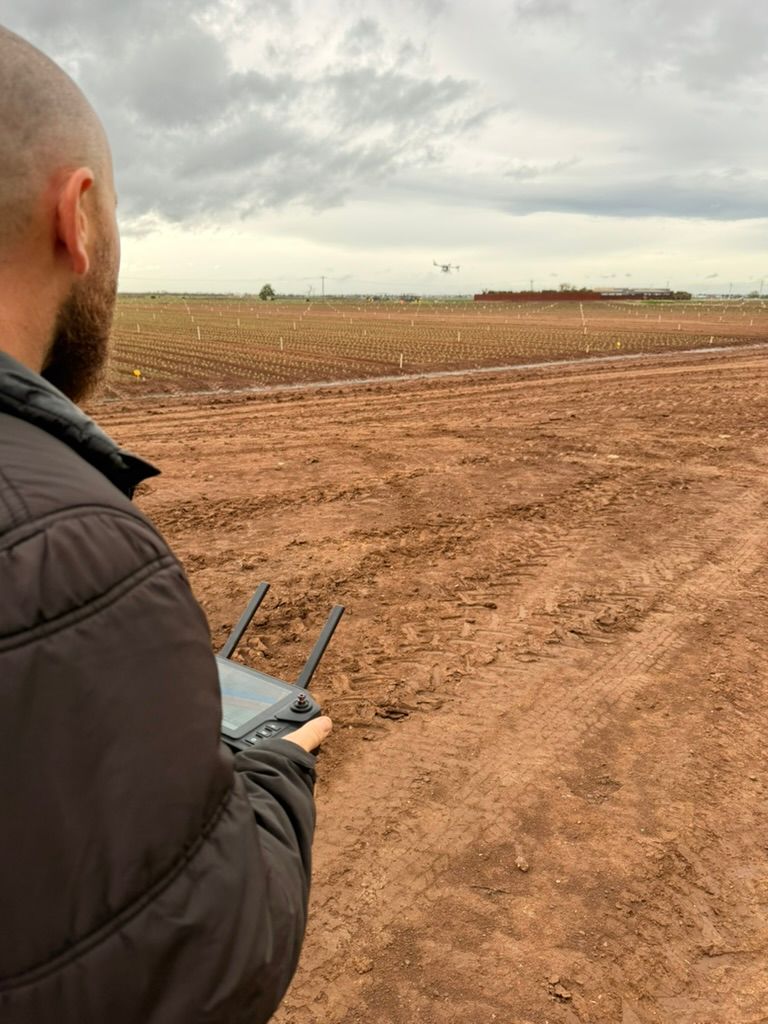
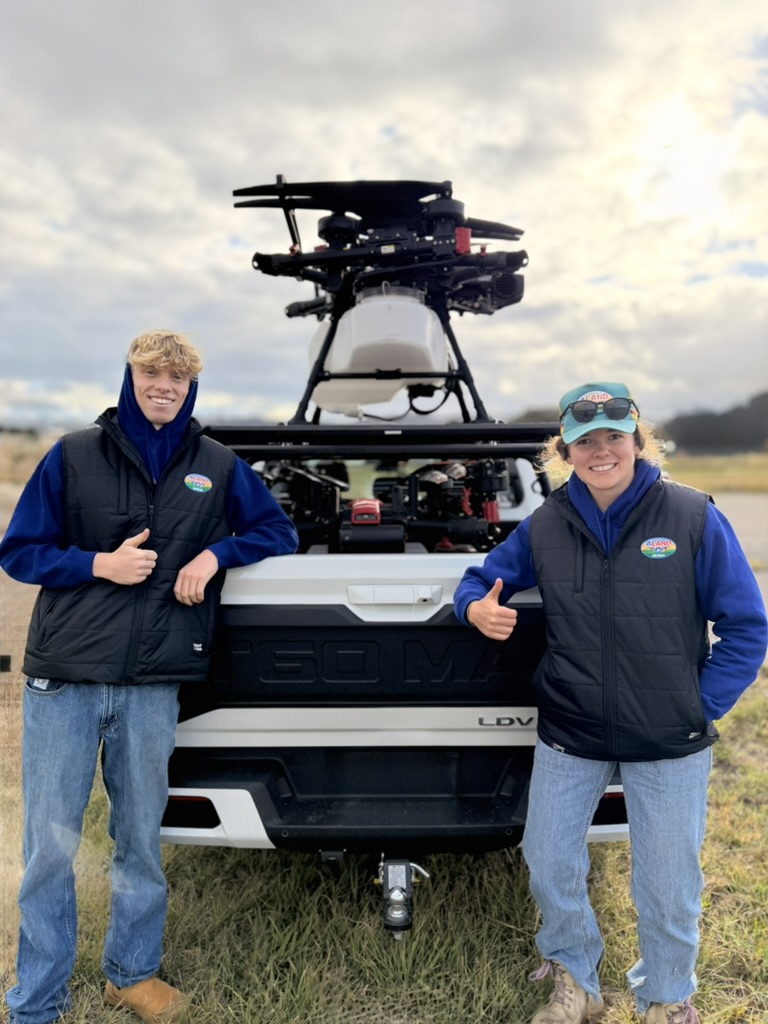
Agricultural teams may need pilots for crop monitoring, spreading, spraying or livestock checks. This work often requires additional aircraft-specific training and careful chemical or operational procedures.
Cinematography
Media work values smooth control, composition and reliable delivery. A showreel matters more than a long list of drone models.
Inspection
Roof, solar, tower and infrastructure inspections require careful positioning. You must understand hazards, exclusion zones and the limits of visual evidence.
Delivery and logistics
Drone delivery remains a specialised field. Roles may involve testing, route planning, field support and compliance work. Do not assume a RePL alone qualifies you for every delivery operation.
Common mistakes that delay a first job
- Applying for every role without choosing a sector
- Showing only recreational footage
- Claiming experience you do not have
- Ignoring written safety procedures
- Forgetting to log practice flights
- Offering unsafe or unrealistically cheap services
- Using stock images instead of your own work
- Failing to check weather and airspace
- Assuming a RePL permits every type of operation
- Asking employers to provide basic documentation
- Neglecting communication and reporting skills
The biggest mistake is treating the licence as the finished product. It is your entry credential. Your portfolio, judgement and reliability turn it into employment.
CASA considerations for paid drone work
CASA rules apply whether you are an employee, contractor or business owner. Before each job, confirm that the operation is legal and approved.
Check:
- Your RePL matches the aircraft and operation
- The employer or operator has the required ReOC
- The aircraft is registered where required
- The operation follows the organisation’s procedures
- Airspace and local restrictions have been reviewed
- People, property and privacy risks are managed
- Weather and visibility are suitable
- A risk assessment and site plan are complete
- Batteries, equipment and records are controlled
- Incidents are reported through the correct process
Read the latest CASA drone guidance before relying on older training notes. Rules and guidance can change.
A standard RePL is a strong foundation. Additional pathways may improve your options. These include night operations training, BVLOS training, agriculture and larger aircraft pathways.
Ace Aviation is a CASA-approved provider associated with ReOC 1421. Its Altitude+ program, practical training and wider industry relationships are designed to help students move from certification toward real work. You can compare current course pathways before choosing your next step.
Frequently asked questions
1. What is the fastest way to find drone pilot jobs in Australia?
Build a focused portfolio, contact ReOC holders and use DroneWork. Apply for support and assistant roles as well as lead pilot positions.
2. Do I need a RePL for my first paid drone job?
For most professional work, employers expect a RePL. Some limited operations may use other pathways, but a RePL gives you broader opportunities.
3. Can I work under another company’s ReOC?
Yes. Many pilots work as employees or contractors under an organisation’s ReOC and approved operating procedures.
4. Is a commercial drone licence Australia employers recognise the same as a RePL?
Usually, yes. “Commercial drone licence” is common language. The official CASA credential is the Remote Pilot Licence, or RePL.
5. How much do entry-level drone pilots earn?
A realistic full-time range is about $60,000–$70,000. Technical, remote or industry-specific roles may pay more.
6. Can drone pilots earn over $100,000?
Yes. Experienced pilots in mining, infrastructure, surveying and advanced inspections may earn $100,000 or more.
7. Which city has the most drone pilot work?
Sydney, Melbourne and Brisbane offer broad commercial markets. Perth can provide strong opportunities in resources and infrastructure.
8. Are there drone pilot jobs in Hobart?
Yes. Agriculture, tourism, environmental monitoring, property and infrastructure create opportunities. Local networks are especially important.
9. Do I need my own drone?
Not always. Many employers provide aircraft. Owning a suitable drone can help with portfolio work, but it also creates costs and maintenance duties.
10. How many portfolio projects should I show?
Five to eight strong, relevant examples are enough for a first application.
11. Should I include unpaid projects?
Yes, if they demonstrate useful skills and were completed safely with permission.
12. Is photography enough to get hired?
It can help in media and real estate. However, technical sectors also want planning, data handling, reporting and compliance skills.
13. What extra training improves employability?
AROC, night operations, BVLOS theory, mapping, GIS, thermal imaging and agriculture training can improve your options.
14. Can I start as a visual observer?
Often, yes. Support roles can help you gain operational experience while learning an employer’s procedures.
15. How do I find agriculture drone jobs?
Build agriculture-specific samples and learn the aircraft, software and safety procedures used by agricultural operators.
16. Are delivery drone jobs common?
They are still specialised. Look for testing, logistics, operations support and compliance roles as well as pilot positions.
17. Should I work freelance first?
Freelancing can build experience, but you must understand your legal, insurance and business responsibilities. Employment may be simpler initially.
18. Does Ace Aviation help graduates find work?
Ace graduates can access DroneWork, a platform connecting qualified pilots with commercial tasks and employers. Career support also continues through the broader Ace ecosystem.
Summary: turn your RePL into a career
The first step after your drone licence is not buying more equipment. It is proving that you are safe, useful and ready to work.
Choose a sector. Build a focused portfolio. Prepare a clear resume. Apply to ReOC holders. Use DroneWork and your professional network. Then keep developing the technical skills that employers value.
Ace Aviation combines CASA-approved training, practical experience, Altitude+ student benefits and access to a wider commercial ecosystem. More than 4,000 students have trained with Ace across Australia and international locations.
Ready to start? Book your training at aaa.edu.au or call 1300 336 366.
{“@graph”:[{“@id”:”https://aaa.edu.au/#organization”,”url”:”https://aaa.edu.au/”,”name”:”Ace Aviation Aerospace Academy”,”@type”:”Organization”,”sameAs”:[“https://aaa.edu.au/reviews”,”https://aaa.edu.au/jobs”],”telephone”:”+61-1300-336-366″,”description”:”CASA-approved professional drone pilot training and certification provider.”},{“@id”:”https://aaa.edu.au/#drone-pilot-jobs-australia-article”,”@type”:”Article”,”author”:{“name”:”Ace Aviation Aerospace Academy”,”@type”:”Organization”},”headline”:”Drone Licence Australia: The Step-by-Step Guide to Landing Your First Drone Pilot Job”,”keywords”:[“drone licence Australia”,”drone pilot jobs Australia”,”commercial drone licence Australia”,”how to become a drone pilot Australia”],”publisher”:{“@id”:”https://aaa.edu.au/#organization”},”inLanguage”:”en-AU”,”description”:”A practical guide for newly licensed drone pilots seeking their first paid drone pilot job in Australia.”,”articleSection”:[“Drone careers”,”Drone pilot jobs”,”CASA compliance”,”Career guidance”],”mainEntityOfPage”:”https://aaa.edu.au/”},{“@id”:”https://aaa.edu.au/#drone-pilot-jobs-faq”,”@type”:”FAQPage”,”mainEntity”:[{“name”:”What is the fastest way to find drone pilot jobs in Australia?”,”@type”:”Question”,”acceptedAnswer”:{“text”:”Build a focused portfolio, contact ReOC holders and use DroneWork. Apply for support and assistant roles as well as lead pilot positions.”,”@type”:”Answer”}},{“name”:”Do I need a RePL for my first paid drone job?”,”@type”:”Question”,”acceptedAnswer”:{“text”:”For most professional work, employers expect a RePL. Some limited operations may use other pathways, but a RePL gives you broader opportunities.”,”@type”:”Answer”}},{“name”:”Can I work under another company’s ReOC?”,”@type”:”Question”,”acceptedAnswer”:{“text”:”Yes. Many pilots work as employees or contractors under an organisation’s ReOC and approved operating procedures.”,”@type”:”Answer”}},{“name”:”How much do entry-level drone pilots earn?”,”@type”:”Question”,”acceptedAnswer”:{“text”:”A realistic full-time range is about $60,000–$70,000. Technical, remote or industry-specific roles may pay more.”,”@type”:”Answer”}},{“name”:”Can drone pilots earn over $100,000?”,”@type”:”Question”,”acceptedAnswer”:{“text”:”Yes. Experienced pilots in mining, infrastructure, surveying and advanced inspections may earn $100,000 or more.”,”@type”:”Answer”}},{“name”:”Which city has the most drone pilot work?”,”@type”:”Question”,”acceptedAnswer”:{“text”:”Sydney, Melbourne and Brisbane offer broad commercial markets. Perth can provide strong opportunities in resources and infrastructure.”,”@type”:”Answer”}},{“name”:”Are there drone pilot jobs in Hobart?”,”@type”:”Question”,”acceptedAnswer”:{“text”:”Yes. Agriculture, tourism, environmental monitoring, property and infrastructure create opportunities.”,”@type”:”Answer”}},{“name”:”Do I need my own drone?”,”@type”:”Question”,”acceptedAnswer”:{“text”:”Not always. Many employers provide aircraft. Owning a suitable drone can help with portfolio work, but it also creates costs and maintenance duties.”,”@type”:”Answer”}},{“name”:”How many portfolio projects should I show?”,”@type”:”Question”,”acceptedAnswer”:{“text”:”Five to eight strong, relevant examples are enough for a first application.”,”@type”:”Answer”}},{“name”:”What extra training improves employability?”,”@type”:”Question”,”acceptedAnswer”:{“text”:”AROC, night operations, BVLOS theory, mapping, GIS, thermal imaging and agriculture training can improve your options.”,”@type”:”Answer”}},{“name”:”Can I start as a visual observer?”,”@type”:”Question”,”acceptedAnswer”:{“text”:”Often, yes. Support roles can help you gain operational experience while learning an employer’s procedures.”,”@type”:”Answer”}},{“name”:”How do I find agriculture drone jobs?”,”@type”:”Question”,”acceptedAnswer”:{“text”:”Build agriculture-specific samples and learn the aircraft, software and safety procedures used by agricultural operators.”,”@type”:”Answer”}},{“name”:”Are delivery drone jobs common?”,”@type”:”Question”,”acceptedAnswer”:{“text”:”They are still specialised. Look for testing, logistics, operations support and compliance roles as well as pilot positions.”,”@type”:”Answer”}},{“name”:”Should I work freelance first?”,”@type”:”Question”,”acceptedAnswer”:{“text”:”Freelancing can build experience, but you must understand your legal, insurance and business responsibilities. Employment may be simpler initially.”,”@type”:”Answer”}},{“name”:”Does Ace Aviation help graduates find work?”,”@type”:”Question”,”acceptedAnswer”:{“text”:”Ace graduates can access DroneWork, a platform connecting qualified pilots with commercial tasks and employers.”,”@type”:”Answer”}}]}],”@context”:”https://schema.org”}