Short Direct Answer
A drone licence Australia qualification can help you compete for paid work, but it does not guarantee a job. Ace Aviation graduates build practical skills, choose an industry pathway and pursue suitable work through employers, contracts or DroneWork.
Meta description: See how a drone licence Australia can lead to paid work. Explore graduate pathways and book your RePL training with Ace Aviation today.
From licence to livelihood: what the pathway really involves
A Remote Pilot Licence (RePL) is an important first step towards professional drone work. However, employers and clients also look for sound judgement, reliable work habits and skills that fit their industry.
That is why graduates may use their training in very different ways. One might support a survey team, while another captures construction progress or inspects solar panels. In each case, the pilot must understand the task, the operating limits and the client’s needs.
Ace Aviation has trained more than 4,000 students. The academy operates under CASA.ReOC.1421 and trains across Australia, Singapore, Dubai, Korea and Malaysia. Its pathway combines flexible online theory with practical training scheduled around work and family commitments.
Graduates can also explore the DroneWork job board for commercial tasks and employer connections. It is a useful starting point, not a promise of work. Some pilots also use the Altitude+ student benefits program as they develop their training pathway.
For a closer look at the academy’s approach, visit Why Ace Aviation. You can also explore current RePL course options and read graduate reviews.

Key facts about a commercial drone licence Australia pathway
| Topic | What a new pilot should know |
|---|---|
| RePL | A CASA-issued remote pilot qualification for the relevant aircraft category or type. |
| ReOC | An operator certificate for a business conducting drone services. A pilot may work under an employer’s ReOC. |
| First paid work | Timing varies. A first assignment may take weeks or months, depending on skills, location and contacts. |
| Useful add-ons | AROC, industry-specific training, mapping or inspection skills may fit particular roles. |
| Job support | DroneWork can help graduates find leads, but candidates still need to apply and meet job requirements. |
The RePL alone does not give a pilot permission to perform every kind of paid flight. The operator, aircraft, airspace and task all matter. Therefore, candidates should check the rules that apply to each job.
For official requirements, read the CASA RePL guidance. If you are unsure which training fits, Ace’s Licence Finder can help you compare pathways.
Step-by-step: how to become a drone pilot Australia employers can consider
- Choose a target industry. Think about construction, resources, agriculture, utilities, property or media. Then identify the tasks employers need done.
- Select a suitable course. Compare aircraft categories and any relevant radio or specialist training. Ace offers Silver Pilot and Gold Pilot options.
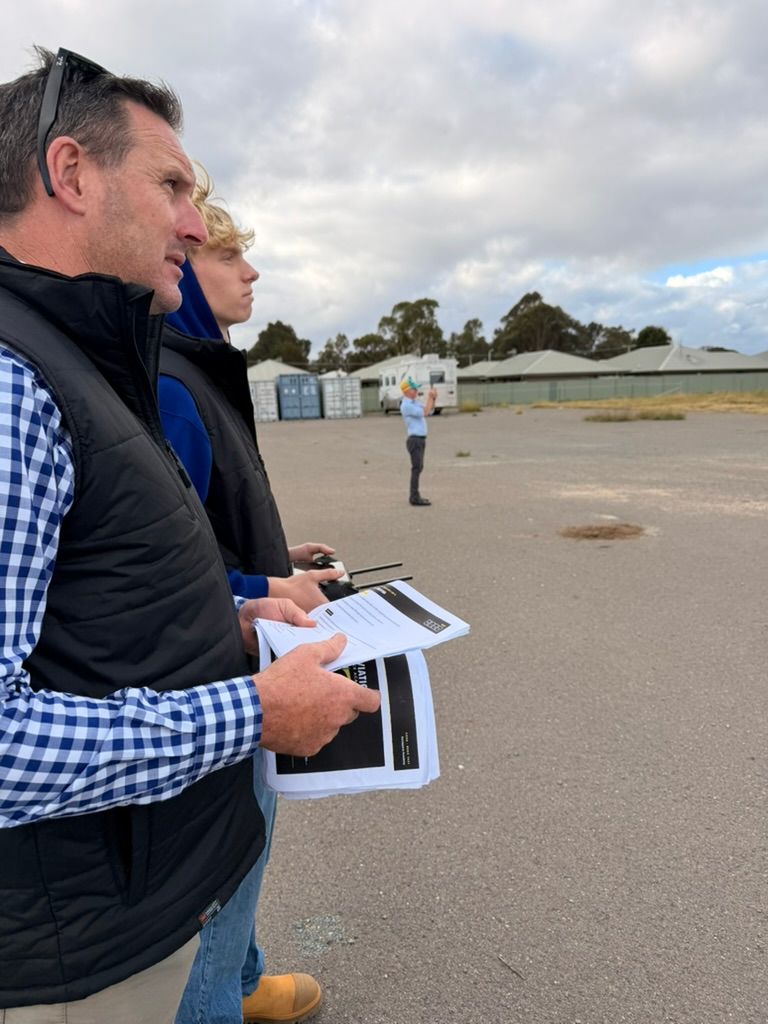
- Complete theory and practical training. Flexible online study can fit around work or family. Then attend the scheduled practical training and assessment.
- Build job-ready evidence. Practise safe planning and record keeping. Create a small portfolio where permitted, and describe your role accurately.
- Apply for suitable opportunities. Search DroneWork and approach employers. Some candidates start as an assistant or join a team under an existing ReOC.
- Plan before working independently. Check whether your intended work needs a ReOC, suitable insurance, aircraft registration, operating procedures or additional approvals.
A pilot hoping to work solo should not treat insurance as an afterthought. Discuss cover with a broker who understands aviation and confirm what the policy covers. Also, understand that a ReOC and insurance address different needs: one concerns operating authority, while the other concerns financial risk.

Illustrative graduate pathways: five cities, different kinds of work
The examples below are illustrative composite scenarios, not named or verified testimonials. They show plausible ways graduates may apply their skills. Actual outcomes depend on the person, employer, market and approvals.
- Brisbane, crop mapping support: A graduate with an agriculture background learns to plan mapping flights and organise collected images. They approach local operators and begin by supporting crop-monitoring work. A drone course in Brisbane can provide the training foundation; industry knowledge and supervised experience can help build the next step.
- Sydney, insurance surveys: A pilot with strong communication skills supports property assessments after storm damage. They capture imagery under the operator’s work process, then submit files for review. A drone course in Sydney may suit someone seeking local practical training.
- Melbourne, construction and solar inspections: A graduate joins a contractor’s team to capture progress images or inspect solar panels. The role may require careful site coordination, client reporting and relevant safety induction. See drone course options in Melbourne.
- Perth, mining and utilities support: A new pilot may start by assisting an experienced survey or inspection team. They follow site rules, capture planned data and leave technical interpretation to qualified staff. Explore the drone pilot course in Perth.
- Hobart, council or property projects: A graduate may support approved land, asset or real-estate imagery tasks. Local demand can be smaller than in larger cities, so flexible skills and networking matter. See drone training in Hobart.
Other possible niches include façade cleaning, agriculture spraying, cinematography and real-estate imagery. Each requires suitable training, equipment and operating permissions. For example, spraying work may involve aircraft-specific skills and additional workplace controls.
What the first six months can look like
Most graduates follow a similar pattern. They finish training, tidy up their records, then look for a way in. The table below shows how that pattern often plays out across Australia.
| Stage | What the graduate does | Typical outcome |
|---|---|---|
| Weeks 1-4 | Refresh the training portfolio, set up a professional profile, list target industries | Clear direction and a shortlist of employers |
| Weeks 4-8 | Apply for assistant and support roles, attend industry events, respond to DroneWork listings | First interviews and trial flights |
| Weeks 8-16 | Take on supervised field work, learn client reporting, build site experience | First paid assignments or a casual contract |
| Weeks 16-26 | Specialise in one task type, add equipment or training, review insurance needs | Repeat clients and steadier bookings |
Timelines differ by city, industry and market conditions. A pilot in a busy resources region may get started faster than someone in a smaller market. Either way, consistent effort matters more than luck.
The skills that turn a licence into paid work
Technical flying is only part of the job. Clients pay for outcomes, not for flight hours.
- Planning and permissions. Good pilots check airspace, site rules and weather before they travel. They also confirm who holds the operational authority for the job.
- Data handling. Many tasks end with images, maps or reports. Knowing how to label, store and hand over files makes a pilot easier to rebook.
- Client communication. Clear quotes, honest timelines and plain-English summaries build trust quickly.
- Safety discipline. Site inductions, risk assessments and maintenance logs show clients you take their exposure seriously.
- Commercial awareness. Understanding pricing, travel time and equipment costs keeps small jobs profitable.
Corporate teams: the other side of the story
Not every success story is a solo pilot. Many organisations train staff in-house so they can inspect assets on their own schedule. Mining operations, utilities, councils and construction firms often start with a small cohort and grow from there.
A typical corporate pathway begins with a skills audit. The team then maps roles to the right qualification, which may include an AROC for radio work in controlled airspace. Staff complete theory online around shift rosters, then attend practical training as a group.
Once the team is qualified, the organisation can plan recurring inspection work. That might cover roof condition, solar arrays, stockpiles, powerlines or building progress. The value comes from consistent data captured the same way every month.
Corporate clients also gain from the Altitude+ program, which supports students beyond the classroom. Meanwhile, Platinum Pilot and BVLOS training suit teams that need advanced capability later.
How long can it take to find the first paid assignment?
There is no standard timeline. A focused graduate with relevant experience and useful contacts might find an initial opportunity within weeks. Others may spend months building a portfolio, applying for roles or adding specialist skills.
A sensible plan is to complete training, begin targeted applications and keep developing practical experience. Treat the first job as a learning step, not proof of a steady income. Repeat contracts often depend on quality, reliability and client demand.
Common mistakes new drone pilots can avoid
- Assuming the licence guarantees income. A RePL supports eligibility, but employers also assess experience, communication and industry fit.
- Buying expensive equipment too early. First confirm what aircraft and capabilities the target work requires.
- Confusing a RePL with a ReOC. The pilot qualification and operator certificate serve different purposes.
- Taking a job outside your authority or experience. Confirm the operator, approvals, site rules and task scope before accepting.
- Ignoring business costs. Independent work can involve insurance, maintenance, software, travel, records and client acquisition.
- Overstating what you did. Describe your role honestly, especially when working under another pilot or operator.
- Treating DroneWork as guaranteed placement. Use the platform alongside direct applications and industry networking.
CASA considerations before accepting a job
CASA rules depend on the type of operation, aircraft, location and operator. A RePL is not blanket permission to fly in restricted airspace, near people or beyond standard operating limits. Likewise, a ReOC does not automatically authorise every operation. The operator must hold the relevant approvals and follow its procedures.
Before any job, confirm who holds operational responsibility and whether your qualification matches the aircraft and task. Check registration, airspace, site permissions, privacy expectations, insurance and workplace requirements. For advanced work, such as BVLOS, obtain the required approvals before flying; BVLOS training information does not itself grant authority to conduct those operations.
Regulatory details can change. Verify current requirements directly with CASA, and ask your operator or training provider when a rule is unclear.
FAQ: drone pilot jobs Australia and training
1. Does a drone licence guarantee a paid job?
No. It provides a qualification, but paid work depends on demand, skills, experience, applications and the operator’s requirements.
2. What does RePL mean?
RePL means Remote Pilot Licence. It is the CASA qualification for remote pilots in the relevant aircraft category or type.
3. Do I need a ReOC to take paid work?
Not always. You may work for an operator that holds a ReOC. Independent service businesses generally need to consider their own operating authority.
4. How soon can graduates find their first paid assignment?
It varies. Some may find an opportunity within weeks; others need months to build contacts, experience or specialist skills.
5. What is the most realistic first role?
A support role with an established operator can be a practical start. It offers a chance to learn workflows before running projects independently.
6. Can I study while working or caring for family?
Ace combines flexible online theory with scheduled practical training. Check course dates and delivery details before enrolling.
7. What is DroneWork?
DroneWork is a job board and connection platform for qualified pilots seeking commercial tasks and employers. Access does not guarantee selection.
8. What is Altitude+?
Altitude+ is Ace Aviation’s student benefits program. Ask the academy which benefits apply to your course and current student status.
9. What industries hire drone pilots?
Potential sectors include construction, mining, agriculture, utilities, inspection, real estate, insurance and media. Local demand varies.
10. Do I need a degree to become a drone pilot?
Not for every role. However, fields such as surveying, GIS, agriculture or cinematography may value related skills or qualifications.
11. Is an AROC useful?
An AROC is relevant to radio operations in aviation. Whether you need it depends on the work and airspace involved.
12. Can a graduate start a drone business immediately?
They should first check the ReOC pathway, insurance, equipment, records and operating procedures. A licence alone is not a complete business setup.
13. Should I buy a drone before training?
Not necessarily. First identify the target work and ask what aircraft category or type it requires.
14. What can a new pilot do for an insurance survey?
A pilot may capture imagery under an operator’s process. The insurer or qualified assessor determines how that evidence is used.
15. Can drone pilots work on mine sites?
Some do, but site induction, operator procedures, task competency and required permissions apply. Entry may begin in a support role.
16. Is drone spraying the same as basic RePL work?
No. Agricultural spraying can need aircraft-specific training and additional operating controls. Check the requirements for the intended system.
17. Where can I train in Brisbane, Sydney, Melbourne, Perth or Hobart?
Ace lists local training details for Brisbane, Sydney, Melbourne, Perth and Hobart.
18. Where can I check current drone rules?
Check CASA’s current guidance and confirm requirements with the operator responsible for the flight. Rules can depend on the specific operation.
Summary: build a pathway, not just a licence
A commercial drone licence Australia pathway can lead to work in several industries, but success takes more than passing an assessment. Graduates improve their prospects by choosing a niche, building relevant skills, following CASA requirements and applying consistently.
Ace Aviation combines practical training, flexible theory, Altitude+ benefits and access to DroneWork. Its 4,000+ students and global training footprint reflect a broad aviation education network. Still, individual results vary, and no course can promise a particular job or income.
Disclaimer: Regulatory details can change. Verify current requirements with CASA and the operator responsible for each flight. Graduate outcomes vary by experience, location, demand and compliance requirements.
Ready to start? Book your training at aaa.edu.au or call 1300 336 366. Book your training
{“@graph”:[{“@id”:”https://aaa.edu.au/#organization”,”url”:”https://aaa.edu.au/”,”name”:”Ace Aviation Aerospace Academy”,”@type”:”Organization”,”description”:”Aviation training provider offering professional drone pilot training and certification.”},{“@type”:”Article”,”author”:{“name”:”Ace Aviation Aerospace Academy”,”@type”:”Organization”},”headline”:”Drone Licence Australia 2026: Student Success Stories — How Ace Aviation Graduates Turn Their Drone Licence Into Paid Work in Brisbane, Sydney, Melbourne and Perth”,”keywords”:[“drone licence australia”,”commercial drone licence australia”,”drone pilot jobs australia”,”how to become a drone pilot australia”],”publisher”:{“@id”:”https://aaa.edu.au/#organization”},”inLanguage”:”en-AU”,”description”:”Illustrative graduate pathways showing how drone training may lead to paid work across Australia.”,”mainEntityOfPage”:”https://aaa.edu.au/”},{“@type”:”FAQPage”,”mainEntity”:[{“name”:”Does a drone licence guarantee a paid job?”,”@type”:”Question”,”acceptedAnswer”:{“text”:”No. It provides a qualification, but paid work depends on demand, skills, experience, applications and the operator’s requirements.”,”@type”:”Answer”}},{“name”:”What does RePL mean?”,”@type”:”Question”,”acceptedAnswer”:{“text”:”RePL means Remote Pilot Licence. It is the CASA qualification for remote pilots in the relevant aircraft category or type.”,”@type”:”Answer”}},{“name”:”Do I need a ReOC to take paid work?”,”@type”:”Question”,”acceptedAnswer”:{“text”:”Not always. You may work for an operator that holds a ReOC. Independent service businesses generally need to consider their own operating authority.”,”@type”:”Answer”}},{“name”:”How soon can graduates find their first paid assignment?”,”@type”:”Question”,”acceptedAnswer”:{“text”:”It varies. Some may find an opportunity within weeks; others need months to build contacts, experience or specialist skills.”,”@type”:”Answer”}},{“name”:”What is the most realistic first role?”,”@type”:”Question”,”acceptedAnswer”:{“text”:”A support role with an established operator can be a practical start. It offers a chance to learn workflows before running projects independently.”,”@type”:”Answer”}},{“name”:”Can I study while working or caring for family?”,”@type”:”Question”,”acceptedAnswer”:{“text”:”Ace combines flexible online theory with scheduled practical training. Check course dates and delivery details before enrolling.”,”@type”:”Answer”}},{“name”:”What is DroneWork?”,”@type”:”Question”,”acceptedAnswer”:{“text”:”DroneWork is a job board and connection platform for qualified pilots seeking commercial tasks and employers. Access does not guarantee selection.”,”@type”:”Answer”}},{“name”:”What is Altitude+?”,”@type”:”Question”,”acceptedAnswer”:{“text”:”Altitude+ is Ace Aviation’s student benefits program. Ask the academy which benefits apply to your course and current student status.”,”@type”:”Answer”}},{“name”:”What industries hire drone pilots?”,”@type”:”Question”,”acceptedAnswer”:{“text”:”Potential sectors include construction, mining, agriculture, utilities, inspection, real estate, insurance and media. Local demand varies.”,”@type”:”Answer”}},{“name”:”Do I need a degree to become a drone pilot?”,”@type”:”Question”,”acceptedAnswer”:{“text”:”Not for every role. However, fields such as surveying, GIS, agriculture or cinematography may value related skills or qualifications.”,”@type”:”Answer”}},{“name”:”Is an AROC useful?”,”@type”:”Question”,”acceptedAnswer”:{“text”:”An AROC is relevant to radio operations in aviation. Whether you need it depends on the work and airspace involved.”,”@type”:”Answer”}},{“name”:”Can a graduate start a drone business immediately?”,”@type”:”Question”,”acceptedAnswer”:{“text”:”They should first check the ReOC pathway, insurance, equipment, records and operating procedures. A licence alone is not a complete business setup.”,”@type”:”Answer”}},{“name”:”Should I buy a drone before training?”,”@type”:”Question”,”acceptedAnswer”:{“text”:”Not necessarily. First identify the target work and ask what aircraft category or type it requires.”,”@type”:”Answer”}},{“name”:”What can a new pilot do for an insurance survey?”,”@type”:”Question”,”acceptedAnswer”:{“text”:”A pilot may capture imagery under an operator’s process. The insurer or qualified assessor determines how that evidence is used.”,”@type”:”Answer”}},{“name”:”Can drone pilots work on mine sites?”,”@type”:”Question”,”acceptedAnswer”:{“text”:”Some do, but site induction, operator procedures, task competency and required permissions apply. Entry may begin in a support role.”,”@type”:”Answer”}},{“name”:”Is drone spraying the same as basic RePL work?”,”@type”:”Question”,”acceptedAnswer”:{“text”:”No. Agricultural spraying can need aircraft-specific training and additional operating controls. Check the requirements for the intended system.”,”@type”:”Answer”}},{“name”:”Where can I train in Brisbane, Sydney, Melbourne, Perth or Hobart?”,”@type”:”Question”,”acceptedAnswer”:{“text”:”Ace lists local training details on its location pages for Brisbane, Sydney, Melbourne, Perth and Hobart.”,”@type”:”Answer”}},{“name”:”Where can I check current drone rules?”,”@type”:”Question”,”acceptedAnswer”:{“text”:”Check CASA’s current guidance and confirm requirements with the operator responsible for the flight. Rules can depend on the specific operation.”,”@type”:”Answer”}}]}],”@context”:”https://schema.org”}