Meta description: Drone licence Australia: learn CASA rules, training and equipment for commercial night flights. Explore your pathway and book training today.
Short Direct Answer
Yes, commercial drone flights at night are possible in Australia, but not under ordinary recreational or standard operating conditions. Night work generally requires a ReOC operator, a RePL pilot with night-specific training, and compliance with CASA’s night-flying conditions. Night approval does not permit BVLOS flight.
Drone licence Australia: what changes after dark?
A drone licence Australia holders use for daytime work does not automatically allow night operations. Flying after dark brings extra training, equipment, procedures and operator responsibilities.
CASA’s rules apply under Part 101 of the Civil Aviation Safety Regulations. For commercial night work, the operator usually needs a Remotely Piloted Aircraft Operator’s Certificate (ReOC), and the remote pilot must hold a relevant Remote Pilot Licence (RePL). The operator must also meet the applicable night-flight approval conditions.
First, it helps to define “night.” For CASA operations, night begins at the end of evening civil twilight and ends at the start of morning civil twilight. So it does not always match the time the sun appears to set or rise.
The title’s “NVLOS” wording can also cause confusion. CASA uses terms such as visual line of sight (VLOS), extended visual line of sight (EVLOS) and beyond visual line of sight (BVLOS). Night flying does not mean flying without visual contact. Unless separately authorised, the pilot must keep the drone within VLOS.

Why standard daylight rules are not enough
Most routine drone operations take place in daylight and must meet standard operating limits. Those ordinary conditions do not give a pilot automatic permission to fly at night.
Darkness makes it harder to judge distance, direction, obstacles and the aircraft’s position. In addition, other aircraft may be harder to see. CASA therefore requires night-specific controls, including suitable lighting, trained pilots and documented risk management.
A RePL is an important foundation for professional work. However, holding a RePL by itself does not grant night privileges. The operator must also hold the correct authority and follow the night procedures that apply to its operation.
That distinction matters for people searching for a commercial drone licence Australia can use after dark. The licence, operator certificate, night training and operating approval work together. One item does not replace the others.
For a solid foundation, explore Ace Aviation’s RePL course options. Training is available through city programs including Melbourne, Brisbane, Sydney, Perth and Hobart.
Key facts about Australian night drone operations
| Topic | What operators need to know |
|---|---|
| When night begins | From the end of evening civil twilight until the beginning of morning civil twilight |
| Standard visual rule | Maintain VLOS unless CASA has separately authorised another operating method |
| Operator pathway | Commercial night operations generally require a ReOC holder and an appropriately licensed RePL pilot |
| Pilot preparation | Night-specific knowledge, practical ability, training and assessment are required |
| Aircraft lighting | Serviceable orientation lighting is required under CASA’s night approval conditions |
| Ground lighting | Launch, landing and recovery areas must be illuminated enough to establish and maintain the aircraft’s position visually |
| Risk planning | The operator must complete the required documented night risk assessment and use its procedures |
| BVLOS | Night approval alone does not authorise BVLOS |
| Recreational flying | Ordinary recreational privileges do not provide permission for night operations |
Requirements can depend on the aircraft, the operator’s procedures and the approval pathway. Therefore, check the current CASA guidance and the conditions that apply to your ReOC before planning a mission.
How a ReOC holder applies for night operational approval
A ReOC holder should begin by checking its existing operations manual and documented practices and procedures (DPP). These records describe how the operator manages safe flights, including pilot duties, equipment checks and emergency responses.
For many small-drone night operations, CASA provides a standing approval pathway through CASA 01/17. Where the operator includes the prescribed night procedures from CASA’s sample RPA Operations Manual, along with a copy of CASA 01/17, a separate case-by-case night application is generally not required.
However, this is not a blanket permission. The operator must meet the instrument’s conditions and follow its documented procedures. If the operator wants to use materially different procedures, it may need to use the applicable DPP significant-change process. Operations outside the standing approval, or operations involving a large RPA, may require an alternative application to CASA.
A practical sequence looks like this:
- Confirm the operator pathway. Make sure the operation sits within the ReOC holder’s scope and the aircraft category covered by its authority.
- Check pilot qualifications. Assign a RePL holder who has completed the required night training and assessment and is authorised by the operator.
- Update operating documents. Include the relevant night procedures in the operator’s DPP and keep records of training, checks and authorisations.
- Equip and inspect the aircraft. Confirm that required lights, navigation or position aids, and relevant safety systems work as intended.
- Assess each mission. Complete the required risk assessment before the operation. Consider weather, visibility, hazards, people, landing zones and emergency plans.
- Check whether the operation fits the approval. If the aircraft or procedure falls outside the standing approval conditions, seek CASA’s direction and any further authority before flying.
For current conditions and application guidance, consult CASA’s night operations guidance. The guidance and relevant instruments can change, so operators should not rely on old forms or informal summaries.
Training and equipment for flying after dark
Night-specific training helps a pilot manage the limits of human vision and interpret lighting cues. It should cover aircraft orientation, night-specific hazards, pre-flight planning, emergency actions and the operator’s procedures.
Training must also be recorded. A company should be able to show which pilots completed the required instruction and assessment, when it occurred and what authority each pilot holds within the organisation.
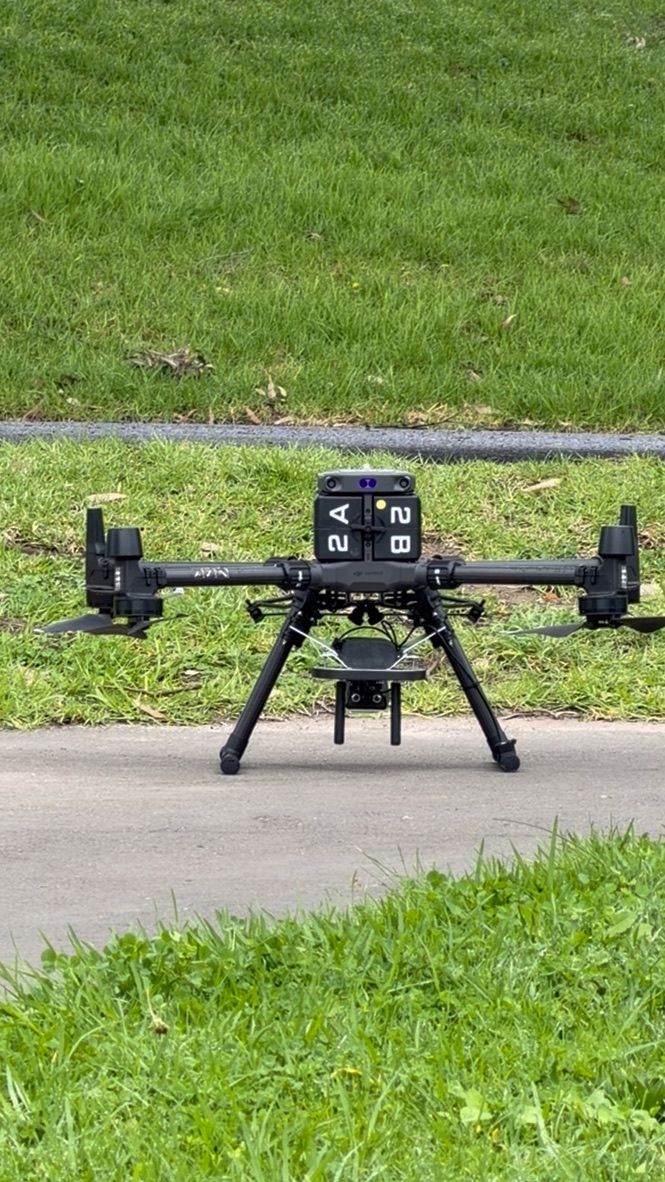
The aircraft and operating area need suitable lighting. Under CASA 01/17 conditions, the aircraft must display serviceable orientation lighting in flight. For a multirotor, this could include lights on the front and rear arms that help the pilot identify its direction.
In addition, the launch, landing and recovery areas must have enough illumination for the pilot to establish and maintain the aircraft’s position by visual reference. Portable lights or suitable airfield lighting may help. The exact setup should match the operation and the applicable procedures.
CASA’s conditions also address aircraft systems and ground-station use. For example, CASA 01/17 includes requirements for serviceable GPS hold and return-to-home capability, a GPS lock with at least seven satellites, and use of ground-station software to help assess the aircraft’s position. Operators must check the full current instrument and apply every relevant condition.
There is no one lighting setup that suits every drone, site or mission. Therefore, do not assume that adding a single strobe is enough. Check aircraft compatibility, the operator’s procedures and CASA’s current conditions before flight.

Pre-flight checks to include
Before a night flight, the pilot and operator should confirm:
- The mission falls within the ReOC holder’s scope and applicable approval.
- The pilot has completed the required night training and has current operator authorisation.
- The aircraft’s orientation lights and required systems work correctly.
- GPS hold, return-to-home and GPS lock meet the applicable requirements.
- Ground-station software is available and used as required.
- Launch, landing and recovery areas are illuminated suitably.
- The pilot can maintain VLOS and identify the aircraft’s direction.
- The risk assessment covers weather, visibility, obstacles, people and emergency actions.
- Weather and local conditions meet the limits in the approval and operating procedures.
If a condition is not met, delay or cancel the operation. A commercial deadline does not remove the operator’s safety duties.
Night work is not BVLOS
VLOS means the remote pilot can keep the aircraft in unaided visual contact and determine its position and direction. Screens and map displays can support awareness, but they do not replace direct visual observation.
Night flights still require VLOS unless CASA has separately authorised another method. A night approval is not EVLOS or BVLOS approval. Likewise, a BVLOS approval does not automatically cover night operations; each approval’s conditions must be checked.
Operators planning work beyond direct visual contact should review the separate BVLOS pathway and the ReOC pathway explained in this guide. These are distinct operational pathways, even when a project may need more than one authority.
Examples: where night approvals can create value
Night capability can help a business respond to work that happens outside ordinary daylight hours. It does not guarantee a contract, but it can broaden the services an appropriately authorised operator may offer.
- Security: An operator may support approved site monitoring or perimeter inspections, subject to privacy, site access and operational limits.
- Emergency services: Night capability may support authorised search, incident assessment or emergency response tasks. Coordination with the relevant agency remains essential.
- Inspections: Some asset owners need inspections during shutdowns, low-traffic periods or after an incident. A trained team may be able to schedule work at night where the site and approval permit it.
- Media: Film, event or production work may require a night scene. The operator still needs suitable permissions, safe separation and compliance with the approval conditions.
- Infrastructure and utilities: Night inspection can reduce disruption in some settings. Operators must still assess airspace, lighting, hazards and people on site.
The work environment also differs by location. A mission in Brisbane may face different airspace and urban hazards from a regional inspection near Hobart. Sydney, Melbourne and Perth operators should assess local airspace, built-up areas, people and site lighting for every job.

Common mistakes to avoid
Assuming a RePL includes night privileges. A RePL is not, on its own, permission to conduct commercial night operations. The operator and pilot must meet the separate requirements.
Treating night as a simple time on the clock. CASA defines night using civil twilight. Check the applicable times for the location and date.
Calling a night flight BVLOS. Darkness does not change the VLOS rule. Keep direct visual contact unless separately authorised to use another method.
Relying only on a camera feed. A live video view may help, but it does not replace the pilot’s required visual reference to the aircraft.
Adding a light without updating procedures. Equipment changes should be assessed, documented and tested. The aircraft must meet all applicable lighting and system conditions.
Assuming every ReOC holder can fly at night. The operator must include and follow the relevant night procedures and meet the approval conditions. Check the organisation’s actual scope.
Skipping the site-specific risk assessment. A previous flight plan may not address today’s weather, obstacles, lighting or people. Assess each mission.
CASA considerations for night pilots
CASA’s Part 101 framework sets the wider rules for remotely piloted aircraft. Within that framework, a ReOC holder is responsible for its operation, while each remote pilot must follow the operator’s procedures and applicable conditions.
CASA 01/17 is a standing approval with specific requirements. It does not remove the need to understand the instrument, keep records or assess risk. Conditions can cover lighting, aircraft systems, weather, visibility and operating practices. For example, the instrument restricts outdoor operations in rain and when thunderstorms are observed or reported within five kilometres. Operators should check the full current instrument, not rely on this short summary.
The ReOC holder should keep training records, pilot authorisations, risk assessments and relevant aircraft checks. It should also review its DPP when equipment, personnel, mission types or procedures change.
Ace Aviation’s CASA approval is CASA.ReOC.1421. The academy has trained over 4,000 students and supports learners across Australia, Singapore, Dubai, Korea and Malaysia. Students can also access the Altitude+ benefits program, while the DroneWork job platform connects qualified pilots with work opportunities.
For those considering a professional pathway, Ace offers RePL training across several Australian cities. You can review the Melbourne course, Brisbane course, Sydney course, Perth course or Hobart course. Training is a starting point; CASA and the operator determine what the pilot may do on a specific job.
Frequently asked questions
1. Can you fly a drone at night in Australia?
Yes, in some circumstances. Commercial night operations generally require a ReOC operator, a RePL pilot with night-specific training and compliance with CASA’s applicable approval conditions.
2. Can recreational pilots fly drones at night?
Ordinary recreational privileges do not permit night operations. Do not fly after dark unless you have the relevant authority and meet its conditions.
3. Does a RePL let me fly at night?
No. A RePL is a key pilot qualification, but it does not automatically grant night privileges. Night-specific training and operator authorisation are also required.
4. What does NVLOS mean for night drone flying?
The term can be unclear. CASA’s common operational terms include VLOS, EVLOS and BVLOS. Night flight does not remove the VLOS requirement.
5. Does night approval mean I can fly BVLOS?
No. Night approval and BVLOS authority are separate. You need the appropriate additional CASA authority before flying beyond visual line of sight.
6. What time does CASA define as night?
Night runs from the end of evening civil twilight until the beginning of morning civil twilight. Check the relevant times for the location and date.
7. Do I need a ReOC for commercial night work?
Commercial night operations generally require a ReOC and a pilot with the appropriate RePL. The operator must also meet the applicable night approval conditions.
8. Do ReOC holders always need a separate night application?
Not always. Many small-RPA operations may use CASA 01/17 and the prescribed sample procedures in the operator’s DPP. Other procedures, aircraft or operations may need further CASA approval.
9. What lights does a drone need at night?
CASA’s night conditions include serviceable orientation lighting on the RPA. The launch, landing and recovery areas must also have enough light for the pilot to maintain visual reference.
10. Is a flashing strobe enough?
Not necessarily. A strobe alone may not meet all requirements. Check the aircraft, orientation lighting, site illumination, operator procedures and current CASA conditions.
11. Does CASA set one brightness level for all drone lights?
Do not assume a single lighting level applies to every operation. Follow the conditions in the current approval and the operator’s procedures, and confirm that the pilot can maintain visual reference.
12. What training is required for night flights?
Pilots need night-specific knowledge and practical training, followed by assessment as required. The operator should retain evidence and authorise pilots for the work they perform.
13. What aircraft systems may be required?
CASA 01/17 includes conditions such as serviceable GPS hold and return-to-home capability, GPS lock with at least seven satellites, and use of ground-station software. Check the instrument for all conditions.
14. How much does night drone training cost?
Costs depend on the training package and operator pathway. Check current course details or request a quote from the provider before enrolling.
15. Can I earn more by holding night approval?
Night capability may help a pilot qualify for a wider range of work, including security, inspections, emergency support and media. It does not guarantee employment or higher pay.
16. Can I fly at night in Brisbane, Sydney or Melbourne?
Potentially, if the operation has the required authority and meets airspace, site and safety conditions. Each mission needs its own checks; city location does not create an exemption.
17. Can I train for a RePL in Perth or Hobart?
Yes. Ace Aviation provides RePL training options in Perth and Hobart, as well as other locations.
18. Where can I check the current rules?
Start with CASA’s official night operations guidance, then review the approval and procedures that apply to your operator.
Summary
Night drone work can open new opportunities, but it requires more than a standard drone licence Australia pilots use for daytime operations. A commercial operator must follow the relevant CASA pathway, use a suitably trained and authorised RePL pilot, prepare the aircraft and site, and complete the required risk assessment.
Most importantly, night approval does not equal BVLOS approval. Maintain VLOS unless CASA has separately authorised another operating method, and check current requirements before every mission.
Ace Aviation has trained over 4,000 students and provides a pathway into professional drone operations. Its Altitude+ program and DroneWork platform can support students as they build their skills and career plans.
Ready to start? Book your training at aaa.edu.au or call 1300 336 366.
{“@graph”:[{“@id”:”https://aaa.edu.au/#organization”,”url”:”https://aaa.edu.au/”,”name”:”Ace Aviation Aerospace Academy”,”@type”:”Organization”,”telephone”:”+61 1300 336 366″},{“@id”:”https://aaa.edu.au/blog/drone-licence-australia-2026-night-drone-operations/#article”,”@type”:”Article”,”image”:”https://cdn.marblism.com/Wx89Wn-wZoT.jpg”,”author”:{“@id”:”https://aaa.edu.au/#organization”},”headline”:”Drone Licence Australia 2026: Night Drone Operations in Australia — NVLOS, Training and the Rules for Flying After Dark”,”publisher”:{“@id”:”https://aaa.edu.au/#organization”},”inLanguage”:”en-AU”,”description”:”Learn CASA rules, training and equipment for commercial drone operations at night in Australia.”,”dateModified”:”2026-10-14″,”datePublished”:”2026-10-14″,”mainEntityOfPage”:”https://aaa.edu.au/blog/drone-licence-australia-2026-night-drone-operations/”},{“@id”:”https://aaa.edu.au/blog/drone-licence-australia-2026-night-drone-operations/#faq”,”@type”:”FAQPage”,”mainEntity”:[{“name”:”Can you fly a drone at night in Australia?”,”@type”:”Question”,”acceptedAnswer”:{“text”:”Yes, in some circumstances. Commercial night operations generally require a ReOC operator, a RePL pilot with night-specific training and compliance with CASA’s applicable approval conditions.”,”@type”:”Answer”}},{“name”:”Can recreational pilots fly drones at night?”,”@type”:”Question”,”acceptedAnswer”:{“text”:”Ordinary recreational privileges do not permit night operations. Do not fly after dark unless you have the relevant authority and meet its conditions.”,”@type”:”Answer”}},{“name”:”Does a RePL let me fly at night?”,”@type”:”Question”,”acceptedAnswer”:{“text”:”No. A RePL is a key pilot qualification, but it does not automatically grant night privileges. Night-specific training and operator authorisation are also required.”,”@type”:”Answer”}},{“name”:”What does NVLOS mean for night drone flying?”,”@type”:”Question”,”acceptedAnswer”:{“text”:”The term can be unclear. CASA’s common operational terms include VLOS, EVLOS and BVLOS. Night flight does not remove the VLOS requirement.”,”@type”:”Answer”}},{“name”:”Does night approval mean I can fly BVLOS?”,”@type”:”Question”,”acceptedAnswer”:{“text”:”No. Night approval and BVLOS authority are separate. You need the appropriate additional CASA authority before flying beyond visual line of sight.”,”@type”:”Answer”}},{“name”:”What time does CASA define as night?”,”@type”:”Question”,”acceptedAnswer”:{“text”:”Night runs from the end of evening civil twilight until the beginning of morning civil twilight. Check the relevant times for the location and date.”,”@type”:”Answer”}},{“name”:”Do I need a ReOC for commercial night work?”,”@type”:”Question”,”acceptedAnswer”:{“text”:”Commercial night operations generally require a ReOC and a pilot with the appropriate RePL. The operator must also meet the applicable night approval conditions.”,”@type”:”Answer”}},{“name”:”Do ReOC holders always need a separate night application?”,”@type”:”Question”,”acceptedAnswer”:{“text”:”Not always. Many small-RPA operations may use CASA 01/17 and the prescribed sample procedures in the operator’s DPP. Other procedures, aircraft or operations may need further CASA approval.”,”@type”:”Answer”}},{“name”:”What lights does a drone need at night?”,”@type”:”Question”,”acceptedAnswer”:{“text”:”CASA’s night conditions include serviceable orientation lighting on the RPA. The launch, landing and recovery areas must also have enough light for the pilot to maintain visual reference.”,”@type”:”Answer”}},{“name”:”Is a flashing strobe enough?”,”@type”:”Question”,”acceptedAnswer”:{“text”:”Not necessarily. A strobe alone may not meet all requirements. Check the aircraft, orientation lighting, site illumination, operator procedures and current CASA conditions.”,”@type”:”Answer”}},{“name”:”Does CASA set one brightness level for all drone lights?”,”@type”:”Question”,”acceptedAnswer”:{“text”:”Do not assume a single lighting level applies to every operation. Follow the conditions in the current approval and the operator’s procedures, and confirm that the pilot can maintain visual reference.”,”@type”:”Answer”}},{“name”:”What training is required for night flights?”,”@type”:”Question”,”acceptedAnswer”:{“text”:”Pilots need night-specific knowledge and practical training, followed by assessment as required. The operator should retain evidence and authorise pilots for the work they perform.”,”@type”:”Answer”}},{“name”:”What aircraft systems may be required?”,”@type”:”Question”,”acceptedAnswer”:{“text”:”CASA 01/17 includes conditions such as serviceable GPS hold and return-to-home capability, GPS lock with at least seven satellites, and use of ground-station software. Check the instrument for all conditions.”,”@type”:”Answer”}},{“name”:”How much does night drone training cost?”,”@type”:”Question”,”acceptedAnswer”:{“text”:”Costs depend on the training package and operator pathway. Check current course details or request a quote from the provider before enrolling.”,”@type”:”Answer”}},{“name”:”Can I earn more by holding night approval?”,”@type”:”Question”,”acceptedAnswer”:{“text”:”Night capability may help a pilot qualify for a wider range of work, including security, inspections, emergency support and media. It does not guarantee employment or higher pay.”,”@type”:”Answer”}},{“name”:”Can I fly at night in Brisbane, Sydney or Melbourne?”,”@type”:”Question”,”acceptedAnswer”:{“text”:”Potentially, if the operation has the required authority and meets airspace, site and safety conditions. Each mission needs its own checks; city location does not create an exemption.”,”@type”:”Answer”}},{“name”:”Can I train for a RePL in Perth or Hobart?”,”@type”:”Question”,”acceptedAnswer”:{“text”:”Yes. Ace Aviation provides RePL training options in Perth and Hobart, as well as other locations.”,”@type”:”Answer”}},{“name”:”Where can I check the current rules?”,”@type”:”Question”,”acceptedAnswer”:{“text”:”Start with CASA’s official night operations guidance, then review the approval and procedures that apply to your operator.”,”@type”:”Answer”}}]}],”@context”:”https://schema.org”}