Short answer: To fly drones commercially in Australia in 2026, choose the pathway that matches your operation. Low-risk work may fit the excluded category with accreditation. Most larger or complex work needs a CASA RePL, a ReOC operator, and compliance with Part 101.
Meta description: Drone licence Australia 2026 guide: learn CASA Part 101, RePL, ReOC and commercial flight rules. Start compliant training with Ace Aviation.
Important: This article provides general training guidance. It is not formal legal advice. CASA rules, approvals and operating conditions can change. Always confirm the current requirements with CASA before you fly.
Drone Licence Australia: how the compliance pathway works
Australia regulates remotely piloted aircraft under CASA Part 101. The rules apply to recreational flyers, businesses, government agencies and professional drone pilots.
The correct pathway depends on several factors:
- Why you are flying
- The aircraft’s weight and category
- Whether the flight is commercial
- The location and airspace
- The distance from people
- The time of day
- Whether you can maintain visual line of sight
- Whether you need advanced approval
A common mistake is assuming every paid drone job needs the same licence. That is not correct. Some low-risk commercial operations may fit the excluded category. Other work requires a Remote Pilot Licence (RePL) and an organisation operating under a Remote Operator’s Certificate (ReOC).
However, a RePL alone does not authorise every type of operation. The pilot, aircraft, operator, location and mission must all fit the approved conditions.
For a broader overview, visit Ace Aviation’s drone licence and RePL guide.
What is CASA Part 101?
Part 101 is the main Australian aviation framework for remotely piloted aircraft, model aircraft and other unmanned aircraft operations.
In simple terms, Part 101 sets the boundaries for safe drone flight. It covers:
- Pilot responsibilities
- Operator responsibilities
- Aircraft requirements
- Airspace access
- Operating limitations
- Licensing and certification
- Safety management
- Flight approvals
- Occurrence reporting
Part 101 uses a risk-based approach. A small drone flown in an open area presents a different risk from a heavy aircraft operating near workers, roads or controlled airspace.
Therefore, CASA uses different pathways for different levels of risk.
The key roles
A compliant commercial operation may involve several people and approvals.
| Role or approval | What it means |
|---|---|
| Remote Pilot Licence (RePL) | A CASA licence for pilots who operate certain RPA categories and commercial missions |
| Remote Operator’s Certificate (ReOC) | An approval held by an organisation that conducts included or higher-risk operations |
| RPA operator accreditation | A pathway for some low-risk commercial operations in the excluded category |
| AROC | Aeronautical Radio Operator Certificate for people who operate aeronautical radio equipment |
| Chief Remote Pilot | The person responsible for pilot standards and operational control within a ReOC organisation |
| CASA approval or permission | Additional authorisation for operations outside standard conditions |
The operator and pilot have different responsibilities. A company may hold the ReOC, while an employee or contractor holds the RePL.
Standard Operating Conditions every pilot must know
The Standard Operating Conditions (SOC) form the baseline for many low-risk drone flights. They apply unless another approval or operating authority allows a different procedure.
The following limits are central to safe operations.
| Rule | Practical meaning |
|---|---|
| Visual line of sight | Keep the aircraft in direct, unaided visual contact |
| Daylight | SOC flights are generally conducted during the day |
| Maximum height | Do not exceed 120 metres above ground level |
| People | Keep at least 30 metres from people not directly involved |
| Crowds and populous areas | Do not fly over crowds or in a way that creates a hazard |
| Controlled aerodromes | Do not operate within 3 nautical miles, or about 5.5 kilometres, of a controlled aerodrome under SOC |
| One aircraft | A pilot generally operates only one RPA at a time |
| Emergency areas | Do not interfere with emergency response operations |
| Restricted areas | Do not enter prohibited or restricted airspace without authority |
These rules are not suggestions. They create the legal boundary for the operation.
Visual line of sight
VLOS means the pilot can see the aircraft directly and unaided. The pilot must be able to judge the aircraft’s position, height, direction and attitude.
A screen view is not a replacement for direct visual contact. Binoculars and first-person-view goggles also do not automatically satisfy VLOS.
A visual observer may support an operation. However, the operator must use the observer under suitable procedures. The observer must understand the task and communicate effectively with the pilot.
The 120-metre limit
The height limit is 120 metres above ground level (AGL). It is not 120 metres above the launch point if the terrain changes.
For example, a drone flying up a hillside can quickly exceed the limit if the pilot does not monitor the ground beneath the aircraft.
Pilots should consider:
- Ridges and sloping ground
- Towers and structures
- Construction sites
- Trees and power infrastructure
- The highest point of the operating area
A narrow exception may apply near certain structures. Do not rely on an exception without confirming the current CASA rule and operating conditions.
Distance from people
The 30-metre rule protects people who are not involved in the operation.
A person may be considered involved only when they understand the operation and have agreed to participate. A person walking through the worksite is not automatically an involved person.
Also, a site induction does not remove every safety obligation. The remote pilot remains responsible for controlling the risk.
Excluded category limits in 2026
The excluded category covers certain low-risk operations. It can include some commercial work with aircraft up to 2 kilograms, provided the operator meets the applicable CASA conditions.
An excluded operation generally requires the operator to:
- Use an eligible aircraft.
- Keep the operation within SOC.
- Maintain VLOS.
- Fly during daylight.
- Stay below 120 metres AGL.
- Keep the required distance from people.
- Avoid controlled aerodromes and restricted airspace.
- Register the aircraft when required.
- Hold the required operator accreditation for business use.
- Keep suitable operational records.
The excluded category does not mean “no rules”. It means the operation falls within a lower-risk regulatory pathway.
If you need to fly at night, above 120 metres, beyond visual line of sight or near people, the excluded category may no longer apply.
Ace Aviation also publishes practical guidance on excluded category drone operations.
Commercial use and registration
Commercial aircraft registration requirements can apply regardless of the aircraft’s weight. This includes drones used for business, paid work or as part of a job.
Before operating, confirm:
- Whether the aircraft must be registered
- Whether the operator must hold accreditation
- Where to display the registration number
- Whether the aircraft details are current
- Whether the operator details are current
Recreational registration rules can differ from business-use rules. Therefore, do not apply recreational advice to a commercial operation.
Check CASA’s current drone registration requirements before your first paid flight.

RePL, ReOC and AROC: what each credential does
Remote Pilot Licence
A Remote Pilot Licence (RePL) is the formal pilot qualification issued through the CASA framework.
You will usually need a RePL when you plan to:
- Fly aircraft outside the excluded category
- Fly aircraft above the relevant excluded-category weight
- Work under a ReOC operator
- Conduct more complex commercial operations
- Progress into specialist or enterprise work
A RePL is not a universal permission to fly anywhere. It shows that you have completed the required training and assessment for the relevant aircraft category.
You must still follow your operator’s procedures and all applicable approvals.
Remote Operator’s Certificate
A ReOC belongs to the organisation, not the individual pilot.
A ReOC operator normally needs:
- An approved or accepted operations manual
- A Chief Remote Pilot
- Pilot competency and training controls
- Aircraft and maintenance procedures
- Risk management processes
- Emergency response procedures
- Safety reporting procedures
- Records and document control
The operator’s privileges depend on its approved system. A ReOC does not automatically authorise BVLOS, night flight or flights in controlled airspace.
Ace Aviation identifies its CASA operator credentials as CASA.ReOC.1421. The academy also supports students who want to join an existing operator or establish a compliant commercial business.
Aeronautical Radio Operator Certificate
An AROC supports the safe use of aeronautical radio equipment. It can be important for pilots who work in environments where aviation radio communication forms part of the operation.
An AROC is not a substitute for a RePL or ReOC. Instead, it adds a radio communication capability where the operation requires it.
For example, a pilot working near controlled airspace may need radio knowledge and other approvals. The exact requirements depend on the operation and airspace environment.
Ace Aviation includes AROC training in several pathways. The Starter course is designed for pilots beginning with lighter commercial operations.
Key CASA compliance facts
| Compliance topic | What a commercial pilot should do |
|---|---|
| Part 101 | Understand the rules before planning the mission |
| Aircraft weight | Confirm the aircraft category and licence requirement |
| VLOS | Keep direct visual contact unless an approved alternative applies |
| Height | Plan for the 120-metre AGL limit |
| People | Maintain 30 metres from uninvolved people |
| Daylight | Use approved procedures for any night operation |
| Airports | Check controlled aerodrome restrictions and local airspace |
| Registration | Register business-use aircraft as required |
| RePL | Hold the relevant pilot qualification for the operation |
| ReOC | Work under an appropriate operator for included operations |
| AROC | Hold radio certification where the operation requires it |
| BVLOS | Obtain specific approval and complete the required risk assessment |
| Records | Log flights, maintenance, permissions, training and incidents |
| Reporting | Follow the operator’s safety reporting and external reporting process |
A practical step-by-step compliance process
Step 1: Define the job
Write down what the client wants you to do.
Include:
- The service
- The site
- The aircraft
- The payload
- The planned height
- The flight time
- Nearby people
- Nearby roads and buildings
- Nearby airports
- Any night, BVLOS or automation requirement
A clear job description prevents incorrect licensing decisions.
Step 2: Classify the operation
Ask whether the operation remains within the excluded category.
If it does not, plan for a RePL and a ReOC operator. If the mission needs special privileges, identify those approvals early.
Do not select a course based only on the drone model. The mission and operating environment matter just as much.
Step 3: Check the airspace
Use current aviation data and approved planning tools.
Check for:
- Controlled airspace
- Controlled aerodromes
- Military areas
- Temporary restrictions
- Emergency operations
- Prohibited areas
- Restricted areas
- Local council or landowner requirements
Airspace can change. A location that was suitable last month may not be suitable today.
Airservices Australia provides information about unmanned aircraft in controlled airspace.
Step 4: Confirm pilot and operator credentials
Confirm that:
- The pilot holds the correct RePL category, if required
- The business holds or works under a suitable ReOC
- The pilot has current competency
- The pilot holds an AROC if required
- The aircraft is registered when required
- Insurance matches the intended work
A client’s request does not override CASA requirements.
Step 5: Prepare the risk assessment
Identify hazards before arriving at the site.
Consider:
- People entering the area
- Wind and weather
- Battery failure
- Lost communications
- Flyaway risk
- GNSS interruption
- Power lines
- Cranes
- Birds
- Emergency vehicles
- Nearby aircraft
- Privacy concerns
- Dangerous goods or payloads
Then select controls. Controls may include exclusion zones, spotters, barriers, alternate launch points, lower operating heights or a different flight time.
Step 6: Conduct a documented pre-flight check
Your checklist should cover:
- Aircraft condition
- Propellers and motors
- Batteries
- Firmware and settings
- Compass or navigation status
- Return-to-home settings
- Home-point accuracy
- Weather
- Airspace
- People and vehicles
- Communications
- Emergency landing areas
- Client and site briefings

Step 7: Fly, monitor and stop when conditions change
A professional pilot continually reassesses the mission.
Stop or change the plan when:
- People enter the exclusion zone
- Weather deteriorates
- Another aircraft approaches
- The aircraft becomes difficult to see
- The battery reaches the planned reserve
- Communications become unreliable
- The worksite changes
- An emergency response begins
Good compliance includes the decision not to fly.
Step 8: Close the job correctly
After the flight:
- Save the flight log
- Record defects
- Update the maintenance log
- Note weather and actual conditions
- Record any deviations
- Report hazards or incidents
- Secure images and client data
- Store approvals and risk documents
This evidence protects the pilot, the operator and the client.
Examples of common commercial operations
Example 1: Roof inspection in suburban Brisbane
A pilot plans a roof inspection in Brisbane using a small aircraft.
The pilot should check the aircraft weight, registration, operator accreditation and local airspace. The pilot must also keep at least 30 metres from uninvolved people and avoid flying over neighbouring properties in a hazardous way.
A drone course Brisbane student should learn more than stick control. The training should cover airspace, privacy, risk controls and client-site procedures.
Example 2: Construction mapping in Melbourne
A construction company requests regular progress mapping in Melbourne.
The site may contain workers, cranes, vehicles and changing hazards. A pilot should use a site-specific risk assessment and coordinate with the principal contractor.
If the aircraft or mission falls outside the excluded category, the pilot will usually need a RePL and a ReOC operator. A drone course Melbourne pathway should therefore match the aircraft and the type of data collection work.
Example 3: Infrastructure inspection in Sydney
An inspection near Sydney may involve controlled airspace, tall structures and busy roads.
The pilot must assess the airspace, not simply rely on a familiar launch site. A permission or approval may be needed even when the aircraft is small.
For this work, a drone course Sydney should include operational planning, communication and emergency procedures.
Example 4: Agricultural work near Perth
Agricultural missions outside Perth may use heavy-lift aircraft, larger batteries and specialist payloads.
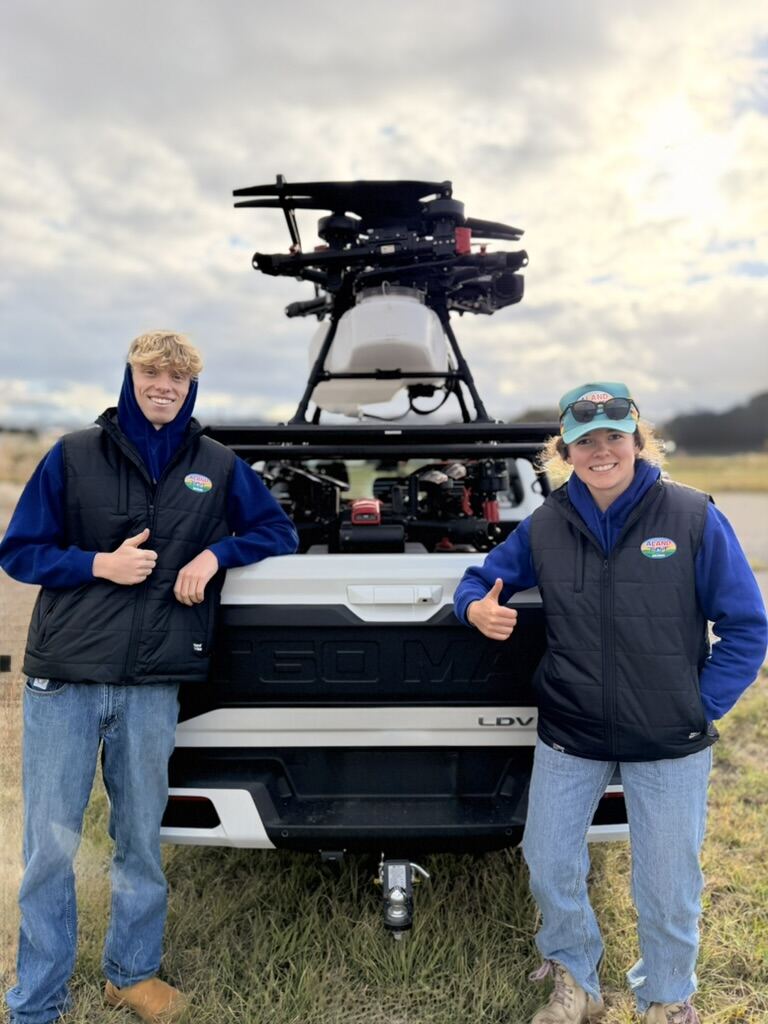
These missions can exceed excluded-category limits. They may require higher RePL privileges, a ReOC operator, dangerous goods training and specialist procedures.
A drone pilot course Perth should be selected according to the aircraft class and agricultural task.
Example 5: Coastal data collection near Hobart
A survey near Hobart may involve wind, water, changing terrain and limited emergency landing areas.
The pilot should consider weather margins, battery reserves, visual line of sight and safe recovery areas. A drone training Hobart program should build these practical decisions into the flight planning process.
BVLOS, EVLOS and AusSORA
Extended visual line of sight
EVLOS uses a structured observer system to extend the pilot’s effective operating area.
It is not simply asking a bystander to watch the drone. The observer must understand the aircraft, communications, hazards and escalation process.
EVLOS may require operator procedures and approval. Confirm the exact requirements before planning the job.
Beyond visual line of sight
BVLOS means the pilot cannot maintain direct visual contact with the aircraft.
BVLOS creates additional risks. The pilot may not see other aircraft, people, obstacles or changing weather in time.
A BVLOS operation may require:
- A RePL-qualified pilot
- A ReOC operator
- A documented safety case
- Detect-and-avoid controls
- Communications procedures
- Contingency and emergency procedures
- CASA approval
- An Australian Specific Operations Risk Assessment, or AusSORA
AusSORA is a structured risk assessment method for specific operations. It does not guarantee approval. The operator must demonstrate that the proposed controls reduce risk to an acceptable level.
Ace Aviation provides BVLOS training and advanced pathway information. Advanced operations need planning well before the client’s proposed delivery date.

Common compliance mistakes
1. Assuming payment is the only test
Commercial status depends on the operation, aircraft and regulatory pathway. A small paid job still requires compliance.
2. Treating a RePL as a blanket permission
A RePL proves pilot competence for the relevant category. It does not remove airspace, height, people or approval requirements.
3. Using a recreational drone for business without checking registration
Business-use aircraft can have different registration obligations. Confirm the current CASA requirements.
4. Measuring 120 metres from the launch point
The limit is measured above ground level. Sloping land can create an unintended breach.
5. Flying near an airport without checking the airspace
The 5.5-kilometre controlled-aerodrome rule is only one part of airspace planning. Controlled airspace can extend beyond that distance.
6. Calling a worker an “involved person” without briefing them
A person must understand and participate in the operation. A worker who walks through the site is not automatically involved.
7. Treating a spotter as an approval
A spotter can support VLOS operations. However, a spotter does not automatically authorise EVLOS or BVLOS.
8. Ignoring night operations
Night flying needs more than a powerful light. It requires suitable procedures, risk controls and any required operator privileges or approvals.
9. Failing to report a near miss
A near miss can reveal a serious system weakness. Report it internally and through the applicable external process when required.
CASA considerations for professional operators
A professional operation needs a safety system that works in the field.
At a minimum, commercial pilots should maintain a controlled record of:
- Pilot qualifications
- Training and competency
- Aircraft registration
- Maintenance
- Batteries and defects
- Flight plans
- Risk assessments
- Airspace checks
- Approvals and permissions
- Pre-flight checks
- Flight logs
- Incidents and near misses
- Client or site briefings
Record retention depends on the applicable Part 101 requirements, ReOC conditions, approvals and company procedures. Do not rely on a generic internet claim about retention periods.
Instead, create a retention schedule that covers every record type. Keep records secure, backed up and easy to retrieve.
Safety reporting
If an incident occurs, first protect people and make the aircraft safe. Then:
- Stop the operation if necessary.
- Provide first aid or contact emergency services.
- Secure the site.
- Preserve flight logs and controller data.
- Notify the Chief Remote Pilot or responsible operator.
- Record the facts without speculation.
- Complete CASA or ATSB reporting where required.
Reportable events may include:
- Injury
- Aircraft damage
- Flyaway
- Loss of control
- Airspace incursion
- Loss of separation
- Collision risk
- Dangerous goods incident
- Operation that creates a serious safety hazard
Use the ATSB aviation occurrence reporting information and your operator’s procedures. Reporting is part of safety management, not an admission of fault.
Why compliance-led training matters
A short course may help someone pass an assessment. Professional work demands more.
Ace Aviation Aerospace Academy has trained more than 4,000 students and operates with a global footprint across Australia, Singapore, Dubai, Korea and Malaysia.
Its training model connects:
- CASA-focused instruction
- RePL and AROC pathways
- ReOC support
- Practical aircraft experience
- Industry relationships
- Altitude+ student benefits
- Recurrent training access
- Career support
- DroneWork job opportunities
The Altitude+ program helps students continue building skills after their initial training. Meanwhile, the DroneWork job board connects qualified pilots with commercial opportunities.
For larger operations, review specialised and enterprise training or compare the available course pathways. The right choice should reflect the work you intend to perform, not only the lowest initial price.
Frequently asked questions
1. Do I need a drone licence to fly commercially in Australia?
For many commercial operations, yes. You may need a RePL and access to a ReOC operator. Some low-risk operations may fit the excluded category with operator accreditation.
2. What is the commercial drone licence Australia uses?
The formal pilot qualification is the Remote Pilot Licence, or RePL. It is issued within the CASA regulatory framework.
3. Is a RePL the same as a drone licence?
Yes. “Drone licence” is the common term. RePL is the formal name for the Remote Pilot Licence.
4. Do I need a ReOC if I already have a RePL?
Usually, the business conducting included commercial operations needs to operate under a ReOC. You may work for an existing ReOC holder instead of holding your own.
5. Can I do paid work without a RePL?
Some low-risk commercial operations may fit the excluded category. You must meet all applicable limits, registration rules and accreditation requirements.
6. What is the excluded category?
It is a lower-risk pathway for certain operations. The aircraft, mission and operating conditions must remain within the relevant CASA limits.
7. What is the maximum drone height in Australia?
The standard limit is 120 metres above ground level. Special approvals or narrow exceptions may apply in specific circumstances.
8. Can I fly a drone over people?
You must not operate in a way that creates a hazard to people. The standard separation from uninvolved people is generally 30 metres, and flying over crowds is not permitted under SOC.
9. Can I fly a drone at night?
Standard operating conditions generally require daylight operations. Night flights need appropriate procedures, operator privileges and any required CASA approval.
10. Can I fly within 5.5 kilometres of an airport?
The answer depends on the aerodrome, airspace and operation. SOC generally restrict operations within 3 nautical miles of a controlled aerodrome. Always check current airspace information and permissions.
11. Does VLOS mean I can use FPV goggles?
No. VLOS requires direct, unaided visual contact. FPV equipment can support awareness, but it does not automatically replace the pilot’s direct view.
12. Is a visual observer enough for BVLOS?
No. A visual observer does not automatically authorise BVLOS. BVLOS requires an approved operational framework and suitable risk controls.
13. What is EVLOS?
EVLOS is extended visual line of sight. It uses structured observer arrangements to extend operational coverage. It may require specific procedures or approval.
14. What is AusSORA?
AusSORA is the Australian Specific Operations Risk Assessment framework. It helps assess the risks of certain complex or advanced operations, including some BVLOS missions.
15. Do commercial drones need registration?
Business-use drones generally have registration obligations regardless of weight. Confirm the current requirements with CASA before operating.
16. What does an AROC allow?
An AROC demonstrates competence in operating aeronautical radio equipment. It does not replace a RePL, ReOC or required airspace approval.
17. How much is the casa RePL cost?
The cost varies by aircraft category, training provider, assessment, AROC inclusion and additional services. Review current course pricing or request a personalised quote.
18. How long does a RePL course take?
Many students complete theory before attending practical training and assessment. The exact timeframe depends on the course, aircraft category and your preparation.
19. Can I complete a drone course Brisbane while living elsewhere?
Ace Aviation offers online theory and practical training options in several locations. Review the Brisbane training pathway and current course dates.
20. Does a RePL let me fly anywhere in Australia?
No. You must still comply with Part 101, airspace restrictions, your operator’s procedures and any local permissions or approvals.
Summary: build your drone career on compliance
A compliant commercial drone operation starts with the correct classification.
First, define the mission. Next, check the aircraft, airspace, people, height and time of day. Then confirm whether you need accreditation, a RePL, a ReOC, an AROC or additional CASA approval.
Remember these core rules:
- Follow CASA Part 101.
- Maintain VLOS unless an approved alternative applies.
- Stay within 120 metres AGL.
- Keep the required distance from uninvolved people.
- Operate in daylight under SOC.
- Check controlled aerodromes and controlled airspace.
- Register business-use aircraft when required.
- Keep accurate records.
- Report safety events through the correct channels.
- Never assume a licence replaces operational approval.
Ace Aviation combines CASA-focused training, practical experience and ongoing support. With more than 4,000 students, global delivery across Australia, Singapore, Dubai, Korea and Malaysia, Altitude+ benefits and DroneWork career pathways, the goal is more than passing an assessment.
It is building safe, capable and employable remote pilots.
Ready to start? Book your training at aaa.edu.au or call 1300 336 366.
{“@graph”:[{“@id”:”https://aaa.edu.au/#organization”,”url”:”https://aaa.edu.au/”,”logo”:{“url”:”https://aaa.edu.au/assets/ace-logo-transparent.png”,”@type”:”ImageObject”},”name”:”Ace Aviation Aerospace Academy”,”@type”:”Organization”,”telephone”:”1300 336 366″,”areaServed”:[“Australia”,”Singapore”,”Dubai”,”Korea”,”Malaysia”],”description”:”Ace Aviation Aerospace Academy provides CASA-focused drone pilot training, RePL, AROC, ReOC support and aviation qualifications.”},{“@id”:”https://aaa.edu.au/blog/drone-licence-australia-2026-casa-compliance-rules#article”,”@type”:”Article”,”image”:”https://aaa.edu.au/assets/2E4B6D0C-F5F8-4D56-88ED-D35B95570C53_1_105_c_1783052866704.jpeg”,”author”:{“@id”:”https://aaa.edu.au/#organization”},”headline”:”Drone Licence Australia 2026: CASA Compliance Rules Every Commercial Pilot Must Know”,”keywords”:[“drone licence australia”,”commercial drone licence australia”,”drone course Brisbane”,”drone course Melbourne”,”drone course Sydney”,”drone pilot course Perth”,”drone training Hobart”,”casa repl cost”],”publisher”:{“@id”:”https://aaa.edu.au/#organization”},”inLanguage”:”en-AU”,”description”:”Drone licence Australia 2026 guide covering CASA Part 101, RePL, ReOC, AROC, standard operating conditions, excluded category limits and advanced operations.”,”dateModified”:”2026-08-29″,”datePublished”:”2026-08-29″,”mainEntityOfPage”:{“@id”:”https://aaa.edu.au/blog/drone-licence-australia-2026-casa-compliance-rules”,”@type”:”WebPage”}},{“@id”:”https://aaa.edu.au/blog/drone-licence-australia-2026-casa-compliance-rules#faq”,”@type”:”FAQPage”,”mainEntity”:[{“name”:”Do I need a drone licence to fly commercially in Australia?”,”@type”:”Question”,”acceptedAnswer”:{“text”:”Many commercial operations require a RePL and access to a ReOC operator. Some low-risk operations may fit the excluded category with operator accreditation.”,”@type”:”Answer”}},{“name”:”What is the commercial drone licence Australia uses?”,”@type”:”Question”,”acceptedAnswer”:{“text”:”The formal pilot qualification is the Remote Pilot Licence, or RePL, issued within the CASA regulatory framework.”,”@type”:”Answer”}},{“name”:”Is a RePL the same as a drone licence?”,”@type”:”Question”,”acceptedAnswer”:{“text”:”Yes. Drone licence is the common term, while RePL is the formal name for the Remote Pilot Licence.”,”@type”:”Answer”}},{“name”:”Do I need a ReOC if I already have a RePL?”,”@type”:”Question”,”acceptedAnswer”:{“text”:”Usually, the business conducting included commercial operations needs to operate under a ReOC. A pilot may work for an existing ReOC holder.”,”@type”:”Answer”}},{“name”:”Can I do paid work without a RePL?”,”@type”:”Question”,”acceptedAnswer”:{“text”:”Some low-risk commercial operations may fit the excluded category, provided all applicable limits, registration rules and accreditation requirements are met.”,”@type”:”Answer”}},{“name”:”What is the excluded category?”,”@type”:”Question”,”acceptedAnswer”:{“text”:”The excluded category is a lower-risk pathway for certain operations that remain within the relevant CASA aircraft and operating limits.”,”@type”:”Answer”}},{“name”:”What is the maximum drone height in Australia?”,”@type”:”Question”,”acceptedAnswer”:{“text”:”The standard limit is 120 metres above ground level. Special approvals or narrow exceptions may apply in specific circumstances.”,”@type”:”Answer”}},{“name”:”Can I fly a drone over people?”,”@type”:”Question”,”acceptedAnswer”:{“text”:”You must not operate in a way that creates a hazard to people. The standard separation from uninvolved people is generally 30 metres.”,”@type”:”Answer”}},{“name”:”Can I fly a drone at night?”,”@type”:”Question”,”acceptedAnswer”:{“text”:”Standard operating conditions generally require daylight operations. Night flights need appropriate procedures, operator privileges and any required CASA approval.”,”@type”:”Answer”}},{“name”:”Can I fly within 5.5 kilometres of an airport?”,”@type”:”Question”,”acceptedAnswer”:{“text”:”It depends on the aerodrome, airspace and operation. Standard operating conditions generally restrict operations within 3 nautical miles of a controlled aerodrome.”,”@type”:”Answer”}},{“name”:”Does VLOS mean I can use FPV goggles?”,”@type”:”Question”,”acceptedAnswer”:{“text”:”No. VLOS requires direct, unaided visual contact. FPV equipment does not automatically replace the pilot’s direct view.”,”@type”:”Answer”}},{“name”:”Is a visual observer enough for BVLOS?”,”@type”:”Question”,”acceptedAnswer”:{“text”:”No. A visual observer does not automatically authorise BVLOS. BVLOS requires an approved operational framework and suitable risk controls.”,”@type”:”Answer”}},{“name”:”What is EVLOS?”,”@type”:”Question”,”acceptedAnswer”:{“text”:”EVLOS is extended visual line of sight. It uses structured observer arrangements to extend operational coverage and may require specific procedures or approval.”,”@type”:”Answer”}},{“name”:”What is AusSORA?”,”@type”:”Question”,”acceptedAnswer”:{“text”:”AusSORA is the Australian Specific Operations Risk Assessment framework used to assess the risks of certain complex or advanced operations.”,”@type”:”Answer”}},{“name”:”Do commercial drones need registration?”,”@type”:”Question”,”acceptedAnswer”:{“text”:”Business-use drones generally have registration obligations regardless of weight. Operators should confirm the current requirements with CASA.”,”@type”:”Answer”}},{“name”:”What does an AROC allow?”,”@type”:”Question”,”acceptedAnswer”:{“text”:”An AROC demonstrates competence in operating aeronautical radio equipment. It does not replace a RePL, ReOC or required airspace approval.”,”@type”:”Answer”}},{“name”:”How much is the casa RePL cost?”,”@type”:”Question”,”acceptedAnswer”:{“text”:”Cost varies by aircraft category, training provider, assessment, AROC inclusion and additional services. Check current provider pricing and request a personalised quote.”,”@type”:”Answer”}},{“name”:”Does a RePL let me fly anywhere in Australia?”,”@type”:”Question”,”acceptedAnswer”:{“text”:”No. Pilots must still comply with Part 101, airspace restrictions, operator procedures and any local permissions or approvals.”,”@type”:”Answer”}}]}],”@context”:”https://schema.org”}