Meta description: Find out how long a drone licence Australia course takes in 2026, including RePL costs, CASA processing and fast-track options.
Short answer: How long does a drone licence take?
In 2026, getting a drone licence Australia applicants can use for professional work usually takes 3–10 days for the course itself. Allow 2–8 weeks from enrolment to holding your RePL, including theory, practical assessment, CASA processing and an AROC if required.
The fastest route is an intensive course with completed pre-study. A more flexible route combines online theory with scheduled practical days. Certificate III students should allow up to 12 months for the full qualification.
What affects your RePL timeline?
A RePL is the CASA Remote Pilot Licence. It is the qualification most people mean when they search for a commercial drone licence Australia pathway.
Your total timeline depends on five main factors:
- How quickly you complete your online theory.
- The next available practical assessment date.
- Whether you pass your theory and flight assessment first time.
- How quickly your provider submits complete paperwork to CASA.
- Whether you also need an AROC or Certificate III in Aviation.
At Ace Aviation, the standard pathway includes online learning, three live theory days and two practical or assessment days. The live theory may be completed together or spread over time.
After you pass, Ace prepares and submits your CASA paperwork. The provider’s current guidance says a RePL may arrive within 24–48 hours of submission in a smooth case. However, students should allow one to three weeks for CASA processing.
Therefore, plan for the realistic range rather than the fastest result.

RePL timeline in Australia for 2026
1. Online self-paced theory: several days to several weeks
Your course usually begins in an online student portal. You work through:
- Aviation theory.
- RPAS operating rules.
- Airspace and weather.
- Human factors.
- Risk management.
- Flight planning.
- Emergency procedures.
- Practice quizzes and exams.
A focused learner may complete the pre-course material in several days. Working adults often take two to four weeks.
Ace also provides live instructor-led theory through Zoom. The three live days can be completed together or spread over up to 12 months, depending on the course structure.
Do not treat the online component as a formality. Your theory knowledge affects your practical performance. It also affects how quickly your provider can book you for assessment.
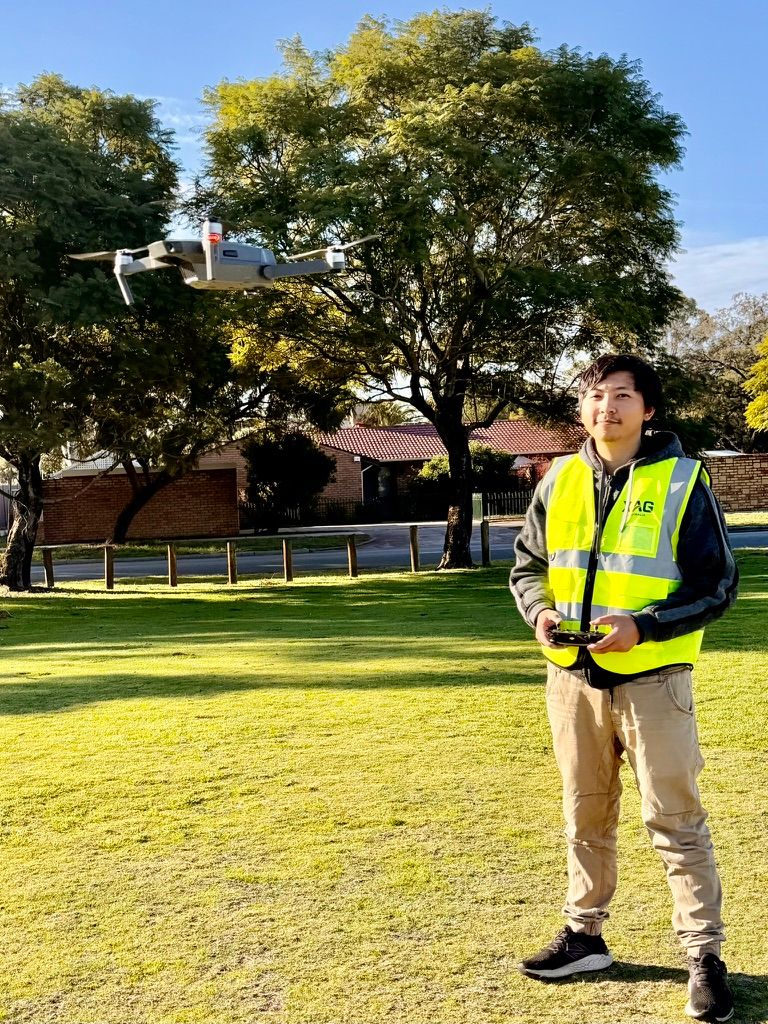
2. Practical flight training: one day
The first practical day builds your flying skills. You normally practise:
- Pre-flight inspections.
- Aircraft setup.
- Controller checks.
- Take-off and landing.
- Hovering and orientation.
- Manual flight control.
- Emergency actions.
- Battery and equipment management.
- Post-flight procedures.
You do not need previous professional flying experience. However, you should arrive prepared and rested.
3. Theory exam and flight assessment: one day
The next practical day normally includes your in-person theory exam and flight assessment. Your assessor checks whether you can apply safe operating procedures, not only memorise facts.
Weather can affect this stage. High winds, rain, poor visibility or unsafe field conditions may require a rescheduled flight.
That is why a five-day course does not always mean a licence arrives five days later. You still need CASA processing after your provider submits the completed application.
4. CASA RePL processing: usually one to three weeks
CASA processing starts after your provider submits a complete application. In some cases, the process is quicker. In others, it may take longer due to workload, missing information or follow-up questions.
Ace handles the submission paperwork included in its relevant packages. Still, you should allow a buffer when planning a job start date.
For current regulatory information, check the Civil Aviation Safety Authority.
5. AROC timing: usually integrated with RePL training
The AROC is the Aeronautical Radio Operator Certificate. It covers aviation radio procedures and communication skills.
Many commercial pilots complete the AROC with their RePL. Ace includes AROC in its Starter, Silver, Gold and Platinum pathways.
When the AROC is completed in the same course, it normally adds little or no extra calendar time. If you complete it separately, allow additional theory, assessment and administration time.
Radio procedures may matter when operating near controlled aerodromes. Airservices Australia publishes important aviation information and operates Australia’s air traffic services. Your training provider will explain when radio qualifications and procedures apply.
Delivery modes compared
| Delivery mode | Course or study time | Best for | Main timing consideration |
|---|---|---|---|
| Intensive in-person | About 3–5 days | Students ready to study full-time | Practical dates and weather can affect completion |
| Online theory plus scheduled practical | Usually 2–6 weeks | Working adults and regional students | Your study pace controls the first stage |
| Corporate or on-site training | About 3–10 days, depending on scope | Employers training several staff | Aircraft, venue, staff numbers and operations affect timing |
| Certificate III pathway | Up to 12 months | Students seeking a formal aviation qualification | RePL can come earlier, but the full qualification takes longer |
Intensive in-person training
An intensive course is the fastest option for most beginners. You complete the online preparation, live theory and practical assessment within a tight schedule.
The course itself may take five working days. However, you should still allow one to three weeks for CASA processing.
Online theory plus scheduled practical
This is the most common choice for working adults. You study theory from home, then attend scheduled practical days in your nearest location.
This format reduces travel and time away from work. It also lets you repeat difficult topics before assessment.
Ace’s course options and pricing include flexible modular training. The right package depends on your aircraft category and career plans.
Corporate and on-site training
Corporate training can reduce scheduling delays when several employees need certification. A provider may deliver theory online and arrange practical training at an approved site.
The employer should confirm:
- The number of students.
- Aircraft types and weight categories.
- Available training space.
- Airspace restrictions.
- Weather contingencies.
- Whether employees need AROC training.
- Whether the operation needs ReOC support.
Certificate III in Aviation pathway
The AVI30419 Certificate III in Aviation pathway includes RePL training, AROC training and additional aviation units.
The RePL component may finish within the usual short course timeline. However, the complete qualification includes at least 14 units of competency and may take up to 12 months.
You can explore the Certificate III in Aviation pathway if you want a nationally recognised qualification, not only a licence.

Key facts: drone licence Australia timeline
| Stage | Typical time | What can delay it? |
|---|---|---|
| Eligibility and enrolment | One day to one week | Missing documents or unsuitable course choice |
| Self-paced online theory | Several days to four weeks | Limited study time |
| Live theory | Three days | Class availability or rescheduling |
| Practical flight training | One day | Weather, aircraft or venue issues |
| Exam and flight assessment | One day | Readiness or weather |
| Provider paperwork | One to several business days | Incomplete student information |
| CASA processing | About one to three weeks | Workload or application queries |
| AROC | Usually included with the course | Separate enrolment or additional assessment |
| Full Certificate III | Up to 12 months | Study pace and competency completion |
Step-by-step: how to become a drone pilot Australia applicants can follow
Step 1: Check your eligibility
Before you enrol, confirm that you:
- Are at least 16 years old.
- Can understand and communicate in English.
- Can read aviation documents and follow instructions.
- Have eyesight suitable for safe drone operations.
- Can safely operate a controller and monitor the aircraft.
- Can meet any identity and documentation requirements.
A RePL generally does not require an airline-style Class 1 or Class 2 medical. However, you must be fit to operate safely. Tell your provider about any condition that could affect your ability to control an aircraft, maintain situational awareness or respond to an emergency.
Step 2: Choose the right course
Your first decision is the aircraft category and work you want to perform.
For example:
- A light drone operator may choose Starter.
- A commercial operator may choose Silver.
- A new drone business may choose Gold.
- An enterprise or heavy-lift operator may choose Platinum.
Use the ACE Licence Finder if you are unsure. You can also request a current personalised training quote.
Step 3: Complete your online theory
Start the portal work as soon as you enrol. Set aside regular study blocks rather than leaving everything until the week before class.
A useful plan is:
- Study for 60–90 minutes on weekdays.
- Complete quizzes after each topic.
- Write down questions for your instructor.
- Repeat practice exams until your results are consistent.
- Review weather, airspace and emergency procedures before practical training.
Step 4: Attend live theory
Attend the live sessions and ask questions. These classes connect the rules to real operations.
You will learn how to plan a safe mission, identify hazards and make decisions under pressure.
Step 5: Complete practical training
Arrive early with suitable clothing, water, sun protection and closed shoes. The training aircraft are generally supplied, so you do not need to buy a drone before starting.
Step 6: Complete your assessments
Your theory and practical assessment show that you can operate safely and consistently.
If you do not pass first time, do not assume your career has ended. Additional training can identify the gap and prepare you for another attempt.
Step 7: Submit CASA paperwork
Your training provider submits the completed paperwork after you pass. Check that your name, address, identification and contact details are correct.
Small errors can cause avoidable delays.
Step 8: Add an AROC if your work requires it
An AROC may be needed for operations involving aviation radio procedures. It can be completed with your RePL in many packages.
Do not assume every drone job needs an AROC. Instead, match the certificate to your intended airspace and role.
Step 9: Prepare for your first paid jobs
A licence alone does not create a business. You also need safe procedures, suitable insurance, equipment and clients.
Ace students can access DroneWork opportunities, which connects qualified pilots with commercial tasks. Work depends on location, demand, experience and client requirements.
Ace Aviation costs and payback
The casa repl cost depends on the package, aircraft category and extra qualifications.
| Ace pathway | Published 2026 price | Main inclusions |
|---|---|---|
| Starter | From $1,299 | RePL under 7 kg, AROC and DroneWork access |
| Silver | $1,799 | RePL under 7 kg and 25 kg, AROC and flexible timetable |
| Gold | $3,199 with eligible bursary | RePL, AROC, ReOC setup, business support and advanced training |
| Platinum | $5,299 with eligible bursary | Gold inclusions, up to 150 kg training and Certificate III |
| Certificate III pathway | $3,200 | RePL, AROC, Certificate III gap training and qualification issuance |
Prices and inclusions may change. Check the current course pricing before you enrol.
Ace also offers payment options, including a four-payment plan and longer-term finance options. Eligible students may receive Gold or Platinum course credits through the DroneWork bursary.
How quickly can the course pay for itself?
New pilots commonly price work by the job, day or hour. Indicative market rates vary widely:
- Real estate and media: about $100–$250 per hour.
- Construction and property: about $120–$280 per hour.
- Surveying and mapping: about $150–$350 per hour.
- Infrastructure inspection: about $150–$400 per hour.
- Mining and resources: about $200–$500 per hour.
These figures are gross and indicative. They do not guarantee income. Travel, insurance, software, equipment, tax and business costs reduce your net return.
For example, a Silver package at $1,799 could equal:
- Six jobs with $300 gross margin; or
- Nine jobs with $200 gross margin; or
- One larger project completed over several days.
In practice, a new pilot may need several weeks or months to build a client base. The fastest payback usually comes from joining an existing operation, using industry contacts or accessing suitable work through DroneWork.
City-by-city practical training availability
Brisbane
Ace delivers practical assessment days around Brisbane. Current locations include Underwood for practical training and Upper Mount Gravatt for theory.
The Brisbane drone course suits students across Queensland. Summer heat, storms and wet-season conditions can affect outdoor sessions. Allow extra travel time during peak traffic.
Sydney
Sydney practical training is available around Toongabbie. Theory sessions have been listed at Seven Hills.
The Sydney drone course is useful for students targeting construction, media, real estate and infrastructure work. Sydney weather can change quickly, so keep one spare day available if you have a strict travel schedule.
Melbourne
Melbourne practical training is delivered around Doncaster. Theory locations include South Melbourne and the Melbourne CBD.
The Melbourne drone course combines online study with local practical training. Melbourne wind and rain can affect flight days, particularly during colder months. Dress for changing conditions.
Perth
Perth practical locations include South Perth and Karawara. The drone pilot course Perth pathway is popular with students targeting mining, resources, agriculture and surveying.
Perth heat can affect batteries, people and aircraft performance. Plan hydration, sun protection and travel time carefully.
Hobart
Hobart practical training is available around Leslie Vale. The drone training Hobart pathway supports students interested in agriculture, forestry, environmental work and infrastructure.
Tasmanian weather can change quickly. Students travelling from outside Hobart should allow flexibility for wind, rain and transport delays.
Exact venues and dates can change. Confirm the practical location when you enrol and check the live training calendar.

Common mistakes that delay a RePL
1. Underestimating theory study
Many students expect the practical day to teach everything. It does not. Complete the portal work before attending live theory.
2. Booking practical training too early
Do not book your flight assessment before you are ready. Complete the required theory first, then confirm that your practical date matches your progress.
3. Forgetting the AROC
Some students discover too late that a client or operation expects aviation radio capability. Ask about the AROC before choosing a package.
4. Choosing a non-approved provider
A cheap course may not provide the licence or assessment pathway you need. Confirm that your training provider is CASA-approved.
Ace Aviation operates under CASA.ReOC.1421 and has trained more than 4,000 students. It also has a global training footprint across Australia, Singapore, Dubai, Korea and Malaysia.
5. Assuming the RePL makes every operation legal
A RePL is not permission to ignore airspace rules, privacy obligations, safety procedures or operating limits.
6. Letting operational currency lapse
The RePL itself does not expire under Ace’s current guidance. However, practical currency, recurrent training, employer checks and operational requirements still matter.
Keep your skills current through regular flying, refresher training and documented competency checks.
CASA considerations: RePL, excluded category and ReOC
RePL versus excluded category
Some limited low-risk drone operations may fit the excluded category. These operations have strict limits, including aircraft weight, location, height and operating conditions.
The excluded category is not a substitute for a RePL when you want broader commercial work.
A RePL gives you a formal pilot qualification. You then operate under your own ReOC or an employer’s ReOC, where required.
Why ReOC-backed operations matter
A ReOC is the Remote Operator’s Certificate. It belongs to the operator or business, not simply to the pilot.
For example, a construction company may employ a RePL holder under its existing ReOC. Alternatively, a drone business owner may need to establish their own compliant operation.
This distinction matters because:
- The pilot must be competent.
- The operator must have suitable procedures.
- The operation must match the ReOC scope.
- The aircraft and equipment must be suitable.
- The client needs confidence in compliance.
Ace’s Gold and Platinum pathways include ReOC setup support. That is one way Ace differs from training-only providers such as National Drones, iDrone Train, Aviassist and Global Drone Solutions. The right choice still depends on your goals, location, budget and required aircraft category.
Ace also supports students through its Altitude+ program, industry relationships and DroneWork job network. These benefits extend beyond the assessment day.
Examples of realistic timelines
Example 1: Full-time beginner
- Week 1, Monday: Enrol and start online theory.
- Week 1, Tuesday to Thursday: Complete live theory.
- Week 1, Friday: Practical training.
- Week 2, Monday: Exam and flight assessment.
- Week 2–4: CASA processing.
- Total: about two to four weeks.
Example 2: Working adult
- Weeks 1–3: Complete online theory at night.
- Week 4: Attend live theory.
- Week 5: Attend practical training and assessment.
- Weeks 6–8: CASA processing.
- Total: about six to eight weeks.
Example 3: Certificate III student
- Weeks 1–6: Complete online theory and RePL components.
- Weeks 4–8: Complete practical, assessment and AROC requirements.
- Months 2–12: Complete remaining Certificate III units.
- Total: RePL in weeks, full qualification within up to 12 months.
Frequently asked questions
1. How long does a drone licence take in Australia?
The course itself can take three to ten days. Most students should allow two to eight weeks from enrolment to receiving their RePL.
2. How fast can I get my RePL?
The fastest route is an intensive course with completed pre-study, an available practical date and a complete CASA application. In a smooth case, your provider may submit your paperwork soon after assessment.
3. Can I complete a RePL course online?
You can complete much of the theory online. However, the practical flight training and assessment require face-to-face participation.
4. Do I need previous drone experience?
No. CASA-approved training is designed for beginners and experienced hobby pilots. You still need to study and practise.
5. Do I need a medical certificate?
Most RePL applicants do not need an airline-style medical certificate. However, you must be fit to operate safely and meet your provider’s eligibility requirements.
6. Is the RePL the same in every Australian state?
Yes. The RePL is a CASA qualification. Training locations, course dates and local travel conditions vary by state.
7. Does the RePL expire?
Ace’s current guidance says the RePL remains with you for life. However, your practical currency, refresher training and employer requirements may still apply.
8. Can I work while studying?
Yes. Online theory and modular timetables suit many working adults. Book practical days early so they fit your work calendar.
9. What is the AROC?
The AROC is the Aeronautical Radio Operator Certificate. It trains you to use aviation radio procedures correctly.
10. Do I need an AROC for every drone job?
No. The requirement depends on the operation, airspace and role. Ask your training provider what applies to your intended work.
11. How much does a RePL cost?
Ace packages currently range from $1,299 for Starter to $5,299 with eligible Platinum bursary pricing. A Silver RePL and AROC package is currently $1,799.
12. What is the casa repl cost for commercial work?
The cost depends on your aircraft category and required add-ons. Silver is a common starting point for commercial pilots because it includes RePL and AROC.
13. Is weekend training available?
Weekend and multi-day dates may be available in some locations. Check the calendar because availability changes by city and intake.
14. What happens if bad weather stops my assessment?
Your provider may reschedule the practical assessment. Weather is a safety issue, not an inconvenience to ignore.
15. Can I use my own drone during training?
Training aircraft are generally supplied. Ask your provider whether your own aircraft can be used for later aircraft-specific or advanced training.
16. Can I fly commercially after passing the assessment?
You must wait until the required licence and operator arrangements are in place. You also need to follow CASA rules, the operator’s procedures and client requirements.
17. Do I need my own ReOC?
Not always. You may work for an employer or contractor operating under an existing ReOC. You may need your own ReOC if you operate your own commercial business.
18. Is Certificate III faster than a normal RePL course?
No. The Certificate III pathway includes the RePL but adds further units and assessment. It offers a broader qualification, not a faster licence.
19. How do I find work after my RePL?
Build a portfolio, contact local operators and explore DroneWork opportunities. Your first jobs may require additional skills, insurance or aircraft experience.
20. Which course should I choose?
Use the ACE Licence Finder, review the course options or speak with an adviser. Your aircraft, industry and business plan should guide the decision.
Summary: plan for the realistic timeline
A drone licence Australia pathway can be completed quickly, but the licence is not issued at the end of your first flying day.
Allow:
- Three to ten days for the course and assessment.
- One to three weeks for CASA processing.
- Two to eight weeks from enrolment to licence in most cases.
- Up to 12 months for the complete Certificate III pathway.
You can shorten the process by completing your theory early, choosing a suitable course and booking practical training promptly. However, never rush safety training or submit incomplete paperwork.
Ace Aviation has trained more than 4,000 students and supports pilots through training, compliance, career development and commercial opportunities. Its CASA-approved pathways, Altitude+ program, global footprint and DroneWork network help students move beyond a licence and towards real aviation work.
Ready to start? Book your training at aaa.edu.au or call 1300 336 366.
{“@graph”:[{“@id”:”https://aaa.edu.au/blog/drone-licence-australia-2026-how-long-repl-timeline-costs-fast-track-options#article”,”@type”:”Article”,”image”:[“https://cdn.marblism.com/B1ZZ_sb1RnK.jpg”,”https://cdn.marblism.com/62Y6BZvSpaQ.webp”,”https://cdn.marblism.com/fW17lGYEZC7.jpg”,”https://cdn.marblism.com/LRs3zCZAzPE.jpg”],”author”:{“url”:”https://aaa.edu.au/”,”name”:”Ace Aviation Aerospace Academy”,”@type”:”Organization”},”headline”:”Drone Licence Australia 2026: How Long Does It Take to Get a RePL? Full Timeline, Costs and Fast-Track Options”,”keywords”:[“drone licence australia”,”how to become a drone pilot australia”,”commercial drone licence australia”,”casa repl cost”,”drone course brisbane”,”drone course melbourne”,”drone course sydney”,”drone pilot course perth”,”drone training hobart”],”publisher”:{“url”:”https://aaa.edu.au/”,”logo”:{“url”:”https://aaa.edu.au/assets/ace-logo-transparent.png”,”@type”:”ImageObject”},”name”:”Ace Aviation Aerospace Academy”,”@type”:”Organization”},”description”:”Find out how long a drone licence Australia course takes in 2026, including RePL costs, CASA processing and fast-track options.”,”dateModified”:”2026-09-25″,”datePublished”:”2026-09-25″,”mainEntityOfPage”:”https://aaa.edu.au/blog/drone-licence-australia-2026-how-long-repl-timeline-costs-fast-track-options”},{“@id”:”https://aaa.edu.au/blog/drone-licence-australia-2026-how-long-repl-timeline-costs-fast-track-options#faq”,”@type”:”FAQPage”,”mainEntity”:[{“name”:”How long does a drone licence take in Australia?”,”@type”:”Question”,”acceptedAnswer”:{“text”:”The course itself can take three to ten days. Most students should allow two to eight weeks from enrolment to receiving their RePL.”,”@type”:”Answer”}},{“name”:”How fast can I get my RePL?”,”@type”:”Question”,”acceptedAnswer”:{“text”:”The fastest route is an intensive course with completed pre-study, an available practical date and a complete CASA application.”,”@type”:”Answer”}},{“name”:”Can I complete a RePL course online?”,”@type”:”Question”,”acceptedAnswer”:{“text”:”You can complete much of the theory online. Practical flight training and assessment require face-to-face participation.”,”@type”:”Answer”}},{“name”:”Do I need previous drone experience?”,”@type”:”Question”,”acceptedAnswer”:{“text”:”No. CASA-approved training is designed for beginners and experienced hobby pilots.”,”@type”:”Answer”}},{“name”:”Do I need a medical certificate?”,”@type”:”Question”,”acceptedAnswer”:{“text”:”Most RePL applicants do not need an airline-style medical certificate. However, you must be fit to operate safely and meet your provider’s eligibility requirements.”,”@type”:”Answer”}},{“name”:”Is the RePL the same in every Australian state?”,”@type”:”Question”,”acceptedAnswer”:{“text”:”Yes. The RePL is a CASA qualification. Training locations, course dates and local travel conditions vary by state.”,”@type”:”Answer”}},{“name”:”Does the RePL expire?”,”@type”:”Question”,”acceptedAnswer”:{“text”:”Ace’s current guidance says the RePL remains with you for life. Practical currency, refresher training and employer requirements may still apply.”,”@type”:”Answer”}},{“name”:”Can I work while studying?”,”@type”:”Question”,”acceptedAnswer”:{“text”:”Yes. Online theory and modular timetables suit many working adults.”,”@type”:”Answer”}},{“name”:”What is the AROC?”,”@type”:”Question”,”acceptedAnswer”:{“text”:”The AROC is the Aeronautical Radio Operator Certificate. It trains you to use aviation radio procedures correctly.”,”@type”:”Answer”}},{“name”:”Do I need an AROC for every drone job?”,”@type”:”Question”,”acceptedAnswer”:{“text”:”No. The requirement depends on the operation, airspace and role.”,”@type”:”Answer”}},{“name”:”How much does a RePL cost?”,”@type”:”Question”,”acceptedAnswer”:{“text”:”Ace packages currently range from $1,299 for Starter to $5,299 with eligible Platinum bursary pricing. A Silver RePL and AROC package is currently $1,799.”,”@type”:”Answer”}},{“name”:”What is the CASA RePL cost for commercial work?”,”@type”:”Question”,”acceptedAnswer”:{“text”:”The cost depends on your aircraft category and required add-ons. Silver is a common starting point for commercial pilots because it includes RePL and AROC.”,”@type”:”Answer”}},{“name”:”Is weekend training available?”,”@type”:”Question”,”acceptedAnswer”:{“text”:”Weekend and multi-day dates may be available in some locations. Check the calendar because availability changes by city and intake.”,”@type”:”Answer”}},{“name”:”What happens if bad weather stops my assessment?”,”@type”:”Question”,”acceptedAnswer”:{“text”:”Your provider may reschedule the practical assessment. Weather is a safety issue.”,”@type”:”Answer”}},{“name”:”Can I use my own drone during training?”,”@type”:”Question”,”acceptedAnswer”:{“text”:”Training aircraft are generally supplied. Ask your provider whether your own aircraft can be used for later aircraft-specific or advanced training.”,”@type”:”Answer”}},{“name”:”Can I fly commercially after passing the assessment?”,”@type”:”Question”,”acceptedAnswer”:{“text”:”You must wait until the required licence and operator arrangements are in place. You must also follow CASA rules, operator procedures and client requirements.”,”@type”:”Answer”}},{“name”:”Do I need my own ReOC?”,”@type”:”Question”,”acceptedAnswer”:{“text”:”Not always. You may work for an employer or contractor operating under an existing ReOC. You may need your own ReOC if you operate your own commercial business.”,”@type”:”Answer”}},{“name”:”Is Certificate III faster than a normal RePL course?”,”@type”:”Question”,”acceptedAnswer”:{“text”:”No. The Certificate III pathway includes the RePL but adds further units and assessment. It offers a broader qualification, not a faster licence.”,”@type”:”Answer”}},{“name”:”How do I find work after my RePL?”,”@type”:”Question”,”acceptedAnswer”:{“text”:”Build a portfolio, contact local operators and explore DroneWork opportunities. Your first jobs may require additional skills, insurance or aircraft experience.”,”@type”:”Answer”}},{“name”:”Which RePL course should I choose?”,”@type”:”Question”,”acceptedAnswer”:{“text”:”Your aircraft, industry and business plan should guide the decision. Use the ACE Licence Finder, review course options or speak with an adviser.”,”@type”:”Answer”}}]},{“@id”:”https://aaa.edu.au/#organization”,”url”:”https://aaa.edu.au/”,”logo”:{“url”:”https://aaa.edu.au/assets/ace-logo-transparent.png”,”@type”:”ImageObject”},”name”:”Ace Aviation Aerospace Academy”,”@type”:”Organization”,”sameAs”:[“https://aaa.edu.au/why-ace”,”https://aaa.edu.au/courses”],”telephone”:”+61-1300-336-366″,”description”:”CASA-approved drone pilot training and aviation education provider offering RePL, AROC, Certificate III in Aviation and advanced RPAS pathways.”}],”@context”:”https://schema.org”}