Meta description: Learn how to become a drone pilot in Australia in 2026: RePL, AROC, registration and first jobs. Choose your pathway and book training with ACE.
Short answer: How do you become a drone pilot in Australia?
To become a commercial drone pilot in Australia, choose the right CASA pathway, complete the required training and assessment, and meet the registration and operating rules for your work. For many professional roles, this means a Remote Pilot Licence (RePL), plus an Aeronautical Radio Operator Certificate (AROC) when the operation requires aviation radio.
The right steps depend on the drone, the job and whether you work under an employer’s operator certificate or run your own business. Here’s how to plan your commercial drone licence in Australia pathway for 2026.
Detailed explanation: Which pathway should you choose?
A RePL is a pilot qualification. A Remote Operator’s Certificate (ReOC) is an operator approval for a person or business conducting certain drone operations. They are not the same thing.
If you join an established drone company, you may fly under its ReOC, provided you hold the qualifications required for your role and operation. If you plan to run your own drone business, you may need your own ReOC for work outside the rules for excluded-category operations.
Some limited operations may use operator accreditation instead of a RePL. For example, specific small-drone work on your own land may fit an excluded category, if you meet every condition. Check the current CASA drone rules before choosing a course or accepting a job.
ACE Aviation Aerospace Academy is a CASA-approved training provider operating under CASA.ReOC.1421. ACE has trained more than 4,000 students and delivers training across Australia, Singapore, Dubai, Korea and Malaysia. However, an Australian RePL does not automatically authorise drone work in another country. Local rules still apply.
Key facts at a glance
| Term | What it means |
|---|---|
| RePL | Remote Pilot Licence: the pilot qualification for relevant drone operations. |
| ReOC | Remote Operator’s Certificate: an operator approval held by a person or business. |
| AROC | Aeronautical Radio Operator Certificate: training and qualification for aviation radio use. |
| Operator accreditation | A CASA credential for certain operations in excluded categories. |
| Drone registration | Registration required for drones used for business or as part of a job. |
| Certificate III in Aviation | An optional nationally recognised qualification delivered with Reach Community College. |
Requirements vary by aircraft, task and location. Always check current CASA guidance for your planned operation.
Step-by-step: How to get a drone licence in Australia
1. Decide what work you want to do
Start with the kind of flying you plan to do. Surveying, inspections, agriculture, photography and construction work can involve different drones and operating conditions.
Ask yourself:
- Will you work for an existing operator or start a business?
- What drone weight category and aircraft type will the work use?
- Will the job involve controlled airspace, aviation radio or special approvals?
- Does the employer require AROC or a formal aviation qualification?
Then compare the ACE course options with your intended work. ACE offers RePL pathways for different aircraft categories, as well as specialist training.
2. Choose a CASA-approved RePL training provider
For a RePL, complete the theory, aircraft-specific training where required, and practical assessment through an approved training pathway. CASA sets the licensing requirements; your provider explains the course schedule, assessments and aircraft scope.
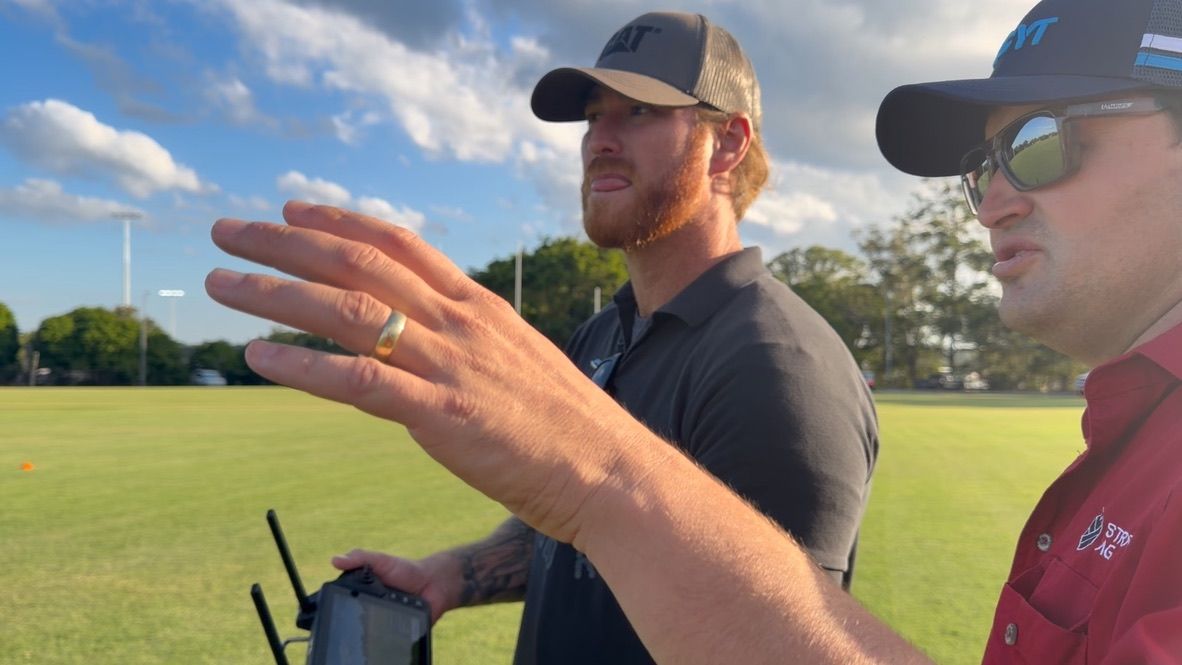
At ACE, students can study online, join instructor-led theory sessions and complete practical flight training and assessment in person. Training aircraft are provided for practical sessions. This structure can help learners fit study around work and family commitments.
ACE offers local practical training in Melbourne, Brisbane, Sydney, Hobart and Perth. Check the training calendar for current dates and availability.

3. Complete theory and practical flight training
Theory helps you understand aviation rules, weather, airspace, risk and safe operating procedures. Practical training builds control skills and sound decision-making.
During flight sessions, you learn to prepare the aircraft, complete checks, control the drone and follow safe procedures. Your assessment checks the relevant skills for your intended licence category and aircraft type.
Prepare well and ask your instructor about any areas you find difficult. A licence is a starting point; professional competence also depends on regular practice and careful planning.
4. Add AROC if your work needs aviation radio
AROC training covers the correct use of aviation radio and the communication procedures used around aviation activity. Some operations require an aviation radio qualification, so check the job, airspace and applicable CASA requirements before you fly.
AROC does not grant permission to enter controlled airspace. You must still hold the right operational approvals. ACE offers AROC training and assessment, and the Certificate III pathway also includes AROC training.
5. Consider Certificate III in Aviation
A RePL focuses on remote piloting. If you want a broader formal qualification, consider the nationally recognised Certificate III in Aviation (AVI30419).
ACE delivers this qualification in partnership with Reach Community College. Depending on the pathway, it can cover areas such as aviation law, human factors, navigation and operational management. Review the Certificate III details to confirm which RePL and AROC components your selected option includes.
6. Complete registration and operational checks
Before commercial work, get an Aviation Reference Number (ARN) and set up the required CASA account. CASA generally requires drones used for business or as part of a job to be registered, regardless of weight. Check current registration steps, evidence requirements and fees directly with CASA.
Before each flight, confirm that the operation fits your qualifications and the relevant rules. Standard conditions may include visual line of sight, a height limit, separation from people and restrictions near aerodromes or populous areas. Other jobs may need additional approvals.

7. Get ready for your first paid job
A qualification helps open doors, but it does not guarantee work. Build a practical portfolio, learn to write clear client reports and develop skills that match a specific industry.
You can also explore DroneWork, ACE’s jobs and opportunities platform, through the ACE jobs page. ACE students may also access Altitude+, a student benefits program. See the Altitude+ overview for current program information and terms.
ACE also describes its international training presence across Australia, Singapore, Dubai, Korea and Malaysia in its global footprint overview. Each country has its own rules for drone operations.
Examples: two common career routes
Working for an established operator: A pilot completes a RePL that matches the employer’s aircraft and work, then confirms whether AROC or other approvals are needed. The pilot operates within the employer’s ReOC and procedures.
Starting a drone business: The new operator maps out its services, aircraft and planned operating conditions. The business then checks whether it can operate within an excluded category or needs a ReOC and further CASA permissions.
In both cases, check the requirements for the actual job. A general licence does not automatically cover every aircraft or operation.
Common mistakes to avoid
- Assuming RePL and ReOC mean the same thing. One qualifies a pilot; the other applies to an operator.
- Choosing a course before defining your work. Your aircraft category and intended jobs should guide your training choice.
- Treating AROC as airspace permission. Radio training does not replace an approval to fly in controlled airspace.
- Forgetting drone registration. Check CASA’s current rules for every aircraft used for business.
- Assuming international recognition. Confirm the rules with the local aviation regulator before working overseas.
- Expecting a licence to guarantee employment. Build practical skills, contacts and industry knowledge as well.
CASA considerations for 2026
CASA rules can change, and requirements depend on the flight. Before accepting a job, check the aircraft, airspace, operating category, permissions, registration and operator arrangements. Also confirm whether you need a RePL, operator accreditation, AROC or additional approval.
For official requirements, use CASA’s drone guidance. This guide offers general information, not a substitute for CASA advice or a review of your specific operation.
Frequently asked questions
1. What is the commercial drone licence in Australia called?
The main pilot qualification is the Remote Pilot Licence, or RePL. Requirements depend on the operation and aircraft.
2. How do I become a drone pilot in Australia?
Choose your pathway, complete the required CASA-approved training and assessment, then meet registration and operating requirements. Add AROC or other approvals if the work requires them.
3. Do I need a RePL for every paid drone job?
Not always. Some limited operations may fit an excluded category and require operator accreditation instead. Confirm the current rules for your task and aircraft.
4. What is the difference between a RePL and a ReOC?
A RePL qualifies a pilot. A ReOC applies to an operator conducting relevant operations. A pilot may work under an employer’s ReOC.
5. Is AROC required for all drone pilots?
No. AROC applies when the operation requires aviation radio use. Check the requirements for the airspace and work.
6. Does AROC let me fly in controlled airspace?
No. AROC is a radio qualification. You still need any required operational permission or airspace approval.
7. Do I need to register a drone used for business?
CASA generally requires drones used for business or as part of a job to be registered. Check the live CASA requirements before flying.
8. Can I add a Certificate III in Aviation to my training?
Yes. ACE offers AVI30419 in partnership with Reach Community College. Check the course page for package inclusions and eligibility.
9. Will an Australian RePL let me fly overseas?
Not automatically. Each country has its own licensing, registration and operating rules.
10. Does a RePL guarantee a drone job?
No. It is a qualification, not a job offer. Build relevant skills and experience, and check opportunities through platforms such as DroneWork.
Summary
The practical route to a commercial drone career starts with choosing the right operation, completing relevant RePL training and meeting CASA’s rules for registration and flight. Add AROC, Certificate III or further approvals where your work calls for them.
ACE Aviation has trained more than 4,000 students, offers training across five Australian cities listed above and maintains a wider international footprint. Its Altitude+ program and DroneWork platform can support students beyond training, subject to current terms and job availability.
Ready to start? Book your training at aaa.edu.au or call 1300 336 366.
{“@graph”:[{“@id”:”https://aaa.edu.au/#organization”,”url”:”https://aaa.edu.au/”,”name”:”Ace Aviation Aerospace Academy”,”@type”:”Organization”,”telephone”:”+61-1300-336-366″},{“@id”:”https://aaa.edu.au/blog/how-to-become-a-drone-pilot-australia-2026/#article”,”@type”:”Article”,”author”:{“name”:”Ace Aviation Aerospace Academy”,”@type”:”Organization”},”headline”:”How to Become a Drone Pilot in Australia: The 2026 Step-by-Step Guide to Your Commercial Drone Licence”,”publisher”:{“@id”:”https://aaa.edu.au/#organization”},”description”:”Learn how to become a drone pilot in Australia in 2026: RePL, AROC, registration and first jobs. Choose your pathway and book training with ACE.”,”dateModified”:”2026-10-24″,”datePublished”:”2026-10-24″,”mainEntityOfPage”:”https://aaa.edu.au/blog/how-to-become-a-drone-pilot-australia-2026/”},{“@id”:”https://aaa.edu.au/blog/how-to-become-a-drone-pilot-australia-2026/#faq”,”@type”:”FAQPage”,”mainEntity”:[{“name”:”What is the commercial drone licence in Australia called?”,”@type”:”Question”,”acceptedAnswer”:{“text”:”The main pilot qualification is the Remote Pilot Licence, or RePL. Requirements depend on the operation and aircraft.”,”@type”:”Answer”}},{“name”:”How do I become a drone pilot in Australia?”,”@type”:”Question”,”acceptedAnswer”:{“text”:”Choose your pathway, complete the required CASA-approved training and assessment, then meet registration and operating requirements. Add AROC or other approvals if the work requires them.”,”@type”:”Answer”}},{“name”:”Do I need a RePL for every paid drone job?”,”@type”:”Question”,”acceptedAnswer”:{“text”:”Not always. Some limited operations may fit an excluded category and require operator accreditation instead. Confirm the current rules for your task and aircraft.”,”@type”:”Answer”}},{“name”:”What is the difference between a RePL and a ReOC?”,”@type”:”Question”,”acceptedAnswer”:{“text”:”A RePL qualifies a pilot. A ReOC applies to an operator conducting relevant operations. A pilot may work under an employer’s ReOC.”,”@type”:”Answer”}},{“name”:”Is AROC required for all drone pilots?”,”@type”:”Question”,”acceptedAnswer”:{“text”:”No. AROC applies when the operation requires aviation radio use. Check the requirements for the airspace and work.”,”@type”:”Answer”}},{“name”:”Does AROC let me fly in controlled airspace?”,”@type”:”Question”,”acceptedAnswer”:{“text”:”No. AROC is a radio qualification. You still need any required operational permission or airspace approval.”,”@type”:”Answer”}},{“name”:”Do I need to register a drone used for business?”,”@type”:”Question”,”acceptedAnswer”:{“text”:”CASA generally requires drones used for business or as part of a job to be registered. Check the live CASA requirements before flying.”,”@type”:”Answer”}},{“name”:”Can I add a Certificate III in Aviation to my training?”,”@type”:”Question”,”acceptedAnswer”:{“text”:”Yes. ACE offers AVI30419 in partnership with Reach Community College. Check the course page for package inclusions and eligibility.”,”@type”:”Answer”}},{“name”:”Will an Australian RePL let me fly overseas?”,”@type”:”Question”,”acceptedAnswer”:{“text”:”Not automatically. Each country has its own licensing, registration and operating rules.”,”@type”:”Answer”}},{“name”:”Does a RePL guarantee a drone job?”,”@type”:”Question”,”acceptedAnswer”:{“text”:”No. It is a qualification, not a job offer. Build relevant skills and experience, and check opportunities through platforms such as DroneWork.”,”@type”:”Answer”}}]}],”@context”:”https://schema.org”}