Short direct answer
Getting a drone licence in Australia means completing approved theory and practical training, then passing the required assessments for your chosen licence category. A RePL student may study online around work, practise with an instructor, and finish with a flight test. The exact timing depends on the course and student.
A realistic look at the drone licence Australia journey
The steps to earn a drone licence in Australia can feel more real once you picture the journey week by week. So, let’s follow “Sarah,” a clearly illustrative composite student, not a real person or a report of one student’s results.
Sarah works during the week and has little drone experience. She wants to learn properly before considering professional drone work. Her training journey combines self-paced study, instructor-led theory, practical sessions and assessment.
This example reflects a common blended learning pattern. It is not a promise that every student will follow the same schedule or pass on a set date. Some learners move quickly; others need more practice. In either case, the goal is sound knowledge and safe, competent flying, not simply reaching flight test day.
At Ace Aviation Aerospace Academy, the RePL pathway includes online learning and instructor-led teaching, followed by practical training and assessment at a selected location. Students can explore available RePL courses and training options before choosing a package and timetable.
Sarah’s illustrative week-by-week journey
| Stage | What Sarah does | What she is working towards |
|---|---|---|
| Enrolment | Selects a suitable course, location and training dates | A clear schedule and access to learning materials |
| Early study | Works through course content, recorded lessons and quizzes around work | Core aviation knowledge and exam preparation |
| Instructor-led theory | Joins scheduled online classes and asks questions | Understanding rules, airspace, weather and safe operations |
| AROC add-on | Studies radio communication as part of her chosen pathway | Learning how aviation radio procedures work |
| Practical training | Meets an instructor at a training site and practises flying | Building control, awareness and safe habits |
| Assessment day | Completes required knowledge and practical assessments | Demonstrating the required knowledge and flight competence |
| After assessment | Follows the required licensing steps and checks what applies to her operation | Understanding the next steps, not assuming a licence covers everything |
The stages may span several weeks or longer. Ace’s course information explains that the instructor-led theory days can be scheduled together or spread over time, subject to course arrangements. Practical training and assessment dates also depend on location and availability.
What happens between enrolment and flight test day?
Enrolment: choosing a course and location
First, Sarah checks what she plans to fly and what training category suits her goals. A RePL is not a single unrestricted permission for every aircraft or operation. The licence covers the category and privileges for which the pilot qualifies.
She also considers where she can attend practical sessions. Ace lists training options in Melbourne, Brisbane, Sydney, Perth and Hobart. Students may come from these cities and nearby regions, while the theory component can be completed online.
Before choosing, Sarah checks dates, course inclusions and current costs. Prices and packages can change, so she confirms the latest details on the website or by phone. The Ace booking page helps her review upcoming sessions and reserve a place.
Online theory: small study sessions around a busy week
Once enrolled, Sarah opens her learning materials in the student portal. Rather than trying to absorb everything in one sitting, she fits study around work. One evening she reviews a lesson; another day she completes a quiz or revisits a topic she found difficult.
Theory matters because a safe pilot needs more than control of the joysticks. Sarah learns about aviation rules, airspace, weather, pre-flight planning and risk. She also builds a habit of asking, “Is this flight safe and permitted?” before asking, “Can I fly here?”
Next, she joins instructor-led theory sessions. The live classes give her a chance to clarify difficult points and connect written knowledge with real decisions. That support can make the difference between memorising a rule and understanding when it matters.
AROC: learning how aviation radio fits in
Sarah adds AROC training to her pathway. AROC stands for Aeronautical Radio Operator Certificate. It covers the knowledge and skills needed to use aviation radio equipment and communicate using proper procedures where required.
The AROC is not the RePL, and it does not replace the need to follow airspace rules. Instead, it is a separate qualification that can support radio communication in relevant aviation settings. The right combination depends on the work a student plans to do and the requirements of that operation.
For Sarah, the add-on gives her a chance to learn radio phraseology and communication practice alongside her broader aviation study. She can check the course options and inclusions before enrolling, since an AROC may be offered as a separate course or as part of a selected package.
The practical training day: theory becomes hands-on
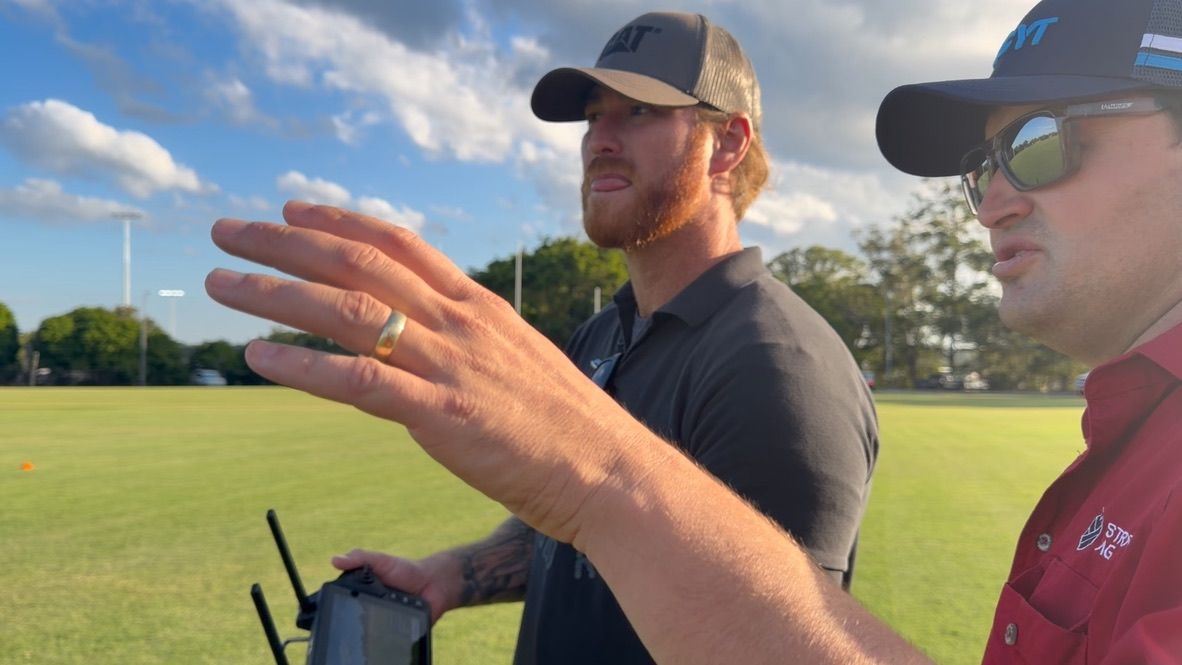
On practical days, Sarah moves from notes and quizzes to a real training area. An instructor briefs the group before flying begins. They check the site, explain the planned exercises and review the safety steps.
Sarah does not need to arrive as an expert pilot. Instead, practical training gives her a structured place to develop basic handling and awareness. She practises responding to instructions, keeping the aircraft under control and noticing what is happening around her.

The instructor helps Sarah turn good habits into a routine. Before flight, that may include checking the aircraft, controller, batteries, surroundings and conditions. During flight, she learns to stay alert and make steady decisions. Afterward, she can discuss what went well and what needs more work.
These sessions are not just about making the drone move. They teach Sarah to think like a remote pilot: plan carefully, respect operating limits, keep the situation under control and stop if conditions change.
Practical training compared with online theory
| Online theory | Practical training |
|---|---|
| Builds knowledge of rules, safety and aviation concepts | Develops hands-on aircraft handling and awareness |
| Can fit around work and other commitments | Takes place at a scheduled training site |
| Uses lessons, quizzes and instructor-led classes | Uses briefings, guided exercises and instructor feedback |
| Prepares the student for knowledge assessments | Prepares the student to demonstrate practical competence |
Both parts matter. Theory without practice can leave a student unsure how to apply what they know. Practice without theory can encourage unsafe decisions. Together, they provide a stronger base for assessment and future flying.
Flight test day: showing what you can do
Flight test day can feel serious. That is normal. Sarah has prepared through study and practice, and now she needs to demonstrate the required competence under the assessment process.
The day generally involves clear instructions, a review of the assessment process and the relevant knowledge and practical checks. The examiner assesses whether Sarah meets the required standard for her training category. She may need to explain decisions as well as demonstrate aircraft control.
Sarah focuses on following procedures, listening closely and staying calm. If she is unsure about an instruction, she asks for clarification. A flight test is an assessment, not a race. Safe decisions matter more than speed.
A good training provider prepares students for the assessment process and gives feedback during practice. Ace has trained more than 4,000 students. Its CASA approval, identified as CASA.ReOC.1421, reflects its status as an approved training provider. For an overview of the academy’s approach and student support, see why students choose Ace.

Step-by-step: Sarah’s route from study to assessment
- Choose a suitable RePL course. Sarah checks the aircraft category, course inclusions and her goals.
- Enrol and select dates. She chooses a training location and confirms the current schedule.
- Study online. She works through lessons, recorded content and practice questions at a manageable pace.
- Attend instructor-led theory. She uses class time to ask questions and prepare for knowledge assessments.
- Complete AROC training if relevant. She learns radio procedures as a separate or bundled qualification.
- Practise with an instructor. She follows briefings, works through flight exercises and uses feedback.
- Complete the required assessments. She demonstrates knowledge and practical competence for her course.
- Check the next regulatory steps. She confirms licence, registration and operating requirements before flying for work.
This sequence is a guide, not a fixed calendar. Course structure, student progress, assessment readiness and available dates can affect the timing.
Examples: how the same journey can look different
Sarah’s story is illustrative, but students arrive with different needs. One may be a hobby flyer who wants formal training and a better understanding of safe operations. Another may be entering a new industry and have no flying experience. A third may already fly recreationally but need structured training for professional work.
Location can shape the practical part, too. A student living in Melbourne may attend a local session, while a learner from Sydney, Brisbane, Perth or Hobart may select a nearby intake. The exact venue and dates should always be confirmed before travel.
Ace also operates beyond Australia, with training across Singapore, Dubai, Korea and Malaysia. That footprint offers a broader training context, while each student must still follow the rules that apply in the country where they fly.
After certification, Sarah may review the DroneWork jobs and career information to understand possible next steps. Access to a jobs platform can help her explore opportunities, but it does not guarantee a job, contract or income. She can also learn about the Altitude+ student benefits program and check which benefits apply to her course and membership.
Students seeking a broader qualification may also ask about the Certificate III in Aviation, delivered in partnership with Reach Community College. It is a separate pathway, so Sarah checks the course details and eligibility before deciding whether it fits.
Common mistakes students can avoid
- Treating the theory as a box to tick. Instead, connect each rule to a practical decision.
- Leaving all study until the final few days. Short, regular sessions can help keep key ideas fresh.
- Assuming past hobby flying replaces training. Experience helps, but the course still covers required knowledge and standards.
- Thinking the AROC and RePL are the same. They are separate qualifications with different purposes.
- Assuming a RePL permits every operation. The licence has defined privileges and does not remove other operating requirements.
- Rushing through pre-flight checks. Use a consistent process, even when a task seems simple.
- Booking travel before confirming the venue. Check the training provider’s latest location and joining instructions.
- Expecting certification to guarantee paid work. Training supports capability, but outcomes depend on many factors.
A little preparation can make the training feel more manageable. Sarah keeps questions in one place, revisits difficult topics and asks her instructor for help before assessment day.
CASA considerations: the licence is one part of compliance
The Civil Aviation Safety Authority (CASA) sets Australia’s drone rules. A RePL is a qualification for the relevant category and privileges. It is not a general permission to fly any drone, in any place, for any purpose.
For many professional operations, pilots fly under a Remotely Piloted Aircraft Operator’s Certificate (ReOC), either their own or an employer’s. Some operations may fit a different regulatory pathway, but the right option depends on the facts. A RePL, a ReOC and operator accreditation are not interchangeable.
Drone registration is also separate from the pilot licence. Registration requirements depend on the aircraft and how it is used. Where registration applies, operators must keep it current. A licence can remain valid without annual renewal, but pilots still need to remain competent and follow current rules.
Sarah checks the official CASA drone information before planning any real operation. She confirms the rules that apply to the aircraft, location, airspace and task. That step helps turn regulation into a practical safety check rather than a last-minute hurdle.
Frequently asked questions
1. How long does it take to get a RePL?
It depends on course dates, study pace and student readiness. Ace’s pathway includes online study, instructor-led theory and in-person practical training and assessment. Confirm the current course schedule before enrolling.
2. Can I study the theory online?
Yes. Students can complete self-paced online learning and join scheduled instructor-led theory sessions online. Practical training and assessment still require attendance at a suitable training location.
3. What happens on RePL flight test day?
The student completes the required assessment steps for the relevant course and demonstrates practical competence. The examiner follows the applicable assessment process. Your provider will explain what to bring and how to prepare.
4. What is an AROC?
AROC means Aeronautical Radio Operator Certificate. It covers aviation radio knowledge and communication procedures. It is separate from the RePL and may be useful where radio communication is required.
5. How much does a drone licence cost?
Costs depend on the course, aircraft category and included qualifications. Check the current course information or call Ace on 1300 336 366 for up-to-date details.
6. Do I need prior drone-flying experience?
No prior experience is required for many beginner pathways. Practical training provides guided time to develop skills. Check course entry requirements before you enrol.
7. What drones do students train on?
The aircraft depends on the course category and training setup. Training aircraft are provided for practical sessions, so students do not always need to bring their own drone. Confirm the specific equipment with the provider.
8. What happens after I pass?
Follow the provider’s and CASA’s steps to receive or confirm your licence. Then check what else applies to your intended operation, including registration, operator requirements and airspace rules.
9. Do I need a ReOC after I get my RePL?
For many commercial operations, the pilot operates under a ReOC held by their employer or operator. Other pathways may apply to some operations. Check the rules for your specific activity before flying.
10. What is the difference between the Excluded Category and a ReOC?
They are different regulatory pathways, not two versions of the same qualification. Whether an operation can use an excluded pathway depends on its conditions. A ReOC is an operator certificate. Review current CASA guidance for the operation you plan.
11. Where can I do practical training?
Ace lists training in Melbourne, Brisbane, Sydney, Perth and Hobart, among other locations. Check the relevant city page and current calendar for dates and venue information.
12. What is Altitude+?
Altitude+ is Ace’s student benefits program. Benefits and eligibility may depend on membership and course conditions, so check the current program details with Ace.
13. What is DroneWork?
DroneWork is a jobs and opportunities platform connected with Ace’s training ecosystem. It can help graduates explore work, but access does not guarantee employment or paid contracts.
14. Is there an age limit for a RePL?
CASA’s eligibility rules can depend on the licence application and current requirements. Contact the training provider and review the latest CASA guidance to confirm eligibility for your circumstances.
15. What if I do not pass an assessment?
Ask your provider about feedback, further practice and reassessment arrangements. Requirements and any fees can depend on the course terms. Confirm these details before booking.
16. Can I add Certificate III in Aviation?
Yes, Ace offers a Certificate III in Aviation pathway in partnership with Reach Community College. It is a formal qualification with its own course details and requirements. Ask whether it fits your chosen RePL package.
Summary
A drone licence Australia journey blends online study, instructor support, practical flying and formal assessment. Sarah’s illustrative experience shows how a student can fit the learning around work, add AROC training where relevant and prepare step by step for flight test day.
The RePL is a strong foundation, but it is not permission for every aircraft or operation. Check current CASA rules, confirm the course details and understand any registration or operator requirements before flying for work. Ace brings together approved training, more than 4,000 students trained, Altitude+ benefits, DroneWork and a global footprint across Australia, Singapore, Dubai, Korea and Malaysia.
Ready to start? Book your training at aaa.edu.au or call 1300 336 366.
Meta description: See what a drone licence Australia journey looks like, from online theory to flight test day. Explore training and book with Ace today.
{“@graph”:[{“@id”:”https://aaa.edu.au/#organization”,”url”:”https://aaa.edu.au/”,”name”:”Ace Aviation Aerospace Academy”,”@type”:”Organization”,”telephone”:”+61 1300 336 366″,”identifier”:”CASA.ReOC.1421″},{“@type”:”Article”,”about”:[“Remote Pilot Licence”,”Drone training in Australia”,”Aeronautical Radio Operator Certificate”],”image”:”https://cdn.marblism.com/UjAn-Mkw4uU.jpeg”,”author”:{“@id”:”https://aaa.edu.au/#organization”},”headline”:”Drone Licence Australia 2026: A Day in the Life of a RePL Student — From Online Theory to Flight Test Day”,”publisher”:{“@id”:”https://aaa.edu.au/#organization”},”inLanguage”:”en-AU”,”description”:”An illustrative student journey through RePL training in Australia, from online theory and practical flying to flight test day and next steps.”,”datePublished”:”2026-10-21″},{“@type”:”FAQPage”,”mainEntity”:[{“name”:”How long does it take to get a RePL?”,”@type”:”Question”,”acceptedAnswer”:{“text”:”It depends on course dates, study pace and student readiness. Ace’s pathway includes online study, instructor-led theory and in-person practical training and assessment. Confirm the current course schedule before enrolling.”,”@type”:”Answer”}},{“name”:”Can I study the theory online?”,”@type”:”Question”,”acceptedAnswer”:{“text”:”Yes. Students can complete self-paced online learning and join scheduled instructor-led theory sessions online. Practical training and assessment still require attendance at a suitable training location.”,”@type”:”Answer”}},{“name”:”What happens on RePL flight test day?”,”@type”:”Question”,”acceptedAnswer”:{“text”:”The student completes the required assessment steps for the relevant course and demonstrates practical competence. The examiner follows the applicable assessment process. Your provider will explain what to bring and how to prepare.”,”@type”:”Answer”}},{“name”:”What is an AROC?”,”@type”:”Question”,”acceptedAnswer”:{“text”:”AROC means Aeronautical Radio Operator Certificate. It covers aviation radio knowledge and communication procedures. It is separate from the RePL and may be useful where radio communication is required.”,”@type”:”Answer”}},{“name”:”How much does a drone licence cost?”,”@type”:”Question”,”acceptedAnswer”:{“text”:”Costs depend on the course, aircraft category and included qualifications. Check the current course information or call Ace on 1300 336 366 for up-to-date details.”,”@type”:”Answer”}},{“name”:”Do I need prior drone-flying experience?”,”@type”:”Question”,”acceptedAnswer”:{“text”:”No prior experience is required for many beginner pathways. Practical training provides guided time to develop skills. Check course entry requirements before you enrol.”,”@type”:”Answer”}},{“name”:”What drones do students train on?”,”@type”:”Question”,”acceptedAnswer”:{“text”:”The aircraft depends on the course category and training setup. Training aircraft are provided for practical sessions, so students do not always need to bring their own drone. Confirm the specific equipment with the provider.”,”@type”:”Answer”}},{“name”:”What happens after I pass?”,”@type”:”Question”,”acceptedAnswer”:{“text”:”Follow the provider’s and CASA’s steps to receive or confirm your licence. Then check what else applies to your intended operation, including registration, operator requirements and airspace rules.”,”@type”:”Answer”}},{“name”:”Do I need a ReOC after I get my RePL?”,”@type”:”Question”,”acceptedAnswer”:{“text”:”For many commercial operations, the pilot operates under a ReOC held by their employer or operator. Other pathways may apply to some operations. Check the rules for your specific activity before flying.”,”@type”:”Answer”}},{“name”:”What is the difference between the Excluded Category and a ReOC?”,”@type”:”Question”,”acceptedAnswer”:{“text”:”They are different regulatory pathways, not two versions of the same qualification. Whether an operation can use an excluded pathway depends on its conditions. A ReOC is an operator certificate. Review current CASA guidance for the operation you plan.”,”@type”:”Answer”}},{“name”:”Where can I do practical training?”,”@type”:”Question”,”acceptedAnswer”:{“text”:”Ace lists training in Melbourne, Brisbane, Sydney, Perth and Hobart, among other locations. Check the relevant city page and current calendar for dates and venue information.”,”@type”:”Answer”}},{“name”:”What is Altitude+?”,”@type”:”Question”,”acceptedAnswer”:{“text”:”Altitude+ is Ace’s student benefits program. Benefits and eligibility may depend on membership and course conditions, so check the current program details with Ace.”,”@type”:”Answer”}},{“name”:”What is DroneWork?”,”@type”:”Question”,”acceptedAnswer”:{“text”:”DroneWork is a jobs and opportunities platform connected with Ace’s training ecosystem. It can help graduates explore work, but access does not guarantee employment or paid contracts.”,”@type”:”Answer”}},{“name”:”Is there an age limit for a RePL?”,”@type”:”Question”,”acceptedAnswer”:{“text”:”CASA’s eligibility rules can depend on the licence application and current requirements. Contact the training provider and review the latest CASA guidance to confirm eligibility for your circumstances.”,”@type”:”Answer”}},{“name”:”What if I do not pass an assessment?”,”@type”:”Question”,”acceptedAnswer”:{“text”:”Ask your provider about feedback, further practice and reassessment arrangements. Requirements and any fees can depend on the course terms. Confirm these details before booking.”,”@type”:”Answer”}},{“name”:”Can I add Certificate III in Aviation?”,”@type”:”Question”,”acceptedAnswer”:{“text”:”Yes, Ace offers a Certificate III in Aviation pathway in partnership with Reach Community College. It is a formal qualification with its own course details and requirements. Ask whether it fits your chosen RePL package.”,”@type”:”Answer”}}]}],”@context”:”https://schema.org”}