Meta description: Drone licence Australia: use this first-job playbook to find, plan and deliver paid drone work safely. Build your career with Ace Aviation.
Short direct answer
With a drone licence Australia recognises through CASA, new pilots can pursue commercial work by finding a suitable job, checking the site and operating requirements, agreeing on a clear scope, then delivering safely and professionally. Start with a manageable assignment, document each step and use the result to build your portfolio.
Why your first commercial drone job matters
Your first job is more than a paid flight. It’s a chance to show clients that you understand their brief, communicate clearly and respect safety and compliance.
A reliable first delivery can also lead to a testimonial, referral or repeat booking. Even a small project can become a useful portfolio example when you explain the task, your process and the final deliverables.
However, don’t accept work simply because someone offers it. A client’s deadline or request does not replace the checks and approvals needed for the operation. Start with work that fits your training, aircraft, permissions and experience.
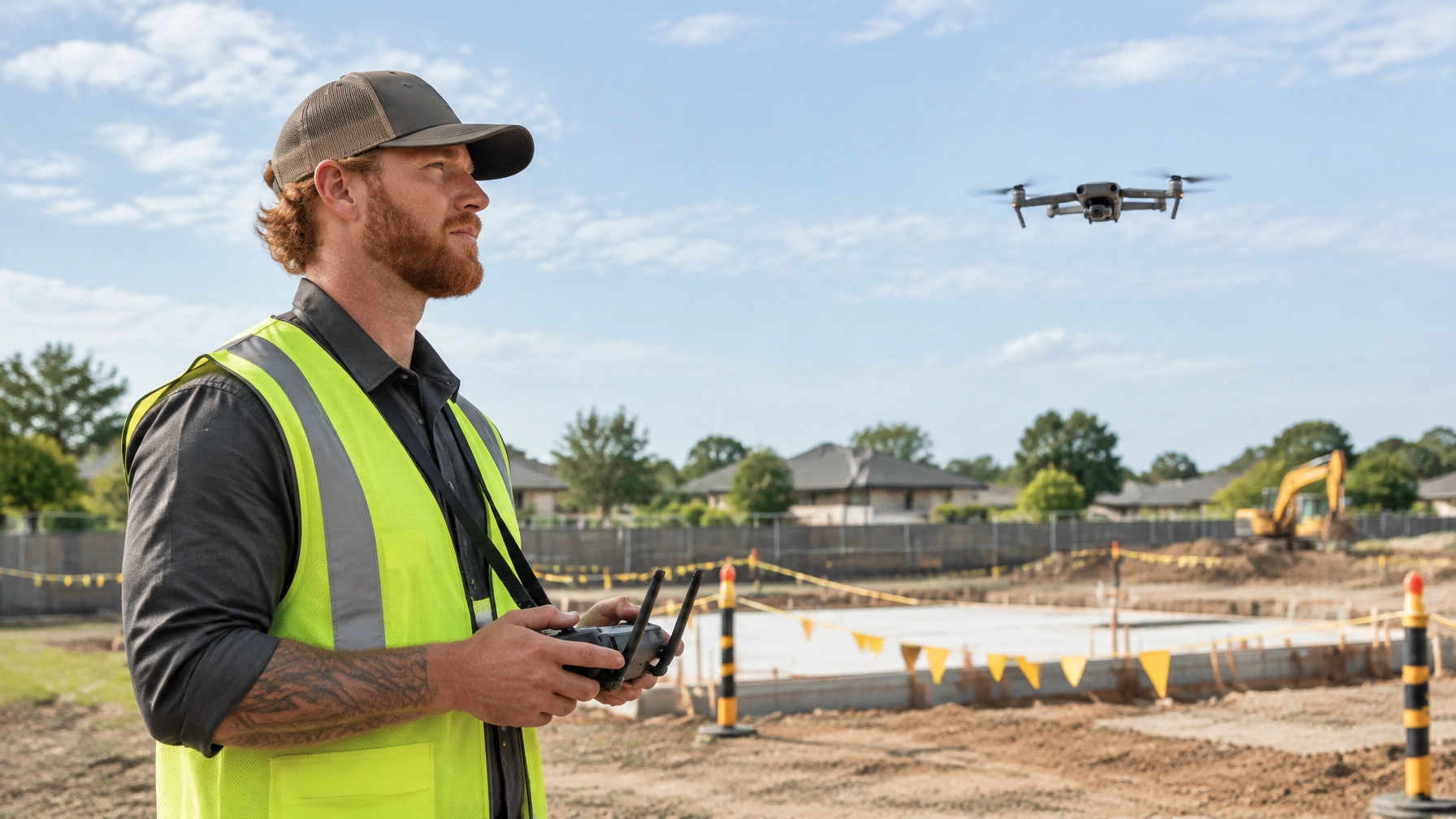
Examples of approachable first projects may include property images, construction progress photos or a visual check of accessible assets. The right job depends on the site, the client’s needs and the rules that apply.
Drone Licence Australia: find and qualify the right first job
Look for work through established operators, industry contacts, local businesses and specialist job platforms. Builders, property managers, farms, roofers and survey firms may need drone services. Introduce yourself with a short capability sheet that explains your training, equipment, service area, insurance and sample work.
Ace Aviation graduates can also explore DroneWork, a platform that connects pilots with commercial tasks and employers. It can help new pilots discover opportunities, but it doesn’t guarantee work or remove the need to assess each job.
Local networks can help you understand what clients need. In Brisbane, you might contact construction or property businesses. In Sydney, consider property, media and infrastructure contacts. In Melbourne, look at building and asset services. In Perth, explore construction, land and resource-related work. In Hobart, local property and land businesses may be a starting point.
Ace Aviation offers drone training in Brisbane, Sydney RePL training, Melbourne RePL training, a Perth drone pilot course and drone training in Hobart.
Before you agree, ask the client for the exact location, task, timing, requested images or data, access arrangements and deadline. Then check:
- Airspace and permissions: Review current CASA rules and airspace information. Confirm whether the planned flight needs an approval or other permission.
- Site conditions: Check nearby people, roads, buildings, aerodromes, obstacles and landowner or site access rules.
- Weather and daylight: Compare conditions with legal requirements, your risk assessment and the aircraft manufacturer’s limits. Set a clear rescheduling plan.
- Insurance and scope: Confirm your insurance covers the actual work. List deliverables, exclusions, data handling and any client responsibilities in writing.
For current guidance, review CASA’s drone information before the job. If you can’t confirm a safe, compliant plan, pause and clarify the work before accepting it.
Step-by-step: plan, quote and deliver
1. Define what the client is buying
Describe the result, not just flight time. For example, you could offer a set of agreed property images, a progress update or a visual record of selected assets. Specify the location, outputs, delivery format, editing, deadline and any limits.
Agree on what happens if weather, access or approvals prevent the flight. That small conversation can prevent a dispute later.
2. Quote from the real scope
Avoid guessing or copying another operator’s price. Estimate the work involved, including travel, preparation, approvals, time on site, image processing, equipment and delivery. Then offer a sensible range if key details remain uncertain.
For a clearly defined task, a fixed project fee may suit both parties. For work tied to a larger project, project value can help frame the discussion, but it should not replace a cost-and-scope assessment. There is no universal percentage that fits every drone job.
State assumptions, additional-work charges and cancellation terms in writing. If you need more information, explain what you need before giving a firm quote.
3. Prepare and communicate
Before arriving, review the brief and confirm site access, contacts and any required permissions. Make a flight plan and risk assessment that fit the specific location and task. Check your aircraft, batteries, controller and data storage.
On the day, tell the client when you arrive, where you’ll operate and what would cause you to delay or stop. Keep people away from the operating area and follow the required rules and approvals. A client asking for “one more shot” is not a reason to exceed your safe plan.

4. Hand over the work professionally
After the flight, check that the files are complete and usable. Deliver them in the agreed format, with a short note explaining what you captured and any limits. Keep a record of the job, including the site, date, aircraft, conditions, planning and any issues.
That record helps you improve your process. It also gives you a clear basis for future quotes and client questions.
Examples: make the first job manageable
Property images: Agree on the property boundary, access, intended use and the number and type of images. Check nearby people and site restrictions before flying.
Construction progress: Confirm the safe take-off area, site contact and requested viewpoints. Keep workers and vehicles clear of the operating area, and schedule around site activity.
Asset documentation: Identify which assets the client wants recorded and what the images should show. Don’t imply that aerial images replace a specialist inspection unless that is within your competence and the agreed service.
Each example needs its own site assessment. A familiar job type does not make every location or flight automatically suitable.
Common mistakes on the first paid job
- Accepting unclear instructions: Confirm the exact task and deliverables before you quote.
- Skipping site checks: Verify airspace, access, people, obstacles and any permissions.
- Promising a flight too early: Make timing subject to approvals, weather and safe conditions.
- Underestimating ground work: Allow for planning, travel, setup, editing and file handover.
- Ignoring insurance details: Check that your cover matches the aircraft and commercial activity.
- Failing to set limits: Put exclusions, cancellation terms and client responsibilities in writing.
- Overpromising the result: Explain what your equipment and skills can deliver. Don’t promise data or inspection outcomes you can’t verify.
- Leaving no record: Save your plan, communications, flight details and delivery notes.
Tools, training and professional habits
A consistent workflow makes it easier to manage enquiries, prepare jobs and keep compliance records. Ace Aviation’s DroneWork platform gives graduates a route to discover work while supporting a connected training-to-operations pathway. Still, the pilot and operator must check that each task is suitable and authorised.
Ace Aviation is a CASA-approved training provider, CASA.ReOC.1421, and has trained more than 4,000 students. Its training footprint spans Australia, Singapore, Dubai, Korea and Malaysia. The Ace Aviation approach connects training with practical pathways and ongoing support.
RePL training helps pilots build the skills and knowledge needed for professional operations. Ace Aviation’s Altitude+ student benefits program adds support for students as they develop their next steps. If you’re reviewing your training options, explore the drone licence and RePL information or browse Ace Aviation courses.

CASA considerations before a paid flight
A licence alone does not mean every commercial flight is permitted. Check the conditions that apply to you, your operator, aircraft, location and task. Some operations may require permissions or approvals, and local site rules may apply as well.
Use CASA’s current guidance and confirm details for the planned operation. If the job falls outside your experience or authority, ask the client to change the scope or refer the work to an appropriately qualified operator. Good judgement is part of professional service.
Frequently asked questions
1. What should I do first after getting my drone licence?
Prepare a capability sheet, identify suitable clients and build a clear process for checking each job. Start with work that fits your skills and operating requirements.
2. Where can I find my first paid drone job?
Try industry contacts, local businesses, established operators and drone job platforms. Ace Aviation graduates can explore DroneWork for opportunities.
3. What should I include in a drone job quote?
List the deliverables, location, preparation, travel, processing, timing, assumptions and cancellation terms. Explain what may change the final fee.
4. Should I charge by the hour or by the project?
Either can work. A fixed project quote suits a clear scope, while hourly or staged pricing may suit uncertain work. Explain the basis in advance.
5. Can I price a job as a percentage of project value?
Project value may help frame a discussion, but it is not a universal pricing formula. Base your quote on scope, costs, effort and the client’s requested outcome.
6. What if the client asks for a flight near an airport?
Check current airspace rules and any approval requirements before accepting. Don’t fly until you’ve confirmed the operation is permitted.
7. What if the weather changes on the day?
Follow your risk assessment and aircraft limits. If conditions make the flight unsafe or non-compliant, stop and use the agreed rescheduling terms.
8. Do I need insurance for commercial drone work?
Check your policy and client requirements before quoting. Confirm the cover applies to your aircraft, operation and location.
9. What should I put in writing for a first job?
Record the task, deliverables, dates, price, access, approvals, weather plan, data handling, cancellation terms and client responsibilities.
10. How can I build a portfolio without client work?
Create suitable sample work during lawful, safe practice flights. Label it as a sample and avoid presenting practice work as a paid client project.
11. Can I use my first job as a portfolio example?
Ask the client for permission first. Remove sensitive information and follow any privacy, contract or site rules.
12. What if a client wants work outside my experience?
Explain the limitation and offer a narrower scope or refer the task to a suitable operator. Don’t promise work you cannot safely deliver.
13. What should I hand over after the flight?
Send the agreed files or report, explain any limitations and confirm the delivery is complete. Keep a record of the work and flight details.
14. Does having a RePL mean I can perform any commercial operation?
No. The operation must also meet applicable rules, operator conditions and any approval requirements. Check the details for each job.
15. How can Ace Aviation support a new pilot?
Ace Aviation provides RePL training, Altitude+ student benefits and access to DroneWork opportunities. Explore training and booking options to plan your next step.
Summary
Your first commercial job is a chance to prove your professionalism, build a portfolio and earn trust. Choose a manageable task, define the scope, check the requirements, plan for changing conditions and hand over the work clearly. Then ask for feedback and permission to share the result.
Ready to start? Book your training at aaa.edu.au or call 1300 336 366.
{“@graph”:[{“@id”:”https://aaa.edu.au/#organization”,”url”:”https://aaa.edu.au/”,”name”:”Ace Aviation Aerospace Academy”,”@type”:”Organization”,”telephone”:”+61-1300-336-366″,”description”:”CASA-approved aviation training provider offering professional drone pilot training and certification.”},{“@id”:”https://aaa.edu.au/blog/drone-licence-australia-first-commercial-job-playbook#article”,”@type”:”Article”,”image”:”https://cdn.marblism.com/wb1KbQ8eEO1.webp”,”author”:{“name”:”Ace Aviation Aerospace Academy”,”@type”:”Organization”},”headline”:”Drone Licence Australia 2026: The First Commercial Job Playbook for New Drone Pilots”,”keywords”:[“drone licence australia”,”first commercial drone job”,”drone pilot career Australia”],”publisher”:{“@id”:”https://aaa.edu.au/#organization”},”inLanguage”:”en-AU”,”description”:”A practical guide to finding, planning and delivering a first commercial drone job in Australia.”,”dateModified”:”2026-10-19″,”datePublished”:”2026-10-19″,”mainEntityOfPage”:{“@id”:”https://aaa.edu.au/blog/drone-licence-australia-first-commercial-job-playbook”,”@type”:”WebPage”}},{“@id”:”https://aaa.edu.au/blog/drone-licence-australia-first-commercial-job-playbook#faq”,”@type”:”FAQPage”,”mainEntity”:[{“name”:”What should I do first after getting my drone licence?”,”@type”:”Question”,”acceptedAnswer”:{“text”:”Prepare a capability sheet, identify suitable clients and build a process for checking each job. Start with work that fits your skills and operating requirements.”,”@type”:”Answer”}},{“name”:”Where can I find my first paid drone job?”,”@type”:”Question”,”acceptedAnswer”:{“text”:”Try industry contacts, local businesses, established operators and drone job platforms. Ace Aviation graduates can explore DroneWork for opportunities.”,”@type”:”Answer”}},{“name”:”What should I include in a drone job quote?”,”@type”:”Question”,”acceptedAnswer”:{“text”:”List deliverables, location, preparation, travel, processing, timing, assumptions and cancellation terms. Explain what may change the final fee.”,”@type”:”Answer”}},{“name”:”Should I charge by the hour or by the project?”,”@type”:”Question”,”acceptedAnswer”:{“text”:”Either can work. A fixed project quote suits a clear scope, while hourly or staged pricing may suit uncertain work. Explain the basis in advance.”,”@type”:”Answer”}},{“name”:”Can I price a job as a percentage of project value?”,”@type”:”Question”,”acceptedAnswer”:{“text”:”Project value may help frame a discussion, but it is not a universal pricing formula. Base your quote on scope, costs, effort and the requested outcome.”,”@type”:”Answer”}},{“name”:”What if the client asks for a flight near an airport?”,”@type”:”Question”,”acceptedAnswer”:{“text”:”Check current airspace rules and any approval requirements before accepting. Do not fly until you have confirmed the operation is permitted.”,”@type”:”Answer”}},{“name”:”What if the weather changes on the day?”,”@type”:”Question”,”acceptedAnswer”:{“text”:”Follow your risk assessment and aircraft limits. If conditions make the flight unsafe or non-compliant, stop and use the agreed rescheduling terms.”,”@type”:”Answer”}},{“name”:”Do I need insurance for commercial drone work?”,”@type”:”Question”,”acceptedAnswer”:{“text”:”Check your policy and client requirements before quoting. Confirm the cover applies to your aircraft, operation and location.”,”@type”:”Answer”}},{“name”:”What should I put in writing for a first job?”,”@type”:”Question”,”acceptedAnswer”:{“text”:”Record the task, deliverables, dates, price, access, approvals, weather plan, data handling, cancellation terms and client responsibilities.”,”@type”:”Answer”}},{“name”:”How can I build a portfolio without client work?”,”@type”:”Question”,”acceptedAnswer”:{“text”:”Create suitable sample work during lawful, safe practice flights. Label it as a sample and do not present practice work as a paid client project.”,”@type”:”Answer”}},{“name”:”Can I use my first job as a portfolio example?”,”@type”:”Question”,”acceptedAnswer”:{“text”:”Ask the client for permission first. Remove sensitive information and follow privacy, contract and site rules.”,”@type”:”Answer”}},{“name”:”What if a client wants work outside my experience?”,”@type”:”Question”,”acceptedAnswer”:{“text”:”Explain the limitation and offer a narrower scope or refer the task to a suitable operator. Do not promise work you cannot safely deliver.”,”@type”:”Answer”}},{“name”:”What should I hand over after the flight?”,”@type”:”Question”,”acceptedAnswer”:{“text”:”Send the agreed files or report, explain any limitations and confirm delivery. Keep a record of the work and flight details.”,”@type”:”Answer”}},{“name”:”Does having a RePL mean I can perform any commercial operation?”,”@type”:”Question”,”acceptedAnswer”:{“text”:”No. The operation must also meet applicable rules, operator conditions and approval requirements. Check the details for each job.”,”@type”:”Answer”}},{“name”:”How can Ace Aviation support a new pilot?”,”@type”:”Question”,”acceptedAnswer”:{“text”:”Ace Aviation provides RePL training, Altitude+ student benefits and access to DroneWork opportunities.”,”@type”:”Answer”}}]}],”@context”:”https://schema.org”}