The landscape of Australian aviation is currently undergoing a radical metamorphosis, driven by the rapid evolution of uncrewed aerial systems. We are witnessing a pivotal moment where the traditional boundaries of drone operation are being dismantled, revolutionising how industries collect data, monitor assets, and deliver goods. For the professional pilot, this transformation is encapsulated in a single, high-impact acronym: BVLOS.
Beyond Visual Line of Sight (BVLOS) operations represent the ultimate frontier for the drone industry. While standard commercial operations require the pilot to maintain a direct, unaided visual connection with the aircraft, BVLOS unshackles the technology, allowing drones to traverse hundreds of kilometres, cross rugged terrain, and navigate complex industrial corridors: all while the pilot remains stationed in a remote command centre. In 2026, this capability is no longer a futuristic concept; it is the primary engine of growth for the commercial sector.
Unveiling the New Standard: Why BVLOS is the Future
For years, the “visual line of sight” requirement acted as a technological umbilical cord, restricting the efficiency and scale of drone missions. By cutting this cord through advanced BVLOS training, pilots are unlocking a level of operational freedom that was previously reserved for crewed aviation. This shift is not merely a technical upgrade. It is a fundamental change in the economic viability of drone technology across the globe.
The significance of this movement cannot be overstated. As a CASA-approved training provider, Ace Aviation Aerospace Academy has watched this trend accelerate. We have trained over 4,000 students, and the most common question we hear today is no longer “How do I fly?” but “How do I fly further?” The answer lies in the mastery of advanced risk assessments and high-level certification.

The Economic Impact: Elevating Your Earning Potential
The professional impact of BVLOS training is most visible in the significant shift in salary structures within the industry. As we progress through 2026, the demand for “standard” drone pilots has stabilised, while the demand for certified BVLOS specialists has reached a fever pitch.
In the current Australian market, a pilot holding a standard Remote Pilot Licence (RePL) is a vital asset. However, those who append a BVLOS rating to their credentials enter a whole new echelon of compensation.
Earning Tiers in the 2026 Drone Market:
- Junior Pilot (VLOS Only): AUD 65,000 – 85,000. These roles typically focus on local photography, basic inspections, and small-scale surveying.
- Specialist BVLOS Pilot: AUD 95,000 – 140,000. These operators are responsible for long-range missions in mining, utilities, and infrastructure.
- Chief Remote Pilot / BVLOS Operations Manager: AUD 150,000+. These high-level professionals manage complex compliance frameworks, such as AusSORA, and oversee large fleets of autonomous aircraft.
The reason for this pay gap is simple: BVLOS operations provide exponentially more value to the client. A single BVLOS-certified pilot can inspect 50 kilometres of power lines in a single session, a task that would take a VLOS team days of repositioning and manual labour. Companies are willing to pay a premium for this efficiency.

High-Demand Sectors: Where the Opportunities Reside
The transition to BVLOS is being spearheaded by industries that manage vast, linear assets or operate in remote, hazardous environments. If you are looking to maximise your career ROI, these are the sectors currently vying for BVLOS-trained talent:
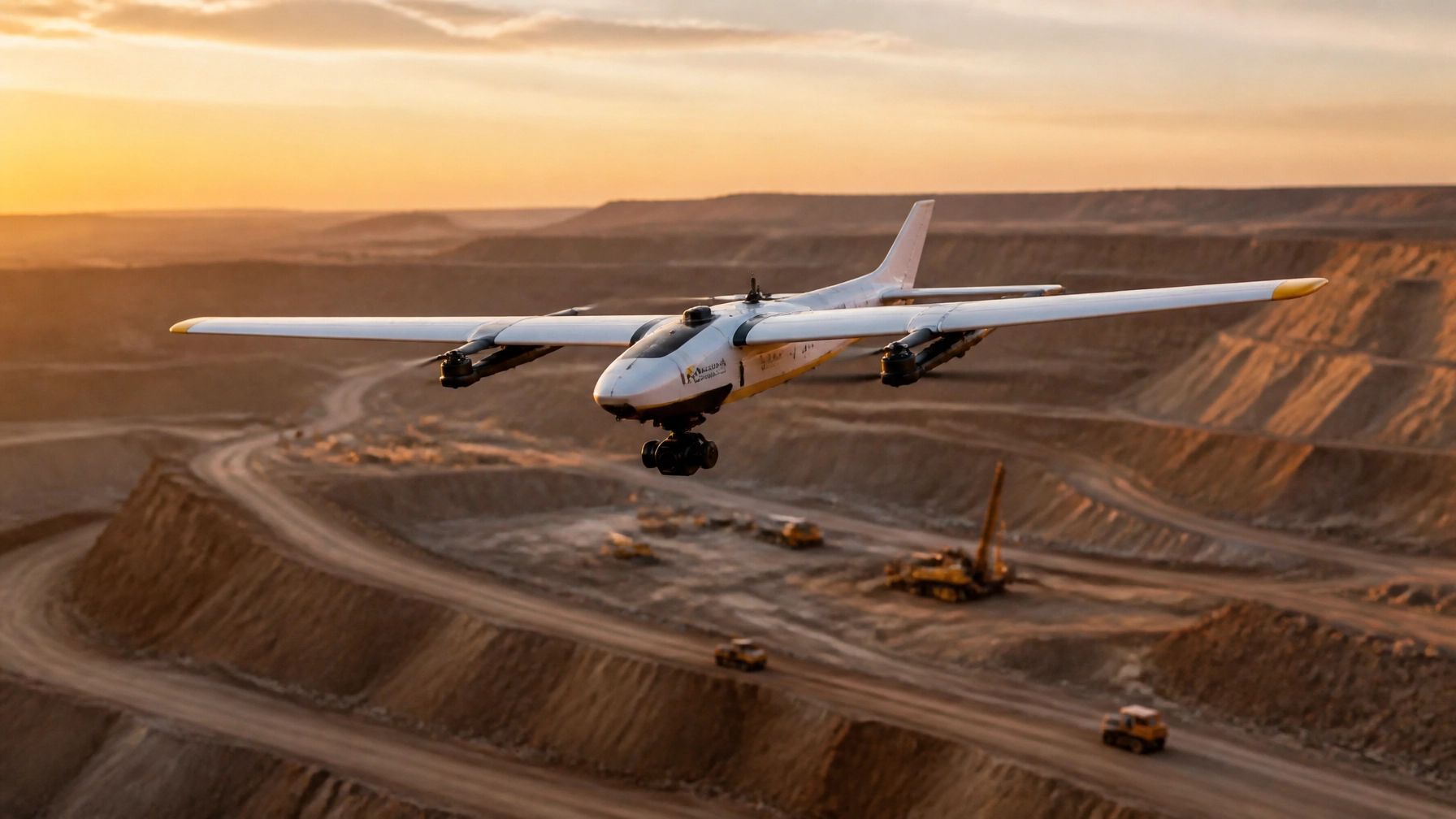
- Mining and Resources: In the vast landscapes of Western Australia and Queensland, BVLOS drones are used for pit mapping, stockpile calculations, and safety monitoring. They operate autonomously over massive areas, reducing the need for personnel to enter dangerous zones.
- Utilities and Infrastructure: Power grid operators are shifting from expensive helicopter inspections to long-range drones. This transition is saving millions in operational costs while improving the safety of the network.
- Agriculture and Environmental Monitoring: Large-scale farms use BVLOS drones for precision crop spraying and multispectral mapping. One pilot can monitor thousands of hectares from a central hub, ensuring every litre of water or fertiliser is used with maximum efficiency.
- Logistics and Medical Delivery: While still in its scaling phase, the delivery of high-value medical supplies: such as blood and vaccines: to regional communities relies entirely on BVLOS capabilities.

Navigating the Regulatory Landscape: RePL, IREX, and AusSORA
Establishing a career in the BVLOS space requires more than just flying skill; it requires a deep understanding of the regulatory hurdles set by the Civil Aviation Safety Authority (CASA). The path to becoming a professional BVLOS operator is structured and demanding, designed to ensure that the integration of uncrewed aircraft into shared airspace is safe and seamless.
The Certification Pathway:
- Remote Pilot Licence (RePL): Your foundational qualification. This is the mandatory starting point for any commercial drone career in Australia.
- Aeronautical Radio Operator Certificate (AROC): To operate in complex airspace, you must be able to communicate with crewed aircraft and air traffic control. Our AROC course is essential for anyone looking beyond simple hobbyist flights.
- The BVLOS Rating: This requires passing the CASA IREX (Instrument Rating Examination) or the specialized PEXO BVLOS exam. It demonstrates your ability to operate an aircraft solely by reference to instruments.
- AusSORA Compliance: The Australian Specific Operations Risk Assessment (AusSORA) is the framework used to justify high-risk missions. Mastering this process is what separates a “pilot” from a “mission commander.”
While these requirements may seem like barriers, they are actually your greatest allies. They serve as a filter, ensuring that only the most dedicated and professional operators enter the high-value market. Proper education through an accredited provider like Ace Aviation ensures you don’t just “pass the test”: you master the standards required to lead the industry.

A Vision for the Future: Responsibility and Community
As we embrace these technological advancements, we must also acknowledge our broader responsibility to the community and the environment. BVLOS operations are not just about profit; they are about sustainability. By replacing heavy helicopters and ground vehicles with efficient, electric-powered drones, we are significantly reducing the carbon footprint of industrial inspections.
Furthermore, BVLOS technology is a lifeline for regional communities. Whether it is assessing bushfire damage from a safe distance or delivering emergency supplies during floods, the work of a professional drone pilot has a direct, positive impact on society. By choosing this career path, you are becoming part of a movement that prioritises safety, efficiency, and social responsibility.
Conclusion: Partnering for Success
The world is changing, and the drone industry is leading the charge. In 2026, the question is no longer whether you should get certified, but how quickly you can adapt to the new standards of the industry. Why BVLOS training will change the way you work? Because it offers you a seat at the table of the most significant technological revolution of our time.
At Ace Aviation Aerospace Academy, we are committed to being your partner in this journey. We don’t just provide training; we provide a pathway to a lifelong career. Whether you are a hobbyist looking to turn pro or a corporate client needing to certify your staff, our CASA-approved courses are designed to meet the highest professional standards.
Are you ready to transcend the visual horizon? Explore our BVLOS – OCTA Course today and start your journey toward a high-earning, future-proof career in aviation.