Meta description: Discover why companies choose a drone licence Australia pathway, RePL training and in-house teams. Plan your compliant program today.
Short Direct Answer: Why are companies building in-house drone teams?
Corporate drone training prepares employees to plan, operate and manage drones safely for business work. Companies build in-house teams to reduce contractor costs, improve response times, protect data and develop a compliant capability that can grow with the business.
For many organisations, a drone licence Australia pathway includes Remote Pilot Licence (RePL) training for pilots. Larger programs may also need a Remote Operator’s Certificate (ReOC), documented procedures and a trained Chief Remote Pilot.
Detailed Explanation: What is corporate drone training?
Corporate drone training is more than sending one employee to complete a course. It creates a repeatable operating capability inside your organisation.
A well-designed program can cover:
- RePL training for nominated pilots.
- Aeronautical Radio Operator Certificate (AROC) training.
- Fleet familiarisation on your aircraft.
- Mission planning and pre-flight procedures.
- Risk assessment and emergency response.
- Data capture, storage and reporting.
- Operations manual development.
- ReOC preparation and support.
- Refresher training and pilot currency.
- A pathway into advanced work, such as BVLOS operations.
The aim is simple. Your team should be able to complete useful missions safely, consistently and within the rules.
For example, a civil contractor may use drones for progress reports, stockpile measurements and site inspections. A utility company may inspect assets without sending staff into difficult areas. A property group may capture repeatable roof, façade and construction data.
In each case, the drone is only one part of the solution. The people, procedures, data systems and approvals matter just as much.
Why is an in-house drone team valuable?
Businesses often begin with outsourced drone services. That can work for occasional projects. However, outsourcing every flight may become expensive when the work is frequent or time-sensitive.
An in-house team can provide several advantages:
-
Faster deployment
Trained employees can respond when a site issue appears. -
Better operational knowledge
Internal pilots understand the asset, worksite and business objective. -
Stronger data control
Sensitive survey, infrastructure or security data can remain within approved systems. -
Repeatable results
The same team can follow the same capture plan across multiple sites. -
Lower long-term costs
Frequent missions may become more efficient when the capability sits inside the business. -
More career development
Staff can build aviation, safety and technical skills. -
Greater commercial flexibility
A business may develop new services after it understands its own capability.
Still, an in-house team must not treat a RePL as a complete compliance system. A licence confirms a pilot’s competence. It does not automatically approve every mission, aircraft or operating environment.
What does a commercial drone licence Australia pathway include?
The phrase “commercial drone licence Australia” often refers to the RePL. Technically, the RePL is the individual pilot licence. The company’s operating approval is separate.
A corporate pathway may therefore include:
- An Aviation Reference Number (ARN) for relevant people.
- RePL training for pilots.
- Aircraft registration through CASA.
- Operator accreditation where applicable.
- A company ReOC for structured operations.
- A Chief Remote Pilot (CRP).
- An operations manual.
- Safety and risk management procedures.
- Maintenance and battery controls.
- Flight records and incident reporting.
- Additional approvals for advanced operations.
The correct pathway depends on the aircraft, location and mission. It also depends on whether the business will fly within standard operating conditions.
Before launching a program, review the current CASA RePL requirements. CASA rules and guidance can change.
Key Facts Table: Excluded category vs RePL-only vs in-house ReOC team
| Pathway | Best suited to | Typical requirements | Main strengths | Main limitations |
|---|---|---|---|---|
| Excluded category | Occasional, lower-risk work with suitable small drones | Commercial registration, operator accreditation where required, VLOS, height and airspace limits, and other standard conditions | Simple entry pathway for limited operations | Restricted mission types; no broad company operating approval; limited ability to scale |
| RePL-only pathway | Businesses with qualified pilots working within allowed conditions or under another operator | Each relevant pilot holds a RePL; aircraft and operations must still comply with CASA rules | Builds internal pilot capability and supports larger aircraft or professional work | A RePL does not authorise the company to operate every mission; the business may still need a ReOC |
| In-house ReOC team | Multi-pilot, multi-site and enterprise operations | Company ReOC, RePL pilots, nominated CRP, operations manual, safety systems, records and ongoing oversight | Creates a structured company capability and supports applications for more complex operations | More planning, governance and ongoing compliance responsibility |
The table is a guide, not a legal determination. Your training provider should assess your proposed operations before recommending a pathway.
A business may also use more than one pathway. For example, its core team may operate under a ReOC, while occasional staff complete limited training for low-risk support tasks.
Seven steps to build an in-house drone capability
Step 1: Define the business case
Start with the work, not the aircraft.
List the tasks your organisation wants to complete. These may include:
- Construction progress capture.
- Roof and façade inspections.
- Surveying and mapping.
- Asset monitoring.
- Emergency response.
- Stockpile measurement.
- Agricultural assessment.
- Thermal inspection.
- Security support.
- Environmental monitoring.
Then estimate the number of missions, sites, pilots and aircraft. Identify the value of faster information.
At this stage, compare internal delivery with outsourcing. Include training, equipment, insurance, maintenance, software and staff time. A simple business case can prevent expensive equipment purchases later.
Step 2: Map the regulatory environment
Next, identify the conditions around your proposed work.
Consider:
- Aircraft weight and type.
- Visual line of sight.
- Night operations.
- Controlled airspace.
- Built-up areas.
- People and property near the operation.
- Worksites with moving vehicles or machinery.
- BVLOS requirements.
- Sensitive or restricted locations.
- Privacy and data obligations.
A mission near an active construction site may have more risk than a mission over an isolated rural area. Your procedures must reflect the real environment.
Step 3: Choose and train the pilot group
Do not train only one person if the business depends on regular drone work. A single pilot creates a continuity risk when that person is unavailable.
Many companies create a small team with different roles:
- Primary pilots conduct regular operations.
- Relief pilots maintain continuity.
- Data specialists process imagery and reports.
- Site supervisors manage local worksite controls.
- Managers oversee budgets, risk and performance.
- The CRP controls operational safety under the ReOC.
A suitable corporate drone training program can combine classroom learning with practical assessment. It can also align training with your aircraft, sites and planned missions.
Step 4: Select the aircraft and operating system
Avoid choosing a drone only because it has a strong camera. The right aircraft must suit the job.
Assess:
- Payload and sensor needs.
- Flight time.
- Weather resistance.
- Battery management.
- Manufacturer support.
- Repair options.
- Data security.
- Remote identification features.
- Compatibility with mapping or inspection software.
- Transport and storage requirements.
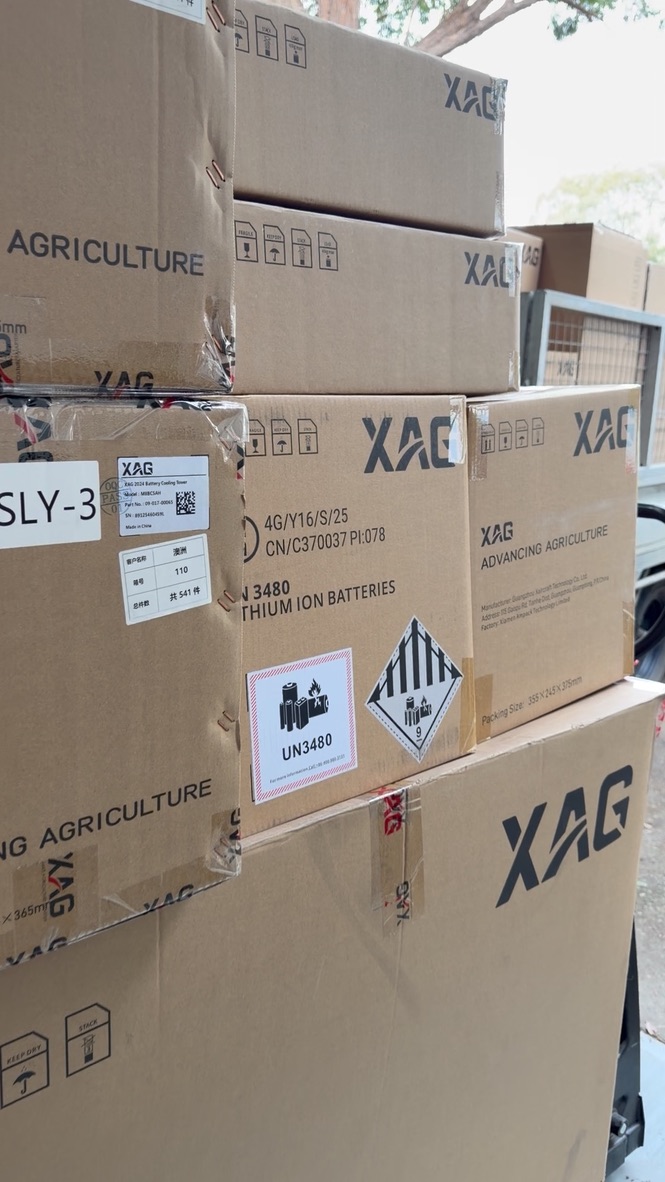
Corporate teams may use different aircraft for different tasks. A compact drone can support quick inspections. A larger enterprise platform may support thermal, zoom or surveying payloads.
Ace Aviation also supports enterprise fleet planning through its corporate offering. This can help organisations consider training, equipment and compliance as one investment.
Step 5: Build procedures and governance
A professional drone program needs clear procedures. These procedures should be easy for employees to follow.
Common documents include:
- Pre-flight and post-flight checklists.
- Site risk assessments.
- Mission approval forms.
- Weather and airspace checks.
- Battery inspection records.
- Aircraft maintenance records.
- Pilot competency records.
- Emergency response procedures.
- Privacy and data handling rules.
- Incident and occurrence reporting procedures.
If the company intends to obtain a ReOC, the operations manual becomes a central document. Read Ace Aviation’s guide to ReOC in Australia for an overview of the certificate, operations manual and CRP role.
Good documentation should reflect actual work. Avoid copying procedures that your team cannot follow in the field.
Step 6: Establish the ReOC pathway when needed
A ReOC is the company-level certificate for operating remotely piloted aircraft. It is different from the RePL.
A company may need its own ReOC when it wants to:
- Employ and manage several pilots.
- Hold its own operational approvals.
- Conduct structured commercial operations.
- Develop a formal aviation management system.
- Apply for more complex operating permissions.
- Bid for work that requires company-level aviation governance.
The company must nominate a CRP. This person oversees operational safety, pilot competency, procedures and compliance.
Ace Aviation operates under CASA.ReOC.1421 and supports businesses that are building structured drone capabilities. ReOC preparation should be treated as a serious aviation project, not a quick paperwork exercise.
Step 7: Measure performance and keep the team current
A drone program should improve over time.
Track useful measures such as:
- Missions completed.
- Rework avoided.
- Inspection time saved.
- Contractor costs reduced.
- Safety observations.
- Equipment downtime.
- Data delivery time.
- Pilot currency.
- Incidents and near misses.
- Internal customer satisfaction.
Also schedule refresher training. Pilots need practice, even when they hold a current licence. The company should review procedures after changes to aircraft, software, worksites or legislation.
Mini case studies: What in-house teams can achieve
The following snapshots are anonymised examples of the types of outcomes corporate teams pursue. Client names and operational details are withheld.
| Organisation type | Initial challenge | In-house team outcome |
|---|---|---|
| Brisbane civil contractor | Project managers relied on ad hoc external imagery for progress updates | Trained site staff captured repeatable progress data and delivered faster internal reports |
| Sydney solar asset manager | Inspection scheduling depended on contractor availability | A small qualified team supported planned inspections and escalated defects earlier |
| Melbourne property group | Multiple assets needed consistent roof and façade records | Internal pilots followed standard capture plans across properties |
| Perth mining services firm | Remote sites created long inspection lead times | A structured team combined site knowledge with aviation procedures for better planning |
| Hobart council | Several departments wanted access to drone capability | A central process improved equipment control, pilot allocation and mission approval |
These outcomes do not come from the licence alone. They come from training, systems and management support.
For organisations in Brisbane, Sydney, Melbourne, Perth and Hobart, delivery can be designed around local sites and operational needs.
How student success supports corporate outcomes
Corporate training also creates a stronger professional pathway for employees.
Ace Aviation has trained more than 4,000 students and delivers training across Australia and internationally. Its global footprint includes Singapore, Dubai, Korea and Malaysia.
The Altitude+ program extends the value beyond the classroom. Depending on the student pathway, benefits may include ongoing support, industry resources, development opportunities and access to the wider Ace Aviation ecosystem.
The DroneWork job board can also connect trained people with commercial opportunities. For a company, this creates a potential recruitment and capability pipeline. It can help identify staff who want to move into drone operations or help organisations source experienced personnel.
Some employees may also choose the Certificate III in Aviation, delivered by Ace Aviation in partnership with Reach Community College. This formal qualification can support broader aviation and workplace development.
Ace Aviation’s training model has also been recognised through the 2023 AVTA quality training award. The focus remains practical: prepare people for safe, professional work.

Common mistakes companies make
1. Buying aircraft before defining the mission
A drone purchase should follow a clear operational requirement. Otherwise, the company may buy equipment that cannot perform the intended work.
2. Training one person only
One pilot may be enough for a trial. It is rarely enough for a dependable enterprise program.
3. Treating RePL as company approval
The RePL belongs to the individual pilot. It does not replace company procedures, aircraft registration or a ReOC where one is required.
4. Ignoring site-specific hazards
A standard checklist cannot replace a proper assessment. Powerlines, cranes, vehicles, people, animals and changing weather can alter the risk.
5. Forgetting data governance
Drone imagery may contain personal, commercial or security-sensitive information. Define who can access, store, share and delete the data.
6. Underestimating battery and maintenance controls
Battery damage can create serious safety risks. Record battery condition, charging practices and storage arrangements.
7. Promising advanced operations too early
BVLOS, night flights and controlled-airspace operations need additional planning and approval. Do not advertise a capability before the company can legally deliver it.
8. Measuring flights instead of business value
A high flight count does not prove success. Measure the time, cost, safety and decision-making benefits.
9. Selecting training on price alone
The cheapest course may not address your aircraft, worksite or company governance. Compare the provider’s CASA approval, experience, practical delivery and post-training support.
Companies may compare providers such as National Drones, iDrone Train, Aviassist, Global Drone Solutions and Ace Aviation. The right choice depends on the organisation’s mission, locations, support needs and compliance pathway.
CASA considerations for 2026
CASA’s rules apply to business operations, including internal company work. A flight does not become recreational because no customer is being charged.
Before each mission, confirm:
- The pilot has the correct qualification.
- The aircraft is registered where required.
- The operator holds the required approval.
- The flight remains within approved conditions.
- The pilot has checked airspace and local hazards.
- People and property are protected.
- The aircraft is fit to fly.
- The mission has been approved internally.
- Records will be retained.
- Incidents will be reported correctly.
The excluded category can suit some low-risk operations. However, it has strict limits. It may not support the growth, consistency or authorisation needs of a larger company.
A ReOC does not mean every flight is automatically approved. The company must operate within its certificate, manual and approved conditions.
Businesses should also consider:
- Work health and safety laws.
- Privacy obligations.
- Landowner permissions.
- Local council rules.
- Insurance requirements.
- Client contract terms.
- Critical infrastructure requirements.
- Environmental and cultural heritage concerns.
For controlled airspace work, pilots may need AROC training. For advanced operations, additional competencies or approvals may apply.
Rules can change. Therefore, obtain current advice from CASA and your training or aviation compliance provider before starting operations.
Frequently asked questions
1. What is the best drone licence Australia pathway for a company?
Most companies start by defining their missions and then training several staff members through a RePL pathway. A ReOC may be suitable when the organisation manages multiple pilots, aircraft, sites or complex operations.
2. Does every employee need a RePL?
Not always. However, regular business pilots should hold the qualification appropriate to their aircraft and operations. Occasional staff may follow a different pathway if their work remains within applicable CASA conditions.
3. Is a ReOC the same as a RePL?
No. A RePL is an individual pilot licence. A ReOC is a company-level operator certificate.
4. Can a business fly commercially without a ReOC?
Some commercial operations may occur within the excluded category or under another operator’s ReOC. The business must still follow all applicable CASA requirements. A company seeking its own structured capability will often consider a ReOC.
5. What does corporate RePL training involve?
It normally includes aviation law, meteorology, navigation, human factors, aircraft systems, risk management and practical flight assessment. Training can also be tailored to the company’s aircraft and work environment.
6. How much does a commercial drone licence Australia course cost?
The casa repl cost varies by provider, location, course scope and aircraft class. Corporate programs may also include travel, equipment, site delivery, AROC, advanced training and compliance support. Request a written quote based on your planned operation.
7. Can Ace Aviation train our team at our worksite?
Yes. Ace Aviation’s corporate model supports on-site delivery across Australia. The program can be shaped around your candidates, aircraft, locations and intended missions.
8. Is a drone course Brisbane suitable for corporate teams?
Yes. A drone course in Brisbane can support local teams, while corporate delivery may also be arranged at a suitable worksite.
9. Can we arrange a drone course Melbourne for several employees?
Yes. A drone course in Melbourne can be planned for groups with different levels of experience. The provider should confirm the aircraft and operational needs before delivery.
10. Does a drone course Sydney cover urban operating risks?
A course can introduce urban risks, but each mission still requires its own assessment. A drone course in Sydney may be followed by site-specific procedures for buildings, roads, people and controlled airspace.
11. Is there a drone pilot course Perth for mining services teams?
Yes. A drone pilot course in Perth can be aligned with mining, resources, construction and inspection work. Remote and high-consequence sites need additional operational planning.
12. Can organisations arrange drone training Hobart programs?
Yes. Drone training in Hobart can support councils, contractors, land managers and local businesses. The delivery plan should account for weather, terrain and local operating environments.
13. How does DroneWork help corporate teams?
DroneWork provides a job and opportunity pathway within the Ace Aviation ecosystem. Organisations can use it to identify potential talent, while trained pilots can explore commercial work.
14. What is the Altitude+ program?
Altitude+ is an Ace Aviation student benefits program. It is designed to extend support beyond the initial course and connect students with wider learning, industry and professional opportunities.
15. Can the company train a Chief Remote Pilot?
Corporate training can support CRP preparation, operations manual development and ReOC planning. The nominated person must still meet the relevant competency and assessment requirements.
16. Does the Certificate III in Aviation replace the RePL?
No. The Certificate III in Aviation is a formal qualification. The RePL is the pilot licence for remote aircraft operations. They serve different purposes and may complement each other.
17. Can an in-house team conduct BVLOS operations?
Not automatically. BVLOS operations require specific training, procedures, approvals and authorisations. A ReOC may be part of the pathway, but it does not by itself approve BVLOS flights.
18. How many pilots should a company train?
The number depends on flight frequency, locations, rosters and business continuity needs. Many organisations begin with a primary and relief pilot, then expand as demand grows.
19. What should we ask a corporate training provider?
Ask about CASA approval, practical delivery, aircraft classes, corporate experience, site training, ReOC support, AROC options, refresher training and post-course assistance.
20. Is Ace Aviation CASA-approved?
Ace Aviation is a CASA-approved training provider. It operates under CASA.ReOC.1421 and supports training and compliance pathways for professional and enterprise drone operations.
Summary: Build capability, not just qualifications
A corporate drone program can improve inspection speed, data quality, safety and operational control. However, the strongest results come from a complete system.
That system includes:
- A clear business case.
- Trained and current pilots.
- Suitable aircraft.
- Practical procedures.
- Data governance.
- Risk management.
- ReOC planning where required.
- A capable CRP.
- Ongoing support and development.
Ace Aviation combines CASA-approved training with enterprise delivery, compliance support and industry pathways. Its experience includes more than 4,000 students, international training locations, the Altitude+ program, DroneWork and corporate programs designed around real worksites.
Whether you need a local course or a national enterprise rollout, the first step is to define what your team needs to achieve.
Ready to start? Book your training at aaa.edu.au or call 1300 336 366.
{“@graph”:[{“@id”:”https://aaa.edu.au/blog/drone-licence-australia-corporate-drone-training-2026#article”,”@type”:”Article”,”image”:”https://aaa.edu.au/assets/image_1783082568536.webp”,”author”:{“name”:”Ace Aviation Aerospace Academy”,”@type”:”Organization”},”headline”:”Drone Licence Australia 2026: Corporate Drone Training — Why Smart Companies Are Building In-House Drone Teams”,”keywords”:[“drone licence australia”,”commercial drone licence australia”,”corporate drone training”,”in-house drone team”,”enterprise drone training”,”RePL”,”ReOC”],”publisher”:{“url”:”https://aaa.edu.au/”,”name”:”Ace Aviation Aerospace Academy”,”@type”:”Organization”},”description”:”Discover why companies choose a drone licence Australia pathway, RePL training and in-house teams to build safe, compliant enterprise drone capability.”,”dateModified”:”2026-09-19″,”datePublished”:”2026-09-19″,”mainEntityOfPage”:{“@id”:”https://aaa.edu.au/blog/drone-licence-australia-corporate-drone-training-2026″,”@type”:”WebPage”}},{“@id”:”https://aaa.edu.au/#organization”,”url”:”https://aaa.edu.au/”,”name”:”Ace Aviation Aerospace Academy”,”@type”:”Organization”,”sameAs”:[“https://aaa.edu.au/why-ace”,”https://aaa.edu.au/courses”],”telephone”:”+61 1300 336 366″,”description”:”CASA-approved aviation training provider delivering professional drone pilot training, RePL, AROC, Certificate III in Aviation and enterprise drone training.”},{“@id”:”https://aaa.edu.au/blog/drone-licence-australia-corporate-drone-training-2026#faq”,”@type”:”FAQPage”,”mainEntity”:[{“name”:”What is the best drone licence Australia pathway for a company?”,”@type”:”Question”,”acceptedAnswer”:{“text”:”Most companies start by defining their missions and training several staff members through a RePL pathway. A ReOC may be suitable when the organisation manages multiple pilots, aircraft, sites or complex operations.”,”@type”:”Answer”}},{“name”:”Does every employee need a RePL?”,”@type”:”Question”,”acceptedAnswer”:{“text”:”Not always. Regular business pilots should hold the qualification appropriate to their aircraft and operations. Occasional staff may follow a different pathway if their work remains within applicable CASA conditions.”,”@type”:”Answer”}},{“name”:”Is a ReOC the same as a RePL?”,”@type”:”Question”,”acceptedAnswer”:{“text”:”No. A RePL is an individual pilot licence. A ReOC is a company-level operator certificate.”,”@type”:”Answer”}},{“name”:”Can a business fly commercially without a ReOC?”,”@type”:”Question”,”acceptedAnswer”:{“text”:”Some commercial operations may occur within the excluded category or under another operator’s ReOC. The business must still follow all applicable CASA requirements.”,”@type”:”Answer”}},{“name”:”What does corporate RePL training involve?”,”@type”:”Question”,”acceptedAnswer”:{“text”:”Corporate RePL training normally includes aviation law, meteorology, navigation, human factors, aircraft systems, risk management and practical flight assessment.”,”@type”:”Answer”}},{“name”:”How much does a commercial drone licence Australia course cost?”,”@type”:”Question”,”acceptedAnswer”:{“text”:”The cost varies by provider, location, course scope and aircraft class. Corporate programs may also include travel, equipment, site delivery, AROC, advanced training and compliance support.”,”@type”:”Answer”}},{“name”:”Can Ace Aviation train our team at our worksite?”,”@type”:”Question”,”acceptedAnswer”:{“text”:”Yes. Ace Aviation supports on-site corporate delivery across Australia. Programs can be shaped around candidates, aircraft, locations and intended missions.”,”@type”:”Answer”}},{“name”:”Can organisations arrange drone training in Hobart?”,”@type”:”Question”,”acceptedAnswer”:{“text”:”Yes. Drone training in Hobart can support councils, contractors, land managers and local businesses.”,”@type”:”Answer”}},{“name”:”How does DroneWork help corporate teams?”,”@type”:”Question”,”acceptedAnswer”:{“text”:”DroneWork provides a job and opportunity pathway within the Ace Aviation ecosystem. Organisations can use it to identify potential talent.”,”@type”:”Answer”}},{“name”:”What is the Altitude+ program?”,”@type”:”Question”,”acceptedAnswer”:{“text”:”Altitude+ is an Ace Aviation student benefits program designed to extend support beyond the initial course and connect students with wider learning, industry and professional opportunities.”,”@type”:”Answer”}},{“name”:”Can the company train a Chief Remote Pilot?”,”@type”:”Question”,”acceptedAnswer”:{“text”:”Corporate training can support CRP preparation, operations manual development and ReOC planning. The nominated person must still meet relevant competency and assessment requirements.”,”@type”:”Answer”}},{“name”:”Does the Certificate III in Aviation replace the RePL?”,”@type”:”Question”,”acceptedAnswer”:{“text”:”No. The Certificate III in Aviation is a formal qualification, while the RePL is the pilot licence for remote aircraft operations.”,”@type”:”Answer”}},{“name”:”Can an in-house team conduct BVLOS operations?”,”@type”:”Question”,”acceptedAnswer”:{“text”:”Not automatically. BVLOS operations require specific training, procedures, approvals and authorisations.”,”@type”:”Answer”}},{“name”:”How many pilots should a company train?”,”@type”:”Question”,”acceptedAnswer”:{“text”:”The number depends on flight frequency, locations, rosters and business continuity needs. Many organisations begin with a primary and relief pilot.”,”@type”:”Answer”}},{“name”:”Is Ace Aviation CASA-approved?”,”@type”:”Question”,”acceptedAnswer”:{“text”:”Ace Aviation is a CASA-approved training provider and operates under CASA.ReOC.1421.”,”@type”:”Answer”}}]}],”@context”:”https://schema.org”}