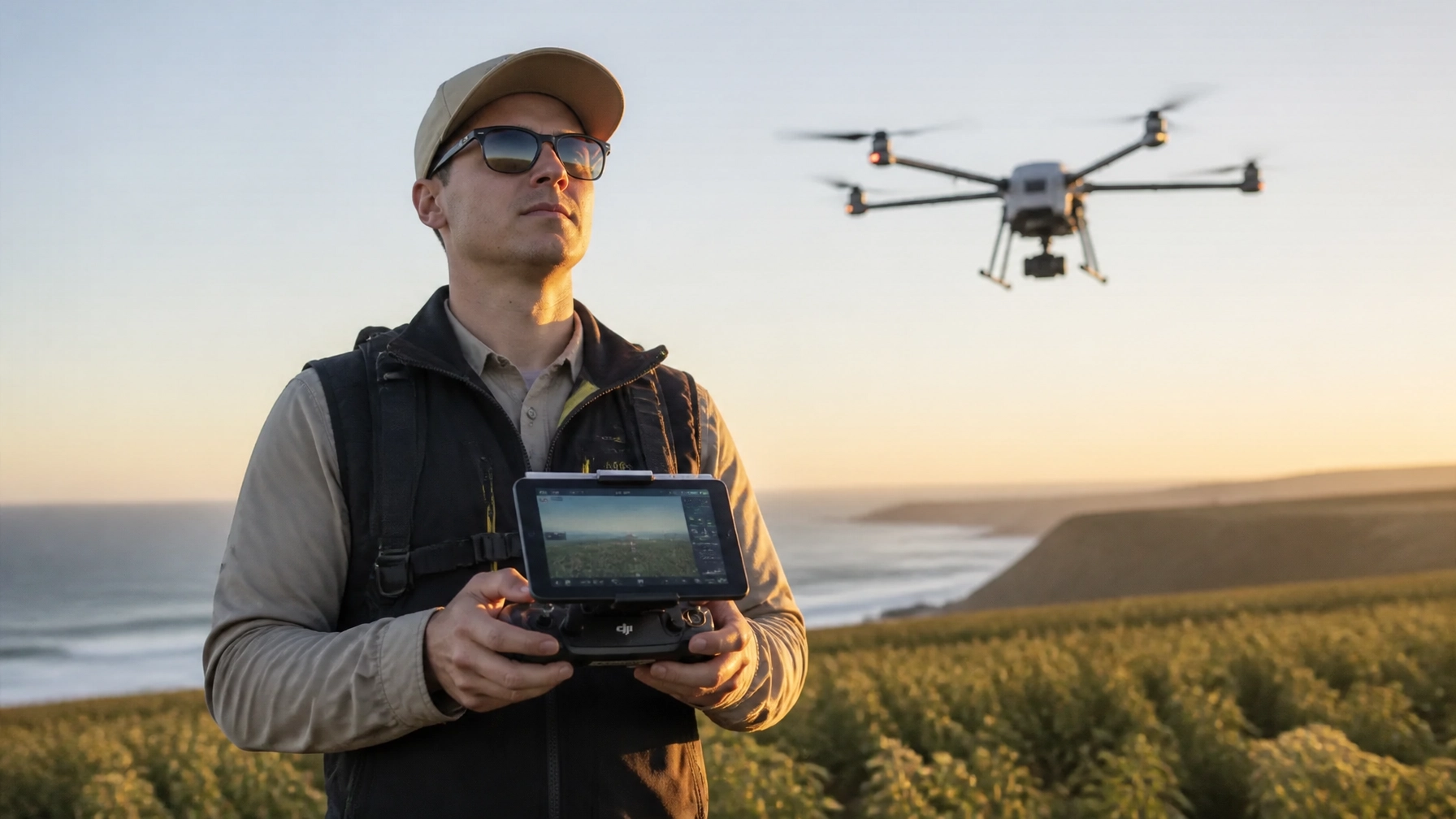
The skies above us are no longer just a vast expanse of blue; they have become the frontier of a technological revolution. From the precision mapping of sprawling agricultural estates to the intricate inspections of critical infrastructure, remotely piloted aircraft (RPA) are transforming industries and unveiling new economic horizons. For many aspiring aviators and tech enthusiasts, the journey begins with a single question: is the investment in a Remote Pilot Licence (RePL) truly justified in 2026?
At Ace Aviation Aerospace Academy, we believe in empowering our students with not just skills, but with a clear understanding of the professional landscape. This guide provides a comprehensive analysis of the costs, legalities, and: most importantly: the return on investment (ROI) associated with obtaining your RePL.
The Regulatory Landscape: Accreditation vs. Professional Certification
Before examining the financial metrics, one must navigate the legal framework established by the Civil Aviation Safety Authority (CASA). In the Australian drone ecosystem, there is a distinct line between a hobbyist, an accredited operator, and a certified professional.
The Sub-2kg “Excluded” Category
For those operating drones weighing less than 2 kilograms for commercial purposes, CASA offers an “excluded” category. While this allows for basic commercial work without a RePL: provided the operator completes a simple online accreditation: it comes with significant operational “hurdles.” Operators in this category are generally restricted from flying:
- In controlled airspace (near airports).
- Over or near people (closer than 30 metres).
- Above 400 feet (120 metres) AGL.
- Under a Remote Operator Certificate (ReOC) for complex missions.
The RePL Advantage
The Remote Pilot Licence (RePL) is the professional standard. It is the key that unlocks the full potential of RPA technology. With an RePL, you are qualified to operate drones within specific weight classes (often up to 25kg and beyond with additional training) and, most crucially, you can operate under a company’s Remote Operator Certificate (ReOC). This allows for complex operations such as night flying, operating within 3 metres of people (under certain conditions), and flying in controlled airspace: tasks where the highest revenue is generated.

The Upfront Investment: Understanding the Cost of Training
In 2026, the cost of a high-quality, CASA-approved RePL course typically ranges between AUD $2,000 and $5,000. This variation depends on the training provider, the location, and the complexity of the airframe (multi-rotor vs. fixed-wing).
At Ace Aviation, our curriculum is designed to exceed minimum standards. We offer a structured and educational approach that combines rigorous theory with extensive practical flight time. When you invest in an RePL course, you are paying for:
- Expert Instruction: Learning from seasoned aviators with real-world experience.
- CASA Compliance: Ensuring your certification is recognized globally and adheres to the latest Part 101 regulations.
- Advanced Facilities: Access to professional-grade equipment and controlled training environments.
- Career Support: Programs like our Altitude+ provide unrivaled student benefits and industry networking opportunities.
While the initial outlay may seem significant, it is essential to view this not as an expense, but as capital investment in your professional future.
Earning Potential in 2026: The Numbers Behind the Drone Industry
The “visionary” growth of the drone industry has translated into tangible financial rewards for those who possess the right credentials. According to recent industry data and market trends in Australia, the earning potential for certified pilots is substantial.
Employee Salary Ranges
For those seeking the stability of a full-time role within a corporation or specialized agency:
- Entry-Level / Junior Pilots: AUD $70,000 – $90,000 (often in technical support or surveying firms).
- Experienced / Specialized Pilots: AUD $96,000 – $150,000+. These roles are prevalent in high-stakes sectors such as mining, asset inspection, and cinematography.
Freelance and Contract Rates
For the entrepreneurial pilot, the hourly rates reflect the high value of the data and imagery provided:
- New Commercial Pilot: AUD $75 – $100 per hour (real estate, weddings).
- Mid-Level (1-2 years): AUD $100 – $160 per hour (construction fly-overs, corporate events).
- Specialized Professional (3+ years): AUD $160 – $400 per hour (3D modeling, high-end cinematography, industrial inspections).

Calculating Your ROI: How Quickly Does the RePL Pay for Itself?
To understand the true value of the RePL, we must calculate the “payback period.” Let us consider two common scenarios based on an average RePL course cost of AUD $3,000.
Scenario A: The Freelance “Side-Hustle”
If you are starting a freelance business while maintaining other employment and you secure just one full day (approx. 7 billable hours) of work per week at a beginner rate of $85/hour:
- Weekly Revenue: $595
- Payback Period: Approximately 5 weeks.
In just over a month of part-time work, you have completely recouped the cost of your professional training.
Scenario B: The Career Transition
If the RePL is the catalyst that allows you to move from a general labor role into a specialized drone technician role with a salary increase of $20,000 per year:
- Monthly Income Increase: ~$1,666
- Payback Period: Under 2 months.
In both instances, the ROI is remarkably rapid compared to traditional tertiary education or other professional certifications.
Beyond the License: The Ace Aviation Advantage
Obtaining your RePL is the first step, but staying ahead in this rapidly evolving industry requires ongoing support and advanced qualifications. Ace Aviation Aerospace Academy is more than just a training provider; we are your partners in professional growth.
Through our Altitude+ program, students gain access to a community of experts, ongoing mentorship, and exclusive industry insights. Furthermore, for those looking to maximize their ROI, we offer specialized training such as:
- AROC (Aeronautical Radio Operator Certificate): Essential for communicating with air traffic control in restricted areas.
- Certificate III in Aviation: A formal qualification that adds significant weight to your professional resume, delivered in partnership with Reach Community College.
Our global footprint and strong relationships with industry leaders ensure that our graduates are not just “licensed,” but “industry-ready.”

Conclusion: A Responsible Path to Success
As we look toward the future, it is clear that drone technology will continue to play a pivotal role in solving complex global challenges: from environmental monitoring to disaster response. Choosing to get your RePL is a commitment to professional excellence and safety.
While the “excluded” category may offer a low-cost entry point for minor tasks, it lacks the scalability and legal protections required for a serious career. The RePL is an investment with a proven, high-velocity ROI that positions you at the forefront of the modern workforce.
Are you ready to elevate your career? Join the over 4,000 successful students who have trusted Ace Aviation to launch their journey. Explore our RePL courses today and take the first step toward a future without limits.