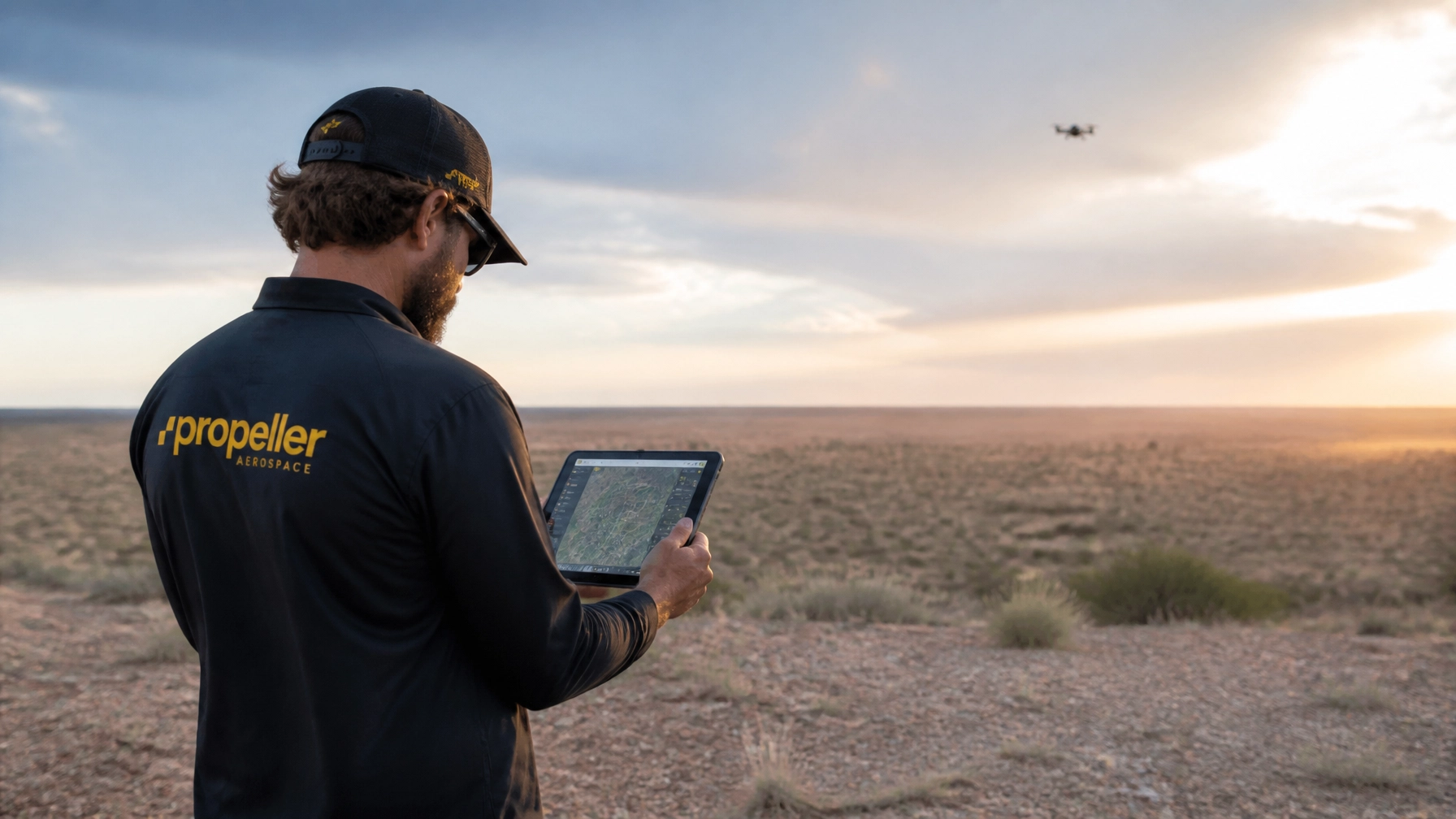
Yes, AusSORA is the essential framework for unlocking Beyond Visual Line of Sight (BVLOS) missions in Australia. It provides a standardized safety risk assessment that CASA uses to approve complex drone operations. By following AusSORA, you can demonstrate the safety required for advanced commercial projects across the country.
Understanding the Power of AusSORA for Your Business
Navigating the world of advanced drone operations can feel overwhelming. Many pilots want to fly further, but regulations seem like a wall. This is where AusSORA changes the game. AusSORA stands for Australian Specific Operations Risk Assessment. It is not just a document. It is a bridge between your goals and CASA approval.
If you want to secure a drone licence Australia pilots trust, you must understand these high-level frameworks. AusSORA is based on the international JARUS SORA 2.5 methodology. However, it is specifically tuned for Australian conditions. Whether you are operating in Brisbane, Sydney, Melbourne, or Perth, AusSORA provides the path forward.
CASA transitioned to this framework to make approvals more predictable. In the past, every complex application was a unique puzzle. Now, there is a clear set of rules. This transparency helps you plan your missions with confidence. You no longer have to guess what safety mitigations CASA expects to see in your manual.
Why AusSORA is the New Standard for BVLOS
As of May 2026, AusSORA is the primary method for assessing BVLOS applications. This framework evaluates three main areas: ground risk, air risk, and containment. By breaking down the risks, CASA can assign a Specific Assurance and Integrity Level (SAIL). This level dictates how much evidence you need to provide.
For many operators, the biggest hurdle is proving that a drone won't harm people on the ground. AusSORA uses population density data to calculate this risk accurately. If you are flying over remote areas in Western Australia, your risk class will be lower. If you are near a major city like Melbourne, the requirements will be much stricter.

Key Facts About AusSORA
| Feature | Details |
|---|---|
| Official Name | Australian Specific Operations Risk Assessment |
| Regulatory Basis | Advisory Circular AC 101-06 |
| Methodology | Adapted from JARUS SORA 2.5 |
| Primary Use | BVLOS and high-altitude drone missions |
| Mandatory Date | Effective from 11 May 2026 |
| Risk Focus | Ground Risk, Air Risk, and Containment |
The Step-by-Step AusSORA Process
Getting your BVLOS mission approved requires a methodical approach. You cannot simply wing it. Here is the process you will follow when using the AusSORA framework.
- Define the Concept of Operations (ConOps): First, you must describe exactly what you want to do. Where are you flying? Which drone are you using? Who is the pilot?
- Determine the Ground Risk Class (iGRC): You look at the size of your drone and the population density. This gives you an initial risk score.
- Apply Mitigations (M1, M2, M3): You can reduce your risk score by using safety tech. For example, a parachute system can lower your ground risk.
- Determine the Air Risk Class (ARC): You assess the likelihood of hitting another aircraft. You look at the airspace type and traffic density.
- Establish the SAIL Level: Your ground and air risks combine to give you a SAIL level from I to VI.
- Meet Operational Safety Objectives (OSOs): Based on your SAIL, you must meet specific safety standards. These cover technical, training, and organizational requirements.
At Ace Aviation, we help you master these steps through our BVLOS training courses. Our experts have guided thousands of students through the complexities of the drone licence Australia ecosystem.
Real-World Examples of AusSORA in Action
How does this look in practice? Let’s look at a few common scenarios where AusSORA makes the difference.
Example 1: Agricultural Spraying in Regional NSW
A farmer wants to spray 500 hectares using a large drone. To save time, they want to fly BVLOS. Under AusSORA, the low population density reduces the ground risk. However, the large size of the drone increases it. By using a "geo-fencing" containment system, the operator meets the SAIL requirements. They can now fly safely without seeing the drone at all times.
Example 2: Power Line Inspection Near Brisbane
An energy company needs to inspect lines in a semi-rural area. Because there are more people nearby, the risk is higher. AusSORA requires the operator to have advanced Remote Pilot Licence (RePL) training. They must also use a drone with redundant flight controllers. The framework ensures every possible failure is managed before the first flight.

Common Mistakes to Avoid with AusSORA
Even experienced pilots can trip up when filling out their safety cases. Avoid these common pitfalls to ensure your application isn't rejected by CASA.
- Vague ConOps: Being too broad in your description is a red flag. You need to be specific about locations and flight paths.
- Ignoring the SAIL Requirements: If you are at a SAIL III but only provide SAIL II evidence, you will fail. Always check the OSO tables in AC 101-06.
- Poor Documentation: Your operations manual must match your risk assessment. If you say you have a specific procedure, it must be written down.
- Underestimating Air Risk: Don't assume no one else is flying. Always check Airservices Australia data for your region.
CASA Considerations and Compliance
Compliance is the foundation of the aviation industry. In Australia, the Civil Aviation Safety Authority (CASA) holds the keys to the sky. They use AusSORA to ensure that as the drone industry grows, the risks do not.
If you are starting your journey, you should use our Licence Finder tool. It helps you decide which path is right for you. Whether you are in Sydney or Perth, the rules remain consistent. Following the AusSORA framework shows CASA that you are a professional. It proves you understand the weight of your responsibility as a remote pilot.

Extensive FAQ: Your AusSORA Questions Answered
1. What exactly is AusSORA?
AusSORA is the Australian version of the Specific Operations Risk Assessment. It is a framework used by CASA to evaluate the risks of complex drone flights.
2. Is AusSORA mandatory for all drone flights?
No. It is primarily for complex operations like BVLOS, high-altitude flights, or using very large drones. Standard visual line of sight (VLOS) flights usually don't need it.
3. Do I need a special drone for BVLOS?
Often, yes. To meet the safety levels in AusSORA, your drone may need redundant systems or fail-safes like parachutes.
4. Can I do my own AusSORA assessment?
Yes, you can prepare it. However, CASA will review it as part of your application. Many operators choose to get help from experts like Ace Aviation.
5. How long does a BVLOS approval take?
It varies. With a well-prepared AusSORA case, the process is smoother. Expect several weeks or months depending on the complexity.
6. Does AusSORA apply to hobbyists?
Typically, no. Most hobbyists fly under standard operating conditions. AusSORA is a tool for commercial operators looking for exemptions.
7. What is JARUS SORA 2.5?
It is the international standard that AusSORA is based on. It was developed by a group of global aviation experts.
8. What does "containment" mean in AusSORA?
Containment refers to the measures you take to keep the drone inside its intended flight area. This includes both technical and human procedures.
9. Where can I find the official AusSORA guidance?
You should look for Advisory Circular AC 101-06 on the CASA website. It contains the full technical details.
10. Do I need an RePL to apply for BVLOS?
Yes. A drone licence Australia (RePL) is the baseline requirement for commercial pilots moving into BVLOS.
11. Can I fly BVLOS in Melbourne?
Yes, but it is more difficult due to the high population and busy airspace. Your AusSORA assessment will require more stringent mitigations.
12. What is a "SAIL" level?
SAIL stands for Specific Assurance and Integrity Level. It ranges from I (low risk) to VI (high risk). It determines the level of safety evidence you need.
13. Does Ace Aviation teach AusSORA?
We integrate these concepts into our advanced BVLOS courses. We prepare you for the real-world demands of the industry.
14. What are OSOs?
Operational Safety Objectives are the specific goals you must achieve to prove your flight is safe. They cover everything from pilot health to drone maintenance.
15. Can AusSORA help with package delivery missions?
Absolutely. Package delivery is a classic BVLOS mission. AusSORA is the framework that makes these projects possible.
16. Is AusSORA used in other countries?
Many countries use SORA. Australia's AusSORA is specifically tailored for our unique environment and laws.
17. What if my risk level is too high?
You can lower your risk level by changing your flight path or adding safety equipment to your drone.
18. Do I need to be a part of a ReOC?
For BVLOS approvals, you generally need to operate under a Remote Operator's Certificate (ReOC).
19. Is the ground risk based on real-time data?
Usually, it is based on statistical data regarding population density in the area you plan to fly.
20. How do I get started with BVLOS in Sydney?
Start by getting your RePL and then look into specialized BVLOS training with a provider like Ace Aviation.
Summary: Unlocking the Sky with AusSORA
AusSORA is the key to the future of the drone industry in Australia. It removes the guesswork from complex flight approvals. By using this framework, you can take your business to new heights. Whether you are inspecting power lines in Melbourne or mapping farms in Perth, AusSORA provides the path.
At Ace Aviation, we are committed to your success. We have trained over 4,000 students and maintain a global footprint. Our CASA-approved training ensures you are ready for the challenges of today and tomorrow. Don't let regulations hold you back. Embrace the AusSORA framework and start your BVLOS journey today.

{“@type”:”BlogPosting”,”image”:”https://cdn.marblism.com/sGhAIQ70ta5.webp”,”author”:{“name”:”Ace Aviation Aerospace Academy”,”@type”:”Organization”},”@context”:”https://schema.org”,”headline”:”Can AusSORA Really Help You Unlock BVLOS Missions? Find Out Here”,”publisher”:{“logo”:{“url”:”https://cdn.marblism.com/oSFGyPj2nOO.png”,”@type”:”ImageObject”},”name”:”Ace Aviation Aerospace Academy”,”@type”:”Organization”},”description”:”Unlock BVLOS drone missions in Australia using the AusSORA framework. Learn how to secure your drone licence Australia and fly complex missions in Sydney, Brisbane, and more.”,”datePublished”:”2026-07-19″,”mainEntityOfPage”:{“@id”:”https://aaa.edu.au/blog/aussora-bvlos-missions”,”@type”:”WebPage”}}
{“@type”:”FAQPage”,”@context”:”https://schema.org”,”mainEntity”:[{“name”:”What exactly is AusSORA?”,”@type”:”Question”,”acceptedAnswer”:{“text”:”AusSORA is the Australian version of the Specific Operations Risk Assessment. It is a framework used by CASA to evaluate the risks of complex drone flights.”,”@type”:”Answer”}},{“name”:”Is AusSORA mandatory for all drone flights?”,”@type”:”Question”,”acceptedAnswer”:{“text”:”No. It is primarily for complex operations like BVLOS, high-altitude flights, or using very large drones.”,”@type”:”Answer”}},{“name”:”Do I need a drone licence Australia for BVLOS?”,”@type”:”Question”,”acceptedAnswer”:{“text”:”Yes, a Remote Pilot Licence (RePL) is the foundation for anyone looking to perform commercial BVLOS missions under the AusSORA framework.”,”@type”:”Answer”}}]}