Meta Description: Commercial cleaning drones in Australia 2026: façade cleaning, solar panel cleaning & industrial inspection. Get your drone licence Australia & start your career. Book now.
Commercial cleaning drones in Australia are transforming property maintenance in 2026. These advanced unmanned aerial systems (UAS) clean high-rise building façades, wash sprawling solar arrays, and inspect industrial infrastructure without scaffolding or rope access crews.
What is a Commercial Cleaning Drone and How Does It Work?
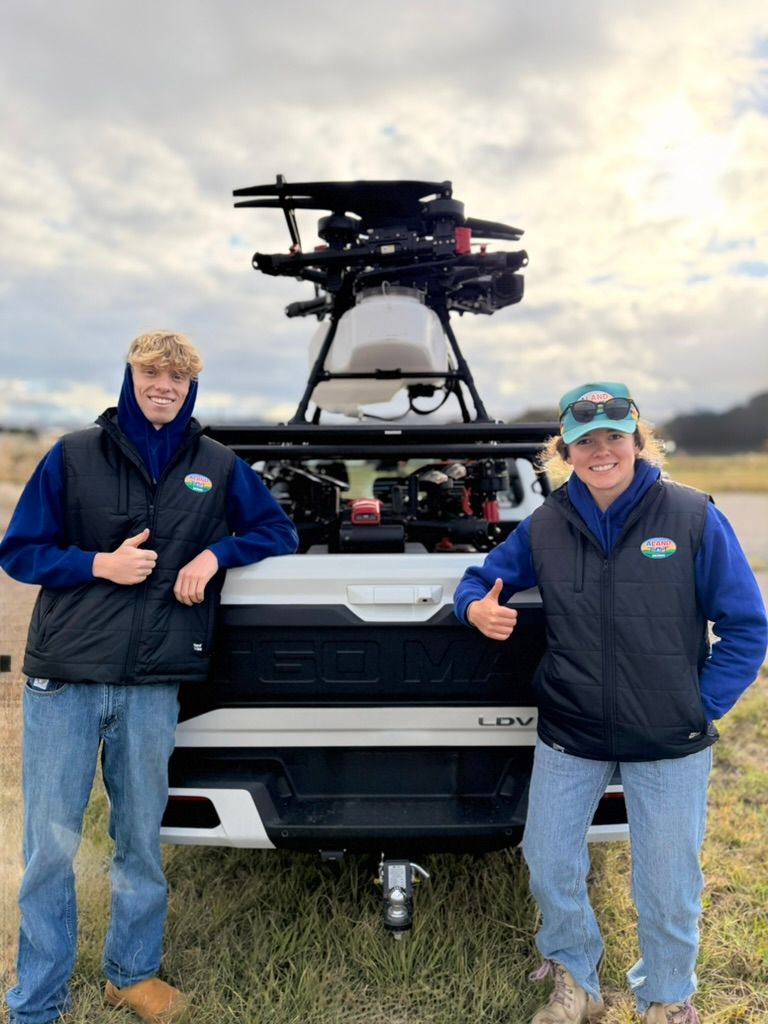
A commercial cleaning drone is a specialised heavy-lift unmanned aerial vehicle equipped with tethered fluid lines, precision spray nozzles, and stabilised gimbals. Operating from ground stations, these aircraft pump purified water, eco-friendly cleaning agents, or deionised solutions directly to high-altitude surfaces. By eliminating traditional rope access and expensive scaffolding, commercial cleaning drones slash operational downtime while keeping workers safely on the ground.
Property owners across Brisbane, Sydney, Melbourne, Perth, and Hobart are rapidly adopting this technology. The Australian commercial drone market is valued at $612.4M in 2026, expanding at an impressive 16.8% CAGR through 2035. Furthermore, the building façade cleaning market is projected at a robust 6.54% CAGR between 2026 and 2034. As urban centers densify, drone-assisted maintenance provides a faster, safer, and more cost-effective alternative to legacy cleaning methods.
To operate these high-capacity platforms legally and safely, commercial pilots require rigorous training. Ace Aviation Aerospace Academy provides industry-leading pathways through our courses and specialized modules, ensuring operators master both flight dynamics and regulatory compliance.
Key Market Metrics and Industry Adoption
Understanding the rapid scaling of drone-based sanitation requires looking at hard data. Across Australia, asset managers are shifting budgets toward robotic and aerial cleaning solutions.
| Metric / Indicator | Value & Projection | Market Context |
|---|---|---|
| Australian Commercial Drone Market | $612.4M (2026) | Growing at 16.8% CAGR through 2035 |
| Façade Cleaning Market Growth | 6.54% CAGR (2026–2034) | Driven by high-rise commercial expansion |
| Sydney Pilot Program (2023) | 150 buildings tested | Proved safety and efficacy in dense urban zones |
| Utility-Scale Solar Cleaning (Q1 2026) | 0.6 GW under contract | Rapid adoption for large solar farms |
| Asia-Pacific Solar Drone Market Share | 35.2% revenue share | Dominates global solar panel cleaning demand |
This remarkable growth underscores why professional training is critical. Earning your drone licence australia unlocks high-paying commercial opportunities in facility management, infrastructure auditing, and solar farm maintenance.
Façade Cleaning Drones: Revolutionizing High-Rise Maintenance
High-rise building maintenance has traditionally relied on abseilers, swinging stages, and bulky scaffolding. However, façade cleaning drones now offer a superior alternative for glass curtain walls, cladded exteriors, and architectural monuments.
In Sydney alone, over 150 buildings successfully tested drone window cleaning programs, proving that aerial washing reduces water waste and eliminates fall-from-height risks. Similar operational trials are expanding rapidly in Melbourne and Brisbane. These systems utilise stabilised sensors and calibrated low-pressure nozzles to remove stubborn grime without damaging delicate glass coatings or seals.
+-------------------------------------------------------------+
|               TYPICAL FACADE CLEANING WORKFLOW              |
+-------------------------------------------------------------+
| 1. Site Assessment & Airspace Check (CASA Part 101)         |
| 2. Ground Station Setup & Tethered Fluid Line Priming        |
| 3. Automated Flight Path Programming & Obstacle Mapping     |
| 4. Precision Low-Pressure Washing & Purified Water Rinse    |
| 5. Post-Flight Quality Audit & Asset Inspection Report      |
+-------------------------------------------------------------+
Facility managers looking to vet qualified operators can explore our licence finder tool to verify pilot credentials and operational readiness.
Solar Panel Cleaning Drones: Maximizing Renewable Efficiency
Australia’s vast solar infrastructure requires constant maintenance to prevent dust, bird droppings, and industrial fallout from degrading photovoltaic efficiency. As of Q1 2026, over 0.6 GW of utility-scale solar capacity is under contract for robotic and drone-assisted cleaning across regional Australia, including parts of Western Australia and regional Queensland.
The Asia-Pacific region currently dominates the solar panel cleaning drone market with 35.2% of global revenue share. Solar panel cleaning drones apply soft-wash techniques using precise water flows. This preserves delicate silicon panels while restoring maximum energy generation.
Operating heavy-lift spray drones requires specialized knowledge. At Ace Aviation, our specialised training equips pilots with the technical expertise needed for agricultural and industrial heavy-lift operations.
Step-by-Step Process to Launch a Commercial Cleaning Drone Business
Starting a compliant and profitable commercial cleaning drone enterprise requires a structured approach. Follow this step-by-step roadmap to transition from hobbyist to certified commercial operator.
- Obtain Your Remote Pilot Licence (RePL): Enroll in a CASA-approved training course to learn aeronautical knowledge, meteorology, and practical flight maneuvers. Discover your ideal pathway with our quote calculator.
- Secure Your Remote Operator Certificate (ReOC): Your ReOC establishes your corporate operating authority under Civil Aviation Safety Regulations (CASR) Part 101. Ace Aviation holds CASA.ReOC.1421, backed by a global footprint spanning Australia, Singapore, Dubai, Korea, and Malaysia.
- Master Specialized Payloads: Train on industrial-grade washing systems, tethered pumps, and heavy-lift multirotors. Learn more about our pedigree on the why ace page.
- Comply with AusSORA and OONP: Familiarize yourself with the Australian Specific Operations Risk Assessment (AusSORA) framework, mandatory for complex low-level flights near built structures.
- Connect with Industry Networks: Utilize the exclusive DroneWork job board available through our jobs portal to secure commercial cleaning contracts immediately after graduation.
Real-World Examples Across Australian Cities
Commercial cleaning and inspection drones are actively deployed across major Australian urban and regional hubs:
- Sydney & Melbourne: High-density commercial districts utilize drone-assisted façade washing to clean glass skyscrapers, reducing traffic disruption and street closures.
- Brisbane: Commercial strata managers employ drones to wash high-rise residential balconies and hard-to-reach cladding, saving thousands in scaffolding hire.
- Perth: Mining and industrial facilities leverage heavy-lift drones to clean large storage silos, wash solar installations, and inspect remote processing plants.
- Hobart: Heritage and modern commercial buildings alike use low-pressure drone washing to preserve fragile stonework and delicate architectural surfaces without mechanical impact.
Common Mistakes to Avoid in Drone Cleaning Operations
Entering the commercial drone cleaning sector without proper preparation can lead to regulatory penalties and equipment damage. Avoid these frequent pitfalls:
- Ignoring CASA Regulatory Frameworks: Operating a commercial cleaning drone without a valid RePL and ReOC breaches CASR Part 101, risking severe fines. Always check guidelines via CASA.
- Using Incorrect Water Pressures: Blasting delicate glass or solar cells with high pressure causes expensive surface damage. Always calibrate spray output for soft washing.
- Neglecting Weather Constraints: High wind gusts affect fluid tether stability and drift control. Always monitor local meteorology before launching heavy-lift cleaning missions.
- Failing to Secure Over-Over-People (OONP) Approvals: Flying cleaning drones above populated walkways requires specific CASA authorizations and robust safety mitigation strategies.
CASA Considerations and Compliance in 2026
Regulatory oversight for commercial cleaning drones is strict. All commercial operations are governed by Part 101 of the Civil Aviation Safety Regulations (CASR).
Pilots must hold both a Remote Pilot Licence (RePL) and operate under a certified Remote Operator Certificate (ReOC). Furthermore, operations conducted close to people, vehicles, or structures require specific Operations Over Non-Participants (OONP) authorizations.
Crucially, as of May 11, 2026, the Australian Specific Operations Risk Assessment (AusSORA) methodology is mandatory for complex flight authorizations in congested environments. Ace Aviation ensures every student graduates with a thorough understanding of these regulatory obligations, protecting your commercial license and business reputation.
Extensive FAQ: Commercial Cleaning & Inspection Drones
1. What is a commercial cleaning drone?
A commercial cleaning drone is a specialised heavy-lift unmanned aerial vehicle that applies water, cleaning solutions, or soft-wash treatments to building façades, solar arrays, and industrial infrastructure from a ground-based tethered pump system.
2. Do I need a licence to fly a commercial cleaning drone in Australia?
Yes. Any commercial drone operation requires a Remote Pilot Licence (RePL) and a Remote Operator Certificate (ReOC) under CASA Part 101 regulations.
3. What qualifications does Ace Aviation hold?
Ace Aviation operates under CASA.ReOC.1421 and has successfully trained over 4,000 students globally across Australia, Singapore, Dubai, Korea, and Malaysia.
4. How much does a commercial drone licence cost in Australia?
Training costs vary depending on whether you choose a foundational RePL course or an advanced package. You can calculate your exact investment using our interactive quote calculator.
5. Can drones clean high-rise glass façades safely?
Yes. Drones equipped with calibrated low-pressure purified water systems clean glass curtain walls efficiently without the structural risks or high costs associated with scaffolding and abseiling.
6. Are solar panel cleaning drones effective?
Extremely effective. They use precision soft-washing technology to remove dust and debris from large solar farms, maintaining peak photovoltaic efficiency without scratching silicon surfaces.
7. What is AusSORA and why is it important in 2026?
AusSORA (Australian Specific Operations Risk Assessment) is the mandatory risk assessment framework required by CASA for complex low-level flight operations near structures and people as of May 2026.
8. What is the difference between RePL and ReOC?
A RePL (Remote Pilot Licence) certifies an individual pilot to fly drones commercially. A ReOC (Remote Operator Certificate) is the business-level certification required to legally offer commercial drone services to clients.
9. How do I find jobs after completing my drone training?
Ace Aviation graduates gain access to our exclusive DroneWork job board, connecting trained pilots directly with industry employers and facility management firms through our jobs portal.
10. Can cleaning drones operate in windy conditions?
Wind management is critical for tethered fluid operations. Professional training at Ace Aviation teaches pilots how to evaluate meteorological limits and calculate safe operating envelopes.
11. What chemicals are used in drone façade cleaning?
Most professional operators use pure, deionised water or eco-friendly, biodegradable cleaning solutions that prevent chemical runoff damage to surrounding landscaping.
12. How does the Altitude+ program benefit students?
The Altitude+ program offers unrivaled student benefits, ongoing mentorship, hardware discounts, and advanced networking opportunities to support your long-term aviation career.
13. Where can I check upcoming training course dates?
You can view our complete training schedule and book practical flying sessions via our calendar page.
14. What is the market valuation of the Australian commercial drone sector?
The Australian commercial drone market is valued at $612.4M in 2026, maintaining a steady growth projection of 16.8% CAGR through 2035.
15. How do I get started with Ace Aviation?
Ready to begin your journey? Book your training directly at aaa.edu.au/book or explore our comprehensive course catalog at aaa.edu.au/courses.
16. Are commercial cleaning drones allowed near airports?
Operations near airports and helicopter landing sites (HLS) require specific airspace approvals from CASA and Airservices Australia. Pilots must check airspace classifications before any cleaning mission near controlled zones.
17. What drone models are used for professional cleaning?
Heavy-lift platforms such as DJI Agras series, custom-built octocopters, and tethered industrial drones are commonly deployed. All must be registered with CASA and included under your ReOC.
18. How much can a commercial cleaning drone pilot earn?
Earnings vary by contract size. Experienced drone cleaning operators in Australia report day rates between $800 and $2,500 for specialised high-rise or solar farm cleaning projects.
19. Does Ace Aviation offer specialized cleaning drone training?
Yes. Our advanced modules cover tethered pump operations, liquid payload handling, and AusSORA-compliant flight planning. Contact us or use our course catalogue to explore options at https://aaa.edu.au/courses.
20. What insurance do I need for commercial cleaning drone operations?
Public liability insurance (minimum $20M coverage) and aviation-specific hull insurance are typically required by clients and property managers before any drone cleaning contract commences.
Summary
Commercial cleaning drones represent a lucrative, fast-growing frontier in Australian property maintenance, combining advanced robotics with strict CASA regulatory compliance. Whether you are targeting high-rise façade washing in Sydney and Melbourne or utility-scale solar maintenance in regional hubs, professional certification is your key to success.
Partner with Ace Aviation Aerospace Academy: backed by CASA.ReOC.1421, over 4,000 certified graduates, and our global footprint: to launch your professional career with confidence. Ready to start? Book your training at aaa.edu.au or call 1300 336 366. Explore our full course offerings at aaa.edu.au and take flight today.
{“@graph”:[{“url”:”https://aaa.edu.au”,”logo”:”https://cdn.marblism.com/4Us45emMyQU.png”,”name”:”Ace Aviation Aerospace Academy”,”@type”:”Organization”,”sameAs”:[“https://aaa.edu.au”],”contactPoint”:{“@type”:”ContactPoint”,”telephone”:”+61-1300-336-366″,”contactType”:”customer service”}},{“@type”:”Article”,”author”:{“name”:”Ace Aviation Aerospace Academy”,”@type”:”Organization”},”headline”:”Commercial Cleaning Drones in Australia 2026: Façade Cleaning, Solar Panel Cleaning & Industrial Inspection”,”publisher”:{“logo”:{“url”:”https://cdn.marblism.com/4Us45emMyQU.png”,”@type”:”ImageObject”},”name”:”Ace Aviation Aerospace Academy”,”@type”:”Organization”},”description”:”Discover how commercial cleaning drones are transforming façade and solar panel maintenance in Australia in 2026. Learn CASA licensing requirements and career pathways.”,”datePublished”:”2026-08-07″,”mainEntityOfPage”:”https://aaa.edu.au/blog/commercial-cleaning-drones-australia-2026″},{“@type”:”FAQPage”,”mainEntity”:[{“name”:”What is a commercial cleaning drone?”,”@type”:”Question”,”acceptedAnswer”:{“text”:”A commercial cleaning drone is a specialised heavy-lift unmanned aerial vehicle that applies water, cleaning solutions, or soft-wash treatments to building façades, solar arrays, and industrial infrastructure from a ground-based tethered pump system.”,”@type”:”Answer”}},{“name”:”Do I need a licence to fly a commercial cleaning drone in Australia?”,”@type”:”Question”,”acceptedAnswer”:{“text”:”Yes. Any commercial drone operation requires a Remote Pilot Licence (RePL) and a Remote Operator Certificate (ReOC) under CASA Part 101 regulations.”,”@type”:”Answer”}},{“name”:”What qualifications does Ace Aviation hold?”,”@type”:”Question”,”acceptedAnswer”:{“text”:”Ace Aviation operates under CASA.ReOC.1421 and has successfully trained over 4,000 students globally across Australia, Singapore, Dubai, Korea, and Malaysia.”,”@type”:”Answer”}},{“name”:”How much does a commercial drone licence cost in Australia?”,”@type”:”Question”,”acceptedAnswer”:{“text”:”Training costs vary depending on whether you choose a foundational RePL course or an advanced package. You can calculate your exact investment using our interactive quote calculator at https://aaa.edu.au/tools/quote-calculator.”,”@type”:”Answer”}},{“name”:”Can drones clean high-rise glass façades safely?”,”@type”:”Question”,”acceptedAnswer”:{“text”:”Yes. Drones equipped with calibrated low-pressure purified water systems clean glass curtain walls efficiently without the structural risks or high costs associated with scaffolding and abseiling.”,”@type”:”Answer”}},{“name”:”Are solar panel cleaning drones effective?”,”@type”:”Question”,”acceptedAnswer”:{“text”:”Extremely effective. They use precision soft-washing technology to remove dust and debris from large solar farms, maintaining peak photovoltaic efficiency without scratching silicon surfaces.”,”@type”:”Answer”}},{“name”:”What is AusSORA and why is it important in 2026?”,”@type”:”Question”,”acceptedAnswer”:{“text”:”AusSORA (Australian Specific Operations Risk Assessment) is the mandatory risk assessment framework required by CASA for complex low-level flight operations near structures and people as of May 2026.”,”@type”:”Answer”}},{“name”:”What is the difference between RePL and ReOC?”,”@type”:”Question”,”acceptedAnswer”:{“text”:”A RePL (Remote Pilot Licence) certifies an individual pilot to fly drones commercially. A ReOC (Remote Operator Certificate) is the business-level certification required to legally offer commercial drone services to clients.”,”@type”:”Answer”}},{“name”:”How do I find jobs after completing my drone training?”,”@type”:”Question”,”acceptedAnswer”:{“text”:”Ace Aviation graduates gain access to our exclusive DroneWork job board, connecting trained pilots directly with industry employers and facility management firms through our jobs portal at https://aaa.edu.au/jobs.”,”@type”:”Answer”}},{“name”:”Can cleaning drones operate in windy conditions?”,”@type”:”Question”,”acceptedAnswer”:{“text”:”Wind management is critical for tethered fluid operations. Professional training at Ace Aviation teaches pilots how to evaluate meteorological limits and calculate safe operating envelopes.”,”@type”:”Answer”}},{“name”:”What chemicals are used in drone façade cleaning?”,”@type”:”Question”,”acceptedAnswer”:{“text”:”Most professional operators use pure, deionised water or eco-friendly, biodegradable cleaning solutions that prevent chemical runoff damage to surrounding landscaping.”,”@type”:”Answer”}},{“name”:”How does the Altitude+ program benefit students?”,”@type”:”Question”,”acceptedAnswer”:{“text”:”The Altitude+ program offers unrivaled student benefits, ongoing mentorship, hardware discounts, and advanced networking opportunities to support your long-term aviation career.”,”@type”:”Answer”}},{“name”:”Where can I check upcoming training course dates?”,”@type”:”Question”,”acceptedAnswer”:{“text”:”You can view our complete training schedule and book practical flying sessions via our calendar page at https://aaa.edu.au/calendar.”,”@type”:”Answer”}},{“name”:”What is the market valuation of the Australian commercial drone sector?”,”@type”:”Question”,”acceptedAnswer”:{“text”:”The Australian commercial drone sector is valued at $612.4M in 2026, maintaining a steady growth projection of 16.8% CAGR through 2035.”,”@type”:”Answer”}},{“name”:”How do I get started with Ace Aviation?”,”@type”:”Question”,”acceptedAnswer”:{“text”:”Ready to begin your journey? Book your training directly at https://aaa.edu.au/book or explore our comprehensive course catalog at https://aaa.edu.au/courses.”,”@type”:”Answer”}}]}],”@context”:”https://schema.org”}