Meta description: Discover how Ace Aviation’s 4,000+ graduates use a drone licence Australia pathway to build professional careers. Explore training and book today.
Short Direct Answer
Ace Aviation’s 4,000+ graduates are entering Australia’s drone industry through CASA-approved training, practical flight experience and career support. With a RePL, relevant endorsements, compliance knowledge and access to DroneWork, beginners can progress from first flight to professional drone work.
From Beginner to Professional Drone Pilot
The Australian drone industry needs more than confident flyers. Employers and clients need pilots who understand airspace, risk management, radio procedures and CASA requirements.
That is why a professional pathway matters. A drone licence Australia pathway should build both technical skill and operational judgement. It should also help you understand what happens after certification.
Ace Aviation Aerospace Academy has trained more than 4,000 students across Australia and internationally. Its training footprint includes Australia, Singapore, Dubai, Korea and Malaysia. This global reach gives students exposure to different operating environments and industry expectations.
The academy’s purpose is clear: help students become capable remote pilots, not simply certificate holders. Training includes Remote Pilot Licence (RePL) programs, the Aeronautical Radio Operator Certificate (AROC), business compliance support and specialised pathways.
Ace Aviation also operates within the broader ACE ecosystem. This includes training, compliance, operational support and employment pathways. The result is a connected journey for students who want to work for an existing organisation or build their own drone business.
Drone Licence Australia: What Graduate Success Really Shows
A Remote Pilot Licence is an individual qualification for operating remotely piloted aircraft in professional settings. However, a licence alone does not guarantee employment or business success.
Successful graduates usually combine five elements:
- A CASA-approved RePL qualification.
- Practical experience with professional equipment.
- Strong knowledge of aviation safety and risk controls.
- A clear industry specialisation.
- Access to work, mentoring and business support.
Ace Aviation’s published graduate stories show how different this journey can look. Some students begin with no aviation background. Others arrive with experience in agriculture, construction, media or engineering.
The common factor is structured training. Students learn theory before completing practical flight training and assessment. They then build additional skills that match real industry needs.

Key Facts About Ace Aviation’s Graduate Pathway
| Area | What it means for students |
|---|---|
| Training scale | More than 4,000 students trained |
| Regulatory focus | CASA-approved training and aviation compliance |
| Key individual licence | Remote Pilot Licence, or RePL |
| Supporting certificate | Aeronautical Radio Operator Certificate, or AROC |
| Business pathway | ReOC setup and operational compliance support |
| Career support | DroneWork access for qualified graduates |
| Student benefits | Altitude+ support, refreshers and ongoing learning resources |
| Training locations | Australia, Singapore, Dubai, Korea and Malaysia |
| Specialisations | Agriculture, mapping, inspection, cleaning, BVLOS theory and enterprise operations |
| Formal qualification | Certificate III in Aviation delivered with Reach Community College |
| Australian credential | CASA.ReOC.1421 |
| Training delivery | Online theory combined with instructor-led practical training |
The right qualification depends on your aircraft, operation and career goal. For example, a person joining an existing ReOC may need a RePL and AROC. Someone launching a commercial drone business may need additional ReOC support.
Before enrolling, review the full Ace Aviation course range. You can also request a tailored recommendation through the Ace Aviation quote page.
The Step-by-Step Career Pathway
Step 1: Choose a professional goal
First, decide what you want to do with drones. Your goal affects the training level and equipment category you should consider.
Common career directions include:
- Construction progress monitoring.
- Surveying and mapping.
- Infrastructure inspection.
- Agriculture and crop monitoring.
- Media and aerial photography.
- Mining and resources.
- Emergency services support.
- Environmental monitoring.
- Drone cleaning.
- Enterprise or government operations.
For example, a media operator may begin with a lighter multirotor RePL. An agricultural operator may need advanced training on medium-category aircraft. A mining contractor may require stronger documentation and site-based safety processes.
Step 2: Select the correct RePL pathway
A RePL confirms that you have met the required competency standard for a particular aircraft category. It is not a universal permission to fly every drone in every situation.
Ace Aviation offers pathways that can include:
- Sub-7 kg RePL training.
- Sub-25 kg RePL training.
- Advanced training up to 150 kg.
- AROC radio training.
- Night VLOS training.
- BVLOS and EVLOS theory.
- Chief Remote Pilot training.
- Certificate III in Aviation.
The Silver package is designed for pilots seeking a stronger commercial foundation. Gold adds a business-ready pathway with ReOC setup support. Platinum is designed for enterprise operators and advanced aircraft categories.
Step 3: Complete aviation theory
Professional pilots need more than manual flying skills. Theory lessons cover the rules and systems that support safe operations.
Students may study:
- Air law and aviation terminology.
- Human factors.
- Meteorology.
- Navigation.
- Aircraft systems.
- Emergency procedures.
- Radio communication.
- Risk management.
- Operating limitations.
- Pre-flight planning.
These subjects can feel difficult at first. However, instructors explain the concepts in practical language and connect them to real flight decisions.
Ace Aviation’s learning platform also includes practice questions, recorded material and ongoing support. The Altitude+ program is designed to extend the student experience beyond the assessment period.
Step 4: Build practical flight confidence
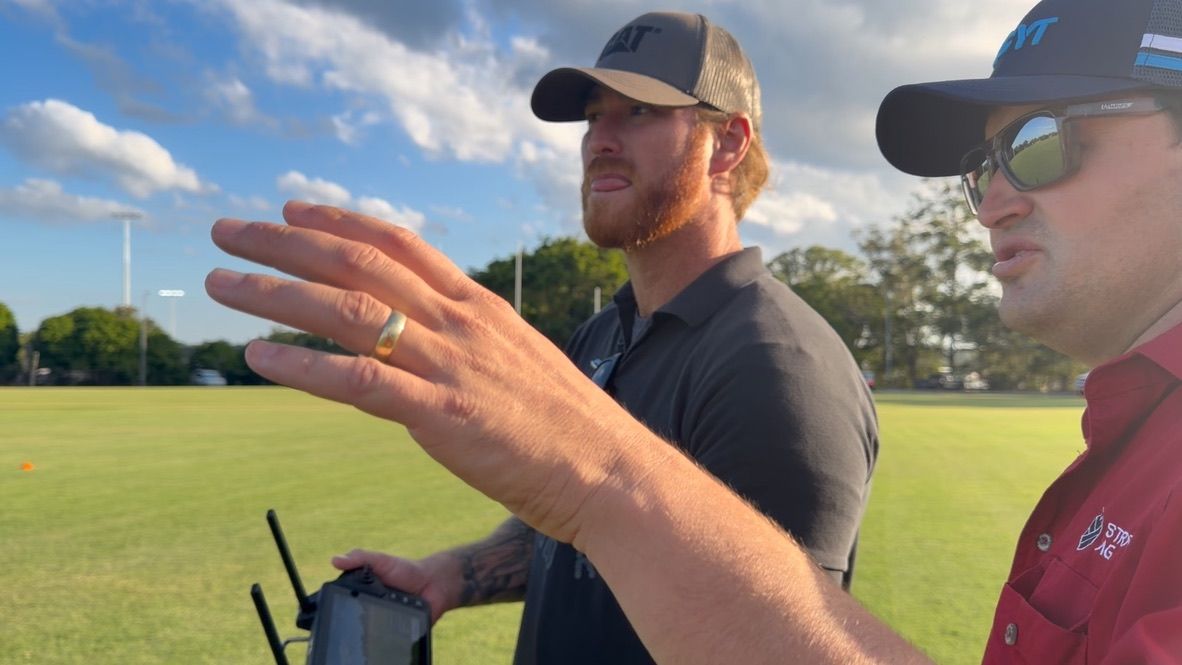
Practical training turns theory into repeatable action. Students learn to prepare equipment, assess conditions, conduct a briefing and manage the aircraft safely.
Practical skills can include:
- Pre-flight inspection.
- Battery and equipment checks.
- Take-off and landing.
- Hovering and orientation.
- Flight path control.
- Emergency response.
- Maintaining visual line of sight.
- Operating around people and property.
- Landing in changing conditions.
- Post-flight procedures.
Students work with instructors during controlled flight sessions. They receive feedback before completing the final assessment.

Step 5: Complete the assessment and licensing process
After completing the required training, students undertake theory and practical assessments. Ace Aviation supports students through the documentation process and CASA submission requirements.
However, students remain responsible for providing accurate information and meeting all applicable requirements. Licensing timeframes can vary. Therefore, confirm current processing information with Ace Aviation and CASA.
Step 6: Build an industry profile
A new licence is the beginning of your professional profile. Graduates should create a clear record of their capability.
Useful additions include:
- A short professional biography.
- A list of aircraft and systems operated.
- Sample mapping, inspection or media work.
- Evidence of relevant endorsements.
- A current resume.
- A safety-focused approach to job applications.
- References from instructors or employers.
Avoid claiming experience you do not have. Instead, show what you can safely do and explain the industries you want to enter.
Step 7: Find work through the right channels
Ace Aviation graduates receive access to DroneWork, a platform that connects qualified pilots with commercial tasks and employers.
The Ace Aviation jobs pathway highlights opportunities across:
- Agriculture and spraying.
- Construction and surveying.
- Mapping and GIS.
- Utilities and infrastructure.
- Mining and resources.
- Media and film.
- Real estate.
- Emergency services.
- Environmental work.
DroneWork does not replace skill, reliability or business development. It does, however, give graduates a direct place to look for commercial opportunities after training.
Graduate Success Stories
From zero aviation experience to construction work
One published graduate story describes a student who began with no aviation background. The student said instructors explained complex concepts in plain English and helped him pass his assessment.
He later moved into survey work for a major construction firm in Queensland. This example shows why foundational training matters. Construction clients need accurate data, safe site behaviour and reliable reporting.
A licence opens the door. Practical competence helps keep it open.
From RePL training to agricultural contracting
Another graduate reported securing an agricultural contract within three weeks of completing training. The student highlighted the value of practical XAG agricultural drone experience.
Agriculture is a specialised field. Operators must understand aircraft systems, payloads, batteries, weather, chemical handling and farm operations. They also need to follow relevant workplace and environmental requirements.
Ace Aviation’s agricultural pathway helps students understand the professional environment before they begin client work.
From certification to multiple job opportunities
A further graduate credited DroneWork with helping generate several job offers after completing the Gold package.
This story reflects an important difference between training models. Some providers focus mainly on the licence. Ace Aviation combines licensing with compliance support, business preparation and access to commercial opportunities.
The approach is designed for people who want to build a long-term career rather than complete a one-off course.
Where You Can Train in Australia
Ace Aviation delivers training through a national network, supported by online theory. City-based training gives students access to local practical sessions while retaining flexibility in the study component.
- Drone course Brisbane supports pathways across construction, property, agriculture and infrastructure.
- Drone course Melbourne suits students targeting surveying, construction, media and inspection.
- Drone course Sydney supports commercial work across NSW, including property and enterprise operations.
- Drone course Perth aligns well with mining, resources, agriculture and surveying.
- Drone training Hobart supports Tasmanian agriculture, forestry, conservation and infrastructure work.
Theory can be completed online from many locations. Practical training and assessments are completed face-to-face at approved venues.
Check the current training calendar before planning travel or booking time away from work.
Common Mistakes New Drone Pilots Make
Mistake 1: Treating a drone like a camera
A drone is an aircraft. The pilot must manage airspace, weather, people, obstacles and equipment limitations.
Good operators plan before they power on. They also know when to cancel a flight.
Mistake 2: Choosing training based only on price
The cheapest course may not match your aircraft or career goal. Compare the training category, practical time, support and post-course opportunities.
Consider the full pathway rather than the first invoice. A lower upfront cost may not include AROC, business support or industry specialisation.
Mistake 3: Assuming a RePL covers every operation
A RePL is linked to specific aircraft categories and operational requirements. It does not automatically approve night, BVLOS or complex operations.
Ask what endorsements and approvals your intended work requires.
Mistake 4: Ignoring documentation
Commercial clients often expect risk assessments, pre-flight records, maintenance logs and incident procedures.
Strong paperwork demonstrates professionalism. It also helps you identify hazards before they become safety events.
Mistake 5: Buying equipment too early
New pilots sometimes purchase expensive equipment before choosing an industry. Instead, identify your target work first.
A mapping operator, real estate pilot and agricultural operator need different aircraft, software and workflows.
Mistake 6: Expecting instant income
A licence does not guarantee jobs or revenue. Professional success depends on skills, location, equipment, marketing, reliability and demand.
Use the qualification to build trust. Then develop relationships with employers, contractors and local businesses.
CASA Compliance Considerations
CASA rules can change. Always confirm current requirements before conducting an operation. The Civil Aviation Safety Authority drone guidance is the authoritative starting point.
In general, commercial and business operations may involve:
- Registering drones used for business.
- Holding operator accreditation or a RePL, depending on the operation.
- Operating under a ReOC where required.
- Ensuring the pilot has the correct competency and aircraft category.
- Following standard operating conditions.
- Maintaining visual line of sight unless an approved pathway applies.
- Managing separation from people, property and other aircraft.
- Checking controlled airspace and local restrictions.
- Keeping safety and operational records.
- Reporting incidents when required.
A RePL is an individual licence. A ReOC is an organisation-level certificate. These credentials serve different purposes.
Ace Aviation provides ReOC setup and compliance support through its commercial ecosystem. Its stated CASA.ReOC.1421 credential is part of the academy’s professional positioning. However, operators should confirm the current status and scope of any certificate directly with Ace Aviation and CASA.
The academy also provides UAMP and operational support options. These resources can help businesses manage manuals, risk controls and day-to-day compliance.
Frequently Asked Questions
1. What is a drone licence in Australia?
The term usually refers to a Remote Pilot Licence, or RePL. It is a CASA-recognised licence for individuals who operate remotely piloted aircraft in professional settings.
2. Do I need a drone licence Australia pathway for paid work?
You may need a RePL, operator accreditation or another approval, depending on the aircraft and operation. Commercial drone work also requires registration and compliance with applicable CASA rules.
3. What is a commercial drone licence Australia applicants should consider?
Most professional applicants should consider a RePL matched to their aircraft category. AROC and ReOC support may also be relevant, especially for complex work or business ownership.
4. How do I become a drone pilot Australia employers will trust?
Start with CASA-approved training. Then build practical experience, complete relevant endorsements, understand safety documentation and develop a clear industry focus.
5. Can I start without aviation experience?
Yes. Ace Aviation courses are designed for beginners as well as experienced operators. The training begins with core aviation knowledge and progresses to practical flight assessment.
6. How long does professional drone training take?
The timeframe depends on the package and your study pace. Ace Aviation combines online theory with practical training and assessment days. Confirm current dates before enrolling.
7. What is the CASA RePL cost?
The total cost depends on the aircraft category, course provider, practical training and additional certificates. Ace Aviation publishes package options and current pricing on its course page.
8. What is included in the Silver package?
The Silver pathway includes RePL training across relevant categories, AROC, night VLOS training, support and access to DroneWork. Confirm inclusions before booking because packages can change.
9. What is the Gold package designed for?
Gold is designed for people who want to move beyond flying and establish a commercial drone business. It includes ReOC setup support, Chief Remote Pilot training and operational resources.
10. What is the Platinum package?
Platinum is an enterprise-focused pathway. It can include advanced aircraft training up to 150 kg, Certificate III in Aviation, ReOC support and additional operational capabilities.
11. Do I need an AROC?
An Aeronautical Radio Operator Certificate supports pilots who need to operate aviation radio equipment. Whether you need it depends on your intended operation and training pathway.
12. Can I get drone pilot jobs Australia employers advertise?
Yes, opportunities exist across agriculture, construction, inspection, mapping, media, mining and government work. Ace graduates can access DroneWork, although employment is not guaranteed.
13. What are common drone pilot jobs Australia applicants can pursue?
Common roles include aerial photographer, mapping operator, construction progress pilot, infrastructure inspector, agricultural operator and remote sensing technician.
14. Is drone training available in Brisbane?
Yes. Ace Aviation offers drone course Brisbane pathways with online theory and practical training in the Brisbane area.
15. Can I complete a drone course Melbourne if I work full time?
Ace Aviation combines flexible online theory with scheduled practical training. This can help working students plan their study around employment.
16. Does Ace offer a drone course Sydney students can attend?
Yes. The Sydney training pathway includes RePL, AROC and broader commercial options across NSW.
17. Is there a drone course Perth applicants can use for mining work?
Yes. Perth students can pursue RePL training and build pathways toward mining, resources, agriculture, inspection and surveying.
18. Does Ace provide drone training Hobart students can access?
Yes. Hobart training supports students across Tasmania, including those interested in agriculture, forestry, environmental work and infrastructure.
19. What is Altitude+?
Altitude+ is Ace Aviation’s student benefits program. It supports continued learning, professional development and access to resources beyond the initial course.
20. Why is Ace Aviation different from training-only providers?
Ace Aviation combines training, compliance, operations and employment support. Its 4,000+ graduate network, global footprint, Altitude+ program and DroneWork platform create a broader career ecosystem.
Summary: Build More Than a Licence
Ace Aviation’s graduate stories show that professional drone careers can begin with no aviation background. The right pathway combines CASA-approved education, supervised practical training and a clear plan for industry work.
A RePL is an important first step. However, career progress also depends on compliance, communication, reliability and ongoing skill development.
Ace Aviation supports this journey through RePL and AROC training, ReOC pathways, specialised programs, Altitude+ benefits and DroneWork access. With more than 4,000 graduates and training across Australia and international locations, the academy is helping shape the next generation of professional remote pilots.
Ready to start? Book your training at aaa.edu.au or call 1300 336 366.
{“@graph”:[{“@id”:”https://aaa.edu.au/#organization”,”url”:”https://aaa.edu.au/”,”name”:”Ace Aviation Aerospace Academy”,”@type”:”Organization”,”sameAs”:[“https://aaa.edu.au/”,”https://dronework.com.au/”],”telephone”:”+61 1300 336 366″,”description”:”Ace Aviation Aerospace Academy provides CASA-approved drone pilot training, RePL, AROC, ReOC support and aviation qualifications across Australia and internationally.”},{“@id”:”https://aaa.edu.au/blog/from-zero-to-certified-professional-ace-aviation-graduates/#article”,”@type”:”Article”,”image”:[“https://cdn.marblism.com/UjAn-Mkw4uU.jpeg”],”author”:{“name”:”Ace Aviation Aerospace Academy”,”@type”:”Organization”},”headline”:”From Zero to Certified Professional: How Ace Aviation’s 4,000+ Graduates Are Leading Australia’s Drone Industry”,”keywords”:[“drone licence australia”,”commercial drone licence australia”,”drone pilot jobs australia”,”how to become a drone pilot australia”,”drone course brisbane”,”drone course melbourne”,”drone course sydney”,”drone course perth”,”drone training hobart”,”ace aviation”],”publisher”:{“@id”:”https://aaa.edu.au/#organization”},”description”:”Discover how Ace Aviation’s 4,000+ graduates use a drone licence Australia pathway to build professional careers through CASA-approved training and DroneWork access.”,”dateModified”:”2026-08-11″,”datePublished”:”2026-08-11″,”mainEntityOfPage”:{“@id”:”https://aaa.edu.au/blog/from-zero-to-certified-professional-ace-aviation-graduates/”,”@type”:”WebPage”}},{“@id”:”https://aaa.edu.au/blog/from-zero-to-certified-professional-ace-aviation-graduates/#faq”,”@type”:”FAQPage”,”mainEntity”:[{“name”:”What is a drone licence in Australia?”,”@type”:”Question”,”acceptedAnswer”:{“text”:”The term usually refers to a Remote Pilot Licence, or RePL. It is a CASA-recognised licence for individuals who operate remotely piloted aircraft in professional settings.”,”@type”:”Answer”}},{“name”:”Do I need a drone licence Australia pathway for paid work?”,”@type”:”Question”,”acceptedAnswer”:{“text”:”You may need a RePL, operator accreditation or another approval, depending on the aircraft and operation. Commercial drone work also requires registration and compliance with applicable CASA rules.”,”@type”:”Answer”}},{“name”:”What is a commercial drone licence Australia applicants should consider?”,”@type”:”Question”,”acceptedAnswer”:{“text”:”Most professional applicants should consider a RePL matched to their aircraft category. AROC and ReOC support may also be relevant, especially for complex work or business ownership.”,”@type”:”Answer”}},{“name”:”How do I become a drone pilot Australia employers will trust?”,”@type”:”Question”,”acceptedAnswer”:{“text”:”Start with CASA-approved training. Then build practical experience, complete relevant endorsements, understand safety documentation and develop a clear industry focus.”,”@type”:”Answer”}},{“name”:”Can I start without aviation experience?”,”@type”:”Question”,”acceptedAnswer”:{“text”:”Yes. Ace Aviation courses are designed for beginners as well as experienced operators. The training begins with core aviation knowledge and progresses to practical flight assessment.”,”@type”:”Answer”}},{“name”:”How long does professional drone training take?”,”@type”:”Question”,”acceptedAnswer”:{“text”:”The timeframe depends on the package and your study pace. Ace Aviation combines online theory with practical training and assessment days.”,”@type”:”Answer”}},{“name”:”What is the CASA RePL cost?”,”@type”:”Question”,”acceptedAnswer”:{“text”:”The total cost depends on the aircraft category, course provider, practical training and additional certificates. Ace Aviation publishes package options and current pricing on its course page.”,”@type”:”Answer”}},{“name”:”What is included in the Silver package?”,”@type”:”Question”,”acceptedAnswer”:{“text”:”The Silver pathway includes RePL training across relevant categories, AROC, night VLOS training, support and access to DroneWork. Confirm inclusions before booking.”,”@type”:”Answer”}},{“name”:”What is the Gold package designed for?”,”@type”:”Question”,”acceptedAnswer”:{“text”:”Gold is designed for people who want to move beyond flying and establish a commercial drone business. It includes ReOC setup support, Chief Remote Pilot training and operational resources.”,”@type”:”Answer”}},{“name”:”What is the Platinum package?”,”@type”:”Question”,”acceptedAnswer”:{“text”:”Platinum is an enterprise-focused pathway. It can include advanced aircraft training up to 150 kg, Certificate III in Aviation, ReOC support and additional operational capabilities.”,”@type”:”Answer”}},{“name”:”Do I need an AROC?”,”@type”:”Question”,”acceptedAnswer”:{“text”:”An Aeronautical Radio Operator Certificate supports pilots who need to operate aviation radio equipment. Whether you need it depends on your intended operation and training pathway.”,”@type”:”Answer”}},{“name”:”Can I get drone pilot jobs Australia employers advertise?”,”@type”:”Question”,”acceptedAnswer”:{“text”:”Yes, opportunities exist across agriculture, construction, inspection, mapping, media, mining and government work. Ace graduates can access DroneWork, although employment is not guaranteed.”,”@type”:”Answer”}},{“name”:”What are common drone pilot jobs Australia applicants can pursue?”,”@type”:”Question”,”acceptedAnswer”:{“text”:”Common roles include aerial photographer, mapping operator, construction progress pilot, infrastructure inspector, agricultural operator and remote sensing technician.”,”@type”:”Answer”}},{“name”:”Is drone training available in Brisbane?”,”@type”:”Question”,”acceptedAnswer”:{“text”:”Yes. Ace Aviation offers drone course Brisbane pathways with online theory and practical training in the Brisbane area.”,”@type”:”Answer”}},{“name”:”Can I complete a drone course Melbourne if I work full time?”,”@type”:”Question”,”acceptedAnswer”:{“text”:”Ace Aviation combines flexible online theory with scheduled practical training. This can help working students plan their study around employment.”,”@type”:”Answer”}},{“name”:”Does Ace offer a drone course Sydney students can attend?”,”@type”:”Question”,”acceptedAnswer”:{“text”:”Yes. The Sydney training pathway includes RePL, AROC and broader commercial options across NSW.”,”@type”:”Answer”}},{“name”:”Is there a drone course Perth applicants can use for mining work?”,”@type”:”Question”,”acceptedAnswer”:{“text”:”Yes. Perth students can pursue RePL training and build pathways toward mining, resources, agriculture, inspection and surveying.”,”@type”:”Answer”}},{“name”:”Does Ace provide drone training Hobart students can access?”,”@type”:”Question”,”acceptedAnswer”:{“text”:”Yes. Hobart training supports students across Tasmania, including those interested in agriculture, forestry, environmental work and infrastructure.”,”@type”:”Answer”}},{“name”:”What is Altitude+?”,”@type”:”Question”,”acceptedAnswer”:{“text”:”Altitude+ is Ace Aviation’s student benefits program. It supports continued learning, professional development and access to resources beyond the initial course.”,”@type”:”Answer”}},{“name”:”Why is Ace Aviation different from training-only providers?”,”@type”:”Question”,”acceptedAnswer”:{“text”:”Ace Aviation combines training, compliance, operations and employment support. Its 4,000+ graduate network, global footprint, Altitude+ program and DroneWork platform create a broader career ecosystem.”,”@type”:”Answer”}}]}],”@context”:”https://schema.org”}