Meta description: Explore the drone licence Australia pathway from RePL training to compliant work. See Ace’s student journey and book your next step today.
Short answer: How do students move from a drone licence to real work?
A drone licence Australia pathway usually starts with CASA-approved RePL training, practical assessment and operational planning. Students then build experience, complete additional credentials, connect with employers or clients, and maintain compliance. Ace Aviation supports this journey through training, Altitude+, industry networks and DroneWork access.
From first flight to a professional drone career
Getting a Remote Pilot Licence is an important milestone. However, it is not the whole career pathway.
A successful drone pilot must understand aviation rules, plan safe missions and communicate professionally. They also need to match their training with a real industry. Those industries may include surveying, construction, agriculture, mining, infrastructure, emergency services, media and asset inspection.
This case study explains how an anonymised composite student may progress through the pathway. It does not describe one named student. It does not promise employment, income or a particular result. Instead, it combines common goals, questions and learning stages seen across student journeys.
Ace Aviation Aerospace Academy has trained more than 4,000 students. It operates under CASA.ReOC.1421, also referred to as ReOC 1421, and delivers training across Australia. Its global footprint also includes Singapore, Dubai, Korea and Malaysia.
The central lesson is simple: a licence opens the door. Capability, compliance and consistent professional habits help you stay in the industry.
What is a drone licence in Australia?
In Australia, the formal commercial credential is usually the Remote Pilot Licence, or RePL. Many people search for terms such as drone licence, UAV licence or commercial drone licence. In practice, they are often referring to RePL training.
The correct credential depends on the proposed operation.
For example, some lower-risk commercial operations may fit CASA’s excluded category. These operations must remain within strict conditions. Other operations require a RePL, and many commercial businesses operate under a Remote Operator’s Certificate, or ReOC.
A RePL can support pilots who want to:
- Fly larger or more capable remotely piloted aircraft.
- Work for a professional drone operator.
- Conduct structured commercial missions.
- Progress into advanced operations.
- Support an organisation’s ReOC.
- Build a compliant drone business.
- Add specialist skills in agriculture, night operations or BVLOS work.
A licence alone does not authorise every type of flight. The aircraft, location, airspace, operating conditions, business approvals and mission risk all matter.
Students can review available pathways through Ace Aviation’s drone licence and RePL training information before choosing a course.
Key facts about the drone licence Australia pathway
| Topic | What it means for students |
|---|---|
| Formal commercial pilot credential | The RePL is the Remote Pilot Licence issued through the CASA licensing pathway. |
| Lower-risk operations | Some sub-2 kg operations may fit the excluded category, if all conditions are met. |
| Business operations | A business may need a ReOC, depending on its aircraft and operations. |
| Practical training | Students learn pre-flight checks, flight control, emergencies and operational decision-making. |
| AROC | The Aeronautical Radio Operator Certificate supports radio operations where required. |
| Certificate III | The Certificate III in Aviation, AVI30419, provides a broader nationally recognised training pathway. |
| Training locations | Ace delivers training across Australia, including Brisbane, Sydney, Melbourne, Perth and Hobart. |
| Career support | Students may access Altitude+ benefits, industry connections and DroneWork opportunities. |
| Compliance | Pilots must follow current CASA rules, local restrictions and their organisation’s procedures. |
| Employment | Outcomes vary with experience, location, industry demand, equipment and job availability. |
A composite student journey: from curiosity to career readiness
Stage 1: The student defines a practical goal
The composite student begins with a common question:
“Can I turn my interest in drones into useful professional work?”
At this stage, the student may have flown a small drone recreationally. They may also have experience in construction, photography, agriculture, surveying, aviation or another field.
The first step is to define the intended work. “I want to fly drones” is too broad. A stronger goal might be:
- Support roof and building inspections.
- Collect visual data for construction sites.
- Assist an agricultural operator.
- Work as a remote pilot for an existing company.
- Add drone services to an established business.
- Progress into enterprise or government operations.
This matters because the right training pathway depends on the work. A pilot interested in agricultural spraying may need different aircraft training from a pilot focused on photography.
Ace’s course options help students compare entry-level, commercial, enterprise and specialist pathways.
Stage 2: The student checks the regulatory pathway
Next, the student learns the difference between a recreational flight and a commercial operation.
Commercial use can include work performed for payment, business activity, services for a client or content connected with a commercial purpose. The pilot must understand the applicable rules before accepting work.
The student also checks:
- The aircraft weight and category.
- Whether the proposed activity fits the excluded category.
- Whether a RePL is needed.
- Whether the work will occur under an employer’s ReOC.
- Whether the student needs an AROC.
- Whether extra approvals apply to the proposed mission.
- Whether the aircraft must be registered.
This step prevents a common mistake: buying equipment first and checking compliance later.
Stage 3: The student completes theory and practice
Ace’s current course structure combines online study, virtual classroom learning and practical assessment.
Students work through subjects such as:
- Aviation law and drone regulations.
- Airspace and aeronautical charts.
- Weather and environmental risks.
- Human factors and decision-making.
- Mission planning.
- Aircraft systems.
- Emergency procedures.
- Radio procedures.
- Risk management.
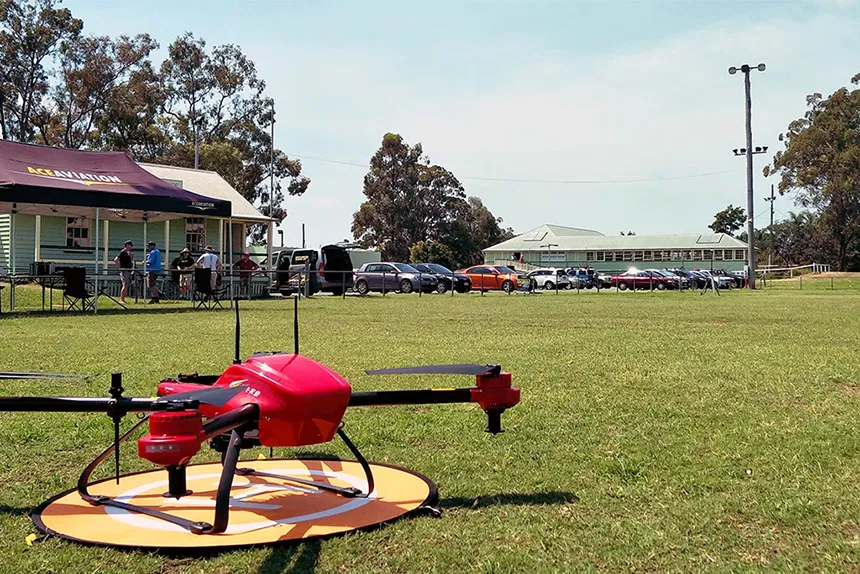
The practical component then connects theory with real-world operation. Students learn how to inspect an aircraft, prepare a launch area and use checklists.
They also practise normal and abnormal procedures. That includes responding to changing weather, equipment issues, loss of control links and unexpected people or aircraft near the operating area.

Stage 4: The student completes assessment
A RePL assessment is not simply a test of joystick control.
The student must show safe and consistent decision-making. They need to understand why a flight can proceed, when it must change and when it should stop.
Assessment preparation may include:
- Reviewing theory modules.
- Completing practice questions.
- Joining instructor-led virtual classes.
- Repeating key procedures.
- Practising pre-flight inspections.
- Completing supervised flight training.
- Preparing for the theory exam.
- Completing the practical flight assessment.
- Reviewing any knowledge gaps with the instructor.
A student who struggles with one topic is not automatically unsuccessful. Good training identifies the gap and provides a clear route to competency.
Stage 5: The student chooses an employment direction
After training, the composite student chooses between employment, contracting and business ownership.
An entry-level pilot may first seek supervised or team-based work. This can help build experience with site access, client communication, documentation and operational pressure.
Another student may join an existing ReOC holder. In this case, the business usually provides the operating framework. The pilot must follow the organisation’s operations manual and procedures.
A third student may explore a business pathway. That requires more than a licence. It can involve a ReOC, operations manuals, insurance, aircraft maintenance, software, marketing and financial planning.
Ace’s Why Ace pathway is built around training, compliance, operations and commercial opportunities rather than licensing alone.
Stage 6: The student builds evidence of capability
A licence tells an employer that the pilot has met a formal standard. It does not show every skill needed for a job.
The composite student therefore builds a professional evidence base. This may include:
- A current resume.
- A clear list of licences and endorsements.
- A log of relevant training.
- Sample mission plans.
- Risk assessment examples.
- Aerial imagery samples, where lawful.
- Equipment knowledge.
- Safety and emergency procedures.
- References from relevant work.
- A short explanation of industry interests.
The student avoids presenting confidential client information. They also avoid claiming experience they do not have.
What can drone pilot work look like?
Drone work is not one job. It is a group of different operating environments.
Construction and infrastructure
Pilots may support progress monitoring, site documentation, stockpile measurement or inspection work. These missions often require accurate planning and communication with site supervisors.
Surveying and mapping
Survey teams may use drones to collect imagery and data. The remote pilot may work alongside a surveyor or data specialist. The pilot does not automatically become a licensed surveyor by completing RePL training.
Agriculture
Agricultural operations can involve larger aircraft, specialist payloads and strict procedures. Operators must understand chemical handling, weather, battery management, exclusion zones and land access.
Mining and resources
Mining operations may use drones for stockpiles, inspections, mapping and site awareness. Pilots may need strong safety habits because worksites can be complex and dynamic.
Media and content
Media work can include property, events, tourism and commercial video. However, privacy, public safety, airspace and client expectations remain important.
Government and emergency support
Government and emergency organisations may require structured processes, security awareness and additional operational training. Recruitment requirements vary between organisations.
Students can explore current opportunities through the DroneWork job board and career pathway. Access does not guarantee a job. It provides a place to monitor opportunities and understand market expectations.

Choosing a drone course: Brisbane, Sydney, Melbourne, Perth and Hobart
Location affects travel, scheduling and access to local work. Theory may be completed online, while practical training occurs at scheduled locations.
Students searching for a drone course Brisbane can review the Brisbane RePL training location. Those seeking training in New South Wales can compare the Sydney drone training location.
Ace also supports students looking for:
The best location is usually the one that fits your schedule and intended work area. Nevertheless, local training does not limit a graduate to local jobs. Commercial drone work may require travel, site induction or regional deployment.
Building a commercial drone licence Australia pathway
A student seeking a commercial drone licence Australia pathway should think in layers.
Layer 1: Core licensing
Start with the RePL category that matches the aircraft and work you expect to perform. Avoid choosing a course based only on the lowest price.
Layer 2: Radio skills
An AROC may support operations involving aviation radio procedures. It can be useful for students who expect to work near more complex airspace or alongside aviation teams.
Layer 3: Industry specialisation
Specialist courses can help a student understand a particular sector. Ace offers pathways that include BVLOS training, night operations, agriculture and other specialised programs.
BVLOS means “beyond visual line of sight”. It is not a normal extension of basic flying. It involves additional operational, safety and approval requirements.
Layer 4: Broader qualifications
The Certificate III in Aviation AVI30419, delivered in partnership with Reach Community College, can provide a broader formal qualification. This may suit students who want a structured education pathway beyond a standalone licence.
Layer 5: Ongoing development
Altitude+ provides additional student benefits designed to support continued development. Students should confirm current inclusions and eligibility before enrolling.
Recurrent training and refresher practice are valuable because aircraft, software, rules and industry expectations change.
Common mistakes that slow a student’s progress
Mistake 1: Assuming every paid flight needs the same licence
The excluded category and RePL pathway are not identical. A student should confirm the rules that apply to the intended aircraft and mission.
Mistake 2: Treating the RePL as permission to fly anywhere
A RePL does not remove airspace, privacy, safety or local restrictions. Each flight still requires planning.
Mistake 3: Buying an expensive drone too early
Large aircraft can create extra training, maintenance, transport and compliance demands. Start with the capability that matches the business case.
Mistake 4: Ignoring the operator’s procedures
A pilot working for a ReOC holder must follow the organisation’s approved procedures. Personal flying habits do not replace the operations manual.
Mistake 5: Focusing only on flight skills
Employers also value communication, punctuality, documentation, data handling and safety awareness.
Mistake 6: Expecting instant employment
The market is competitive. A licence can improve eligibility, but work still depends on demand, location, experience, applications and professional conduct.
Mistake 7: Using a generic resume
A drone resume should explain aircraft experience, licences, industry interests and relevant safety skills. It should be easy for a hiring manager to scan.
CASA considerations for students and operators
CASA rules can change. Always check the current requirements before conducting an operation. The CASA drone rules and getting started guidance is an authoritative starting point.
Key considerations include:
- Register aircraft when required.
- Use the correct pilot credential.
- Maintain visual line of sight when required.
- Keep within applicable altitude limits.
- Stay clear of people and restricted areas.
- Check controlled airspace before flight.
- Follow local landowner and site requirements.
- Complete a risk assessment.
- Use pre-flight and post-flight checklists.
- Monitor weather and changing conditions.
- Report and manage incidents correctly.
- Keep records required by the operator.
- Follow the relevant operations manual.
- Confirm insurance and client requirements.
A ReOC is held by an organisation or operator. It is not the same as a RePL. A pilot may work under an employer’s ReOC without holding their own business approval. However, they must still be appropriately licensed and trained for their duties.
For students who want to establish their own operation, ReOC preparation may include documentation, procedures, nominated responsibilities and CASA fees. The exact pathway depends on the proposed operation.
Ace’s ecosystem connects training with compliance support through UAMP and commercial opportunities through DroneWork. This helps students see the full pathway: train, comply, operate and pursue work.

Frequently asked questions
1. What is the drone licence Australia qualification called?
The formal qualification is the Remote Pilot Licence, or RePL. It is the main CASA licensing pathway for many professional drone operations.
2. Do I need a RePL to fly a drone for money?
Not always. Some low-risk commercial operations may fit the excluded category. However, many professional operations require a RePL. The correct answer depends on the aircraft, location and mission.
3. What is a commercial drone licence Australia pathway?
It is the process of gaining the correct pilot credential, completing training, meeting operational requirements and working under the appropriate operator approvals.
4. How long does RePL training take?
Many students complete online study first, followed by virtual classroom sessions and practical training. Course schedules vary, so check current dates with Ace Aviation.
5. Can a complete beginner enrol?
Yes. RePL training can suit beginners. Students still need to study, practise and demonstrate competency.
6. Do I need to own a drone before training?
No. Training aircraft are commonly provided during practical sessions. Buying equipment before understanding your pathway can create unnecessary cost.
7. What is a ReOC?
A ReOC is a Remote Operator’s Certificate. It supports an organisation’s commercial drone operations. It is separate from the pilot’s RePL.
8. Can I work for a company that already has a ReOC?
Yes, depending on the employer’s requirements and the duties involved. You must follow the organisation’s procedures and hold the credentials needed for your role.
9. Is an AROC useful for a drone pilot?
An AROC, or Aeronautical Radio Operator Certificate, supports aviation radio operations. It may be useful for pilots working in more complex airspace or aviation environments.
10. What are common drone pilot jobs Australia?
Roles may involve inspections, mapping support, agriculture, construction progress, asset documentation, mining, infrastructure, media or internal enterprise operations.
11. Does a RePL guarantee drone pilot jobs Australia?
No. A RePL does not guarantee employment. Outcomes vary with experience, location, industry demand, equipment, applications and business conditions.
12. Can I start a drone business after RePL training?
You can explore that pathway, but a business may need a ReOC, procedures, insurance, equipment and other controls. Business ownership involves more than flying skill.
13. What should I include in a drone pilot resume?
Include your RePL category, AROC, other training, aircraft experience, industry background, safety skills and relevant work examples.
14. Is Certificate III in Aviation worth considering?
It may suit students seeking a nationally recognised qualification and a broader aviation education pathway. Compare it with your career goals and available study time.
15. What is the Altitude+ program?
Altitude+ is an Ace Aviation student benefits program. Current inclusions may change, so students should confirm the benefits available with their selected course.
16. What is DroneWork?
DroneWork is a jobs and opportunities platform connected with the Ace Aviation ecosystem. It helps qualified pilots find commercial opportunities and understand potential career pathways.
17. Can I complete theory online?
Ace offers online theory and virtual learning components. Practical training and assessment requirements depend on the course selected.
18. Is drone training available outside Australia?
Ace Aviation has a global footprint that includes Singapore, Dubai, Korea and Malaysia, as well as training locations across Australia. Confirm local availability before enrolling.
19. Can I fly at night after completing RePL training?
Night operations may require additional training, procedures or approvals. Do not assume a standard RePL automatically authorises every night operation.
20. Where can I compare course options?
Start with the Ace Aviation courses page, then compare the aircraft categories, inclusions, schedule and support available.
Summary: a licence is the beginning of the journey
The composite student journey shows why professional drone careers are built in stages.
First, define the work you want to do. Next, choose training that matches the aircraft and operation. Then, develop safe habits through theory, practical training and assessment.
After licensing, build evidence of capability. Learn how ReOC operations work, improve your industry knowledge and monitor suitable opportunities. Use available support, including Altitude+, industry connections and DroneWork.
Ace Aviation brings training, compliance and career development together. With CASA approval, CASA.ReOC.1421, more than 4,000 students trained and a global footprint across Australia, Singapore, Dubai, Korea and Malaysia, Ace provides a structured place to begin.
Results vary. No training provider can guarantee a job or income. However, proper education can help you overcome the regulatory and operational hurdles that stand between an interest in drones and responsible professional work.
Ready to start? Book your training at aaa.edu.au or call 1300 336 366.
{“@graph”:[{“@id”:”https://aaa.edu.au/blog/drone-licence-australia-2026-student-success#article”,”@type”:”Article”,”image”:”https://cdn.marblism.com/F6USneCwUqP.webp”,”author”:{“url”:”https://aaa.edu.au/”,”name”:”Ace Aviation Aerospace Academy”,”@type”:”Organization”},”headline”:”Drone Licence Australia 2026: From RePL Training to Real Work — How Ace Aviation Students Launch Drone Careers”,”keywords”:[“drone licence australia”,”commercial drone licence australia”,”drone pilot jobs australia”,”drone course Brisbane”,”drone course Sydney”,”drone course Melbourne”,”drone course Perth”,”drone training Hobart”],”publisher”:{“url”:”https://aaa.edu.au/”,”logo”:{“url”:”https://aaa.edu.au/assets/ace-logo-transparent.png”,”@type”:”ImageObject”},”name”:”Ace Aviation Aerospace Academy”,”@type”:”Organization”},”inLanguage”:”en-AU”,”description”:”Explore the drone licence Australia pathway from RePL training to compliant work. See Ace’s student journey and book your next step today.”,”dateModified”:”2026-09-03″,”datePublished”:”2026-09-03″,”articleSection”:”Drone Training and Careers”,”mainEntityOfPage”:{“@id”:”https://aaa.edu.au/blog/drone-licence-australia-2026-student-success”,”@type”:”WebPage”}},{“@id”:”https://aaa.edu.au/#organization”,”url”:”https://aaa.edu.au/”,”logo”:{“url”:”https://aaa.edu.au/assets/ace-logo-transparent.png”,”@type”:”ImageObject”},”name”:”Ace Aviation Aerospace Academy”,”@type”:”Organization”,”telephone”:”+61 1300 336 366″,”areaServed”:[“Australia”,”Singapore”,”Dubai”,”Korea”,”Malaysia”],”knowsAbout”:[“Remote Pilot Licence”,”RePL training”,”Aeronautical Radio Operator Certificate”,”Remote Operator’s Certificate”,”Commercial drone operations”,”Drone pilot careers”],”description”:”CASA-approved drone pilot training and aviation education provider offering RePL, AROC, Certificate III in Aviation and specialist drone training.”},{“@id”:”https://aaa.edu.au/blog/drone-licence-australia-2026-student-success#faq”,”@type”:”FAQPage”,”mainEntity”:[{“name”:”What is the drone licence Australia qualification called?”,”@type”:”Question”,”acceptedAnswer”:{“text”:”The formal qualification is the Remote Pilot Licence, or RePL. It is the main CASA licensing pathway for many professional drone operations.”,”@type”:”Answer”}},{“name”:”Do I need a RePL to fly a drone for money?”,”@type”:”Question”,”acceptedAnswer”:{“text”:”Not always. Some low-risk commercial operations may fit the excluded category. However, many professional operations require a RePL. The correct answer depends on the aircraft, location and mission.”,”@type”:”Answer”}},{“name”:”What is a commercial drone licence Australia pathway?”,”@type”:”Question”,”acceptedAnswer”:{“text”:”It is the process of gaining the correct pilot credential, completing training, meeting operational requirements and working under the appropriate operator approvals.”,”@type”:”Answer”}},{“name”:”How long does RePL training take?”,”@type”:”Question”,”acceptedAnswer”:{“text”:”Many students complete online study first, followed by virtual classroom sessions and practical training. Course schedules vary, so check current dates with Ace Aviation.”,”@type”:”Answer”}},{“name”:”Can a complete beginner enrol?”,”@type”:”Question”,”acceptedAnswer”:{“text”:”Yes. RePL training can suit beginners. Students still need to study, practise and demonstrate competency.”,”@type”:”Answer”}},{“name”:”Do I need to own a drone before training?”,”@type”:”Question”,”acceptedAnswer”:{“text”:”No. Training aircraft are commonly provided during practical sessions. Buying equipment before understanding your pathway can create unnecessary cost.”,”@type”:”Answer”}},{“name”:”What is a ReOC?”,”@type”:”Question”,”acceptedAnswer”:{“text”:”A ReOC is a Remote Operator’s Certificate. It supports an organisation’s commercial drone operations. It is separate from the pilot’s RePL.”,”@type”:”Answer”}},{“name”:”Can I work for a company that already has a ReOC?”,”@type”:”Question”,”acceptedAnswer”:{“text”:”Yes, depending on the employer’s requirements and the duties involved. You must follow the organisation’s procedures and hold the credentials needed for your role.”,”@type”:”Answer”}},{“name”:”Is an AROC useful for a drone pilot?”,”@type”:”Question”,”acceptedAnswer”:{“text”:”An AROC, or Aeronautical Radio Operator Certificate, supports aviation radio operations. It may be useful for pilots working in more complex airspace or aviation environments.”,”@type”:”Answer”}},{“name”:”What are common drone pilot jobs Australia?”,”@type”:”Question”,”acceptedAnswer”:{“text”:”Roles may involve inspections, mapping support, agriculture, construction progress, asset documentation, mining, infrastructure, media or internal enterprise operations.”,”@type”:”Answer”}},{“name”:”Does a RePL guarantee drone pilot jobs Australia?”,”@type”:”Question”,”acceptedAnswer”:{“text”:”No. A RePL does not guarantee employment. Outcomes vary with experience, location, industry demand, equipment, applications and business conditions.”,”@type”:”Answer”}},{“name”:”Can I start a drone business after RePL training?”,”@type”:”Question”,”acceptedAnswer”:{“text”:”You can explore that pathway, but a business may need a ReOC, procedures, insurance, equipment and other controls. Business ownership involves more than flying skill.”,”@type”:”Answer”}},{“name”:”What should I include in a drone pilot resume?”,”@type”:”Question”,”acceptedAnswer”:{“text”:”Include your RePL category, AROC, other training, aircraft experience, industry interests, safety skills and relevant work examples.”,”@type”:”Answer”}},{“name”:”Is Certificate III in Aviation worth considering?”,”@type”:”Question”,”acceptedAnswer”:{“text”:”It may suit students seeking a nationally recognised qualification and a broader aviation education pathway. Compare it with your career goals and available study time.”,”@type”:”Answer”}},{“name”:”What is the Altitude+ program?”,”@type”:”Question”,”acceptedAnswer”:{“text”:”Altitude+ is an Ace Aviation student benefits program. Current inclusions may change, so students should confirm the benefits available with their selected course.”,”@type”:”Answer”}},{“name”:”What is DroneWork?”,”@type”:”Question”,”acceptedAnswer”:{“text”:”DroneWork is a jobs and opportunities platform connected with the Ace Aviation ecosystem. It helps qualified pilots find commercial opportunities and understand potential career pathways.”,”@type”:”Answer”}},{“name”:”Can I complete theory online?”,”@type”:”Question”,”acceptedAnswer”:{“text”:”Ace offers online theory and virtual learning components. Practical training and assessment requirements depend on the course selected.”,”@type”:”Answer”}},{“name”:”Is drone training available outside Australia?”,”@type”:”Question”,”acceptedAnswer”:{“text”:”Ace Aviation has a global footprint that includes Singapore, Dubai, Korea and Malaysia, as well as training locations across Australia. Confirm local availability before enrolling.”,”@type”:”Answer”}},{“name”:”Can I fly at night after completing RePL training?”,”@type”:”Question”,”acceptedAnswer”:{“text”:”Night operations may require additional training, procedures or approvals. Do not assume a standard RePL automatically authorises every night operation.”,”@type”:”Answer”}},{“name”:”Where can I compare course options?”,”@type”:”Question”,”acceptedAnswer”:{“text”:”Start with the Ace Aviation courses page, then compare the aircraft categories, inclusions, schedule and support available.”,”@type”:”Answer”}}]}],”@context”:”https://schema.org”}