Short direct answer
An Australian drone licence can open paid work in surveying, mining, media, agriculture and inspection. However, the licence is only the first step. Ace graduates combine CASA-aligned RePL training with Altitude+ support, DroneWork access and industry skills to pursue compliant roles in Australia and overseas.
Meta description: Explore drone licence Australia graduate case studies across mining, film, agriculture and inspection. Learn the pathway and book today.
Why a drone licence is only the beginning
A Remote Pilot Licence, or RePL, proves that you can operate a remotely piloted aircraft safely. It does not automatically create a career.
Employers and clients also want practical judgment, reliable reporting and professional communication. They need pilots who understand airspace, weather, risk controls and job-site procedures.
That is why Ace Aviation focuses on more than an assessment. As a CASA-approved training provider operating under CASA.ReOC.1421, Ace connects training with compliance, equipment, industry pathways and commercial opportunities.
More than 4,000 students have trained with Ace. They have studied across Australia and through the academy’s global footprint in Singapore, Dubai, Korea and Malaysia.
The examples below are representative composite case studies. They combine common student goals and realistic career pathways. They are not presented as named graduate testimonials or guaranteed employment outcomes.
Key facts about the drone licence Australia pathway
| Career goal | Common training foundation | Skills that improve employability | Typical next step |
|---|---|---|---|
| Mining and surveying | RePL, AROC and larger aircraft capability | Mapping, photogrammetry, GIS and site reporting | Join a survey, mining or civil contractor |
| Cinematography | RePL and AROC | Camera movement, lighting, editing and production safety | Build a showreel and work under a production operator |
| Agriculture | RePL plus heavy-lift or agricultural aircraft training | Flight planning, payload handling and farm safety | Work with an agricultural operator |
| Infrastructure inspection | RePL, AROC and inspection procedures | Thermal imaging, defect reporting and asset documentation | Join an inspection, utility or engineering team |
| Own drone business | RePL, AROC and ReOC pathway | Sales, operations manuals, risk management and pricing | Establish or join a compliant commercial operation |
| International operations | Local aviation knowledge plus country-specific rules | Cross-cultural communication and local compliance | Confirm recognition with the relevant regulator |
The correct pathway depends on the aircraft, location, operation and client requirements. A small media job may need a different setup from a mining survey using a larger aircraft.
Students can compare the available options through the Ace Aviation courses page. The Why Ace overview also explains how training, compliance and employment support work together.
How to become a drone pilot in Australia
Many people search for how to become a drone pilot Australia. The answer usually involves four stages.
1. Choose the industry before choosing the course
Start with the work you want to perform. Mining, surveying, agriculture, film and infrastructure each require different technical skills.
For example, a cinematography pilot needs camera knowledge. A survey pilot needs mapping software and data skills. An agricultural pilot needs safe payload and chemical-handling awareness.
This decision helps you avoid paying for training that does not match your career target.
2. Complete the right RePL pathway
The RePL is the individual licence used by professional remote pilots. It applies to specific aircraft categories and operating conditions.
Ace offers several pathways:
- Bronze training for an entry-level RePL and AROC pathway.
- Silver training for commercial pilots seeking broader aircraft capability.
- Gold training for people planning to establish a commercial drone business.
- Platinum training for advanced and enterprise operations, including heavier aircraft pathways and Certificate III in Aviation options.
Most students complete theory online before attending face-to-face practical training and assessment. This model helps people study around work and family commitments.
3. Build skills beyond the licence
A licence can help you qualify for work. However, clients pay for useful outcomes.
Those outcomes may include:
- Aerial maps and orthomosaics.
- Stockpile or site measurements.
- Asset inspection reports.
- Thermal or visual condition data.
- Agricultural imagery and application services.
- Safe and repeatable aerial video.
- Clear records that support a client’s business decision.
Altitude+ helps students continue developing after their course. Benefits may include access to learning support, refresher resources and discounts on selected industry tools.
4. Find opportunities and gain experience
Ace graduates can access the DroneWork job board through the academy’s career pathway. DroneWork connects qualified pilots with commercial tasks, employers and contract opportunities.
This does not guarantee a job. It does, however, give graduates a more direct way to see market demand and apply for suitable work.
Students can also review the Ace drone jobs pathway to understand the industries and tasks commonly supported by qualified pilots.
Case study one: mining and surveying

Maya’s illustrative pathway from site administration to survey support
Maya had several years of experience in construction administration. She understood project schedules and site safety, but she had no aviation background.
She wanted to move closer to field operations. Her goal was not to become a hobby pilot. She wanted to support construction and resources projects with reliable aerial data.
Maya chose a broader commercial pathway rather than an entry-level licence alone. Her training plan included:
- A commercial RePL category.
- AROC training for aviation radio procedures.
- Practical flight planning.
- Mapping mission preparation.
- Risk assessment and pre-flight documentation.
- Introductory knowledge of photogrammetry.
After completing her training, Maya used Altitude+ resources to improve her understanding of mapping software. She then created a small portfolio using practice flights.
Her portfolio showed:
- A site overview image.
- A basic orthomosaic.
- A simple stockpile measurement example.
- A sample site report.
- A risk assessment and flight plan.
Maya used DroneWork to monitor suitable contract work. She also approached local survey firms with a clear offer: she could support their field team with safe RPAS operations and organised data capture.
The result was a pathway into paid survey support work. Her RePL opened the door, but her construction knowledge and reporting skills made her more useful to employers.
Lesson: Mining and surveying employers rarely need someone who can only fly. They need a pilot who understands the site, the data and the client’s decision.
Case study two: cinematography and media

Leo’s illustrative pathway from hobby video to production work
Leo already owned a small camera drone. He had filmed local tourism content and social media videos, but he had never worked on a professional production.
He enrolled because he wanted a commercial drone licence Australia pathway that would support paid media work.
His training focused on:
- RePL and AROC fundamentals.
- Airspace awareness near events and populated areas.
- Crew communication.
- Pre-production risk planning.
- Battery and equipment management.
- Controlled flight movements.
- Emergency procedures.
Leo used Altitude+ support to identify software discounts and learning resources. He also joined industry conversations through Ace’s student network.
Next, he rebuilt his portfolio. Instead of showing random clips, he created a short showreel with:
- Smooth tracking shots.
- Safe take-off and landing procedures.
- Location notes.
- Weather and lighting considerations.
- A clear explanation of his production role.
When a small production team needed an aerial operator, Leo applied through a commercial opportunity shared through the DroneWork pathway. He was not hired simply because he held a licence. His showreel, communication and planning process helped him stand out.
Lesson: Aerial cinematography rewards pilots who understand storytelling. Flying skill matters, but framing, continuity, safety and client communication matter too.
Case study three: agriculture and heavy-lift operations

Priya’s illustrative pathway into precision agriculture
Priya had worked in agricultural logistics. She saw that growers were adopting drones for crop monitoring, spraying and targeted application.
She understood that agricultural drone work can involve larger aircraft, complex payloads and demanding field conditions. As a result, she did not treat it as a simple camera-drone service.
Priya selected an advanced training pathway that included:
- RePL training relevant to larger aircraft.
- Agricultural drone familiarisation.
- Payload and battery procedures.
- Field-site risk management.
- Weather and wind assessment.
- Pre-flight inspection.
- Safe loading and operational records.
The Platinum pathway can support advanced enterprise operations, including heavier aircraft training and agricultural applications. However, the correct aircraft endorsement and approvals depend on the proposed operation.
Priya used the academy’s practical training environment to build confidence with industrial equipment. She also used Altitude+ resources to revisit safety procedures after graduation.
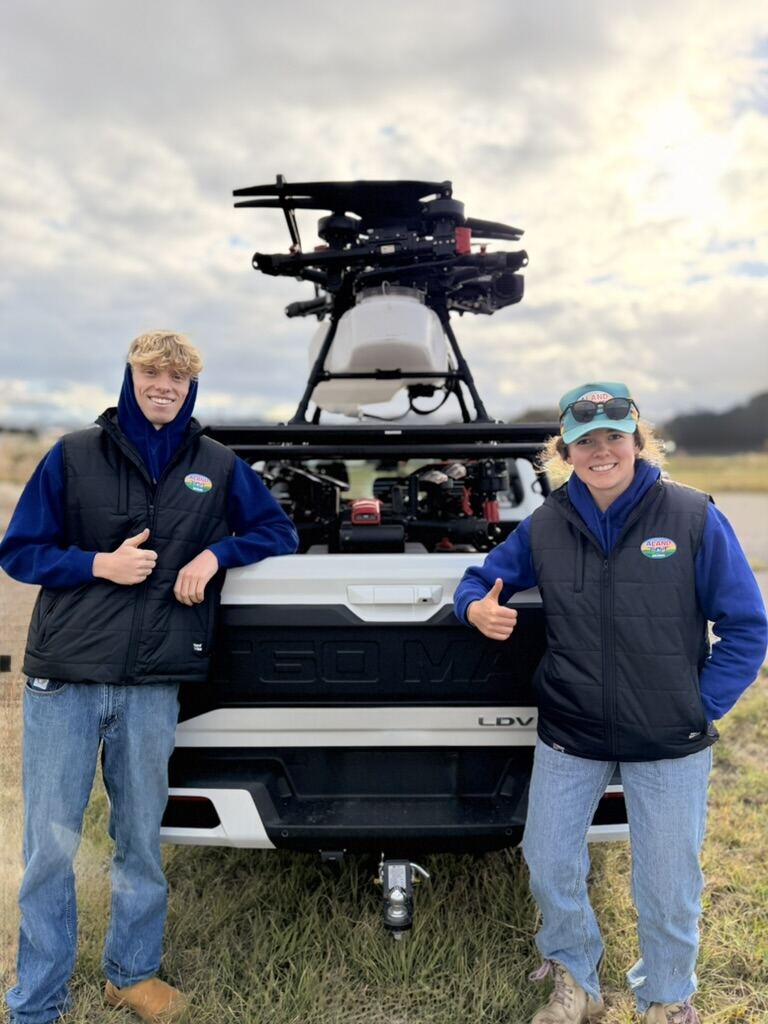
Her first commercial opportunity came through an agricultural operator seeking trained support during a busy season. Priya began under the operator’s established compliance framework. She did not immediately launch her own independent business.
Over time, she built experience in crop imagery, field logistics and repeatable mission planning. That combination helped her pursue higher-value agricultural work.
Lesson: Agriculture rewards operators who understand farming pressures. A pilot must manage aircraft, payloads, weather, chemicals, people and timing.
Case study four: infrastructure inspection

Noah’s illustrative pathway into asset inspection
Noah worked in electrical maintenance. He wanted to move into infrastructure inspection because drones could reduce the need for workers to access difficult locations.
He understood that inspection work requires more than good photographs. Clients need consistent images, asset identification and reports that support maintenance decisions.
Noah’s development plan included:
- RePL and AROC training.
- Close-proximity operational awareness.
- Inspection flight planning.
- Visual asset assessment.
- Image naming and file management.
- Defect reporting.
- Thermal imaging fundamentals.
- UAMP compliance and operational records.
He used the DroneWork job board to identify inspection tasks and compare the skills employers requested. Then, he created sample inspection reports for roofs, towers and industrial structures.
His electrical background gave him an advantage. He could discuss corrosion, access points, cabling and maintenance risks with technical teams.
Noah first joined an established operator. This allowed him to gain experience under an existing ReOC rather than carrying the entire business compliance burden alone.
Later, he considered the Gold package and ReOC pathway because he wanted to operate independently. That decision came after he understood the cost of insurance, equipment, documentation, software and business development.
Lesson: Inspection pilots create value when they turn images into decisions. Trade knowledge can be as valuable as flight skill.
Case study five: an international student pathway
Hana’s illustrative experience across borders
Hana was based in Dubai and wanted to build a career in commercial drone operations. She researched providers with experience supporting students from different aviation backgrounds.
Ace has trained students across Australia, Singapore, Dubai, Korea and Malaysia. That global footprint creates useful exposure to different work environments and operational expectations.
Hana’s first step was not to assume that an Australian qualification transferred automatically to another country. She checked the rules of the regulator in her intended operating location.
Her training focused on:
- Aviation terminology.
- Risk management.
- Airspace awareness.
- Flight planning.
- Radio procedures.
- Human factors.
- Professional record keeping.
- Practical aircraft control.
She then built a portfolio that showed safe process rather than only dramatic footage. It included mission plans, equipment checks and examples of client reporting.
Hana used Ace’s student support network to understand possible work settings. She also developed a plan for local approvals, insurance and operator requirements.
Her outcome was a clearer pathway into commercial RPAS work. The most important result was not a promise of automatic licence recognition. It was a stronger aviation foundation and a practical method for checking local compliance.
Lesson: International students should confirm local rules before flying for work. Training can travel well, but regulatory permissions remain location-specific.
Case study six: a corporate team partnership
Alex’s illustrative corporate team pathway
Alex managed operations for a civil infrastructure company. The business wanted to use drones for progress capture, site inspections and documentation.
The company did not want one enthusiastic employee to buy a drone and start flying. It wanted a repeatable program with trained staff, clear responsibilities and documented procedures.
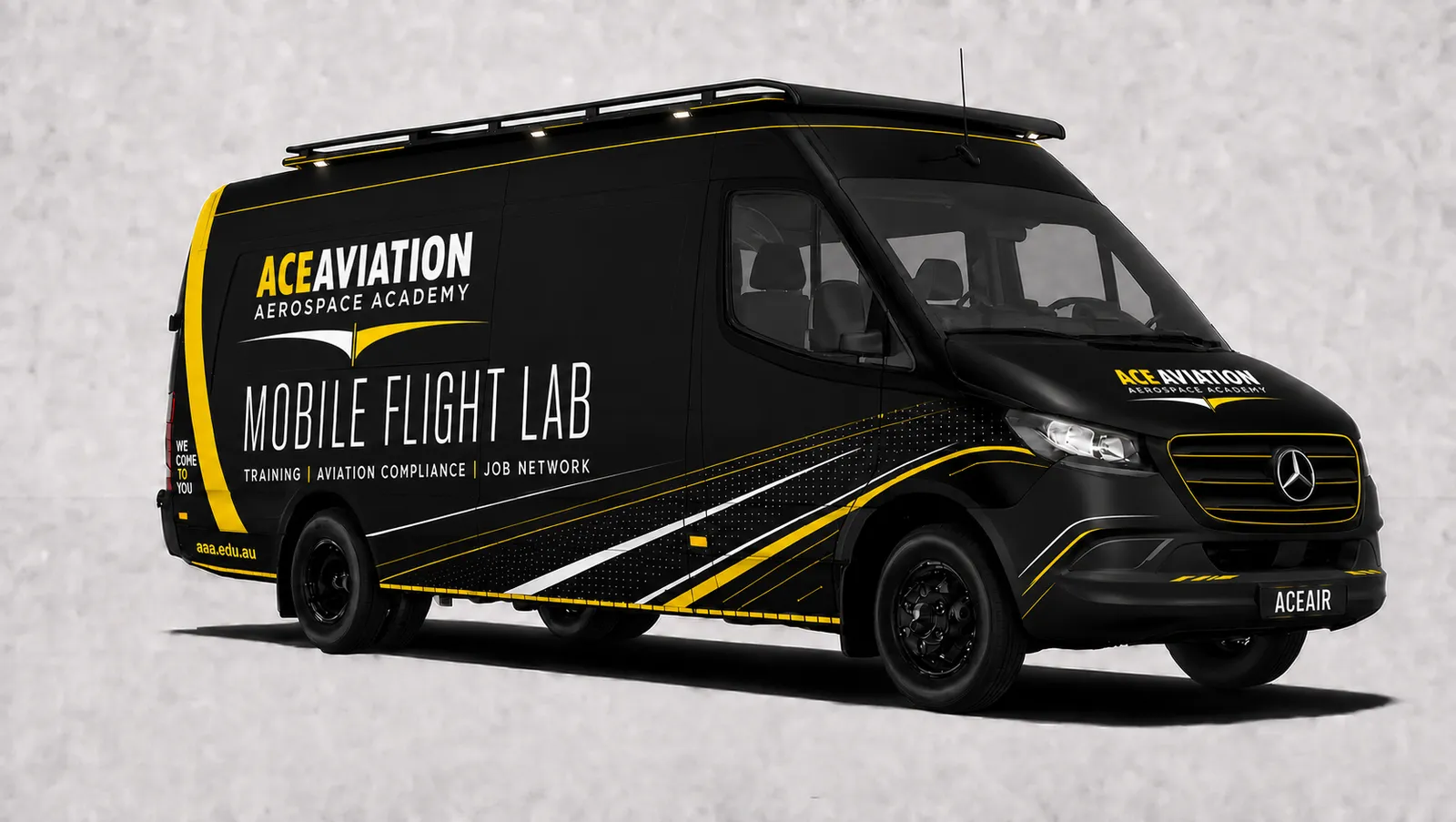
Ace’s corporate training model can be delivered on-site. Programs may be designed around the organisation’s:
- Worksites.
- Aircraft and payloads.
- Candidate experience.
- Operating locations.
- Intended missions.
- Compliance responsibilities.
- Reporting requirements.
The team completed structured theory and practical training. Some employees focused on flight operations. Others focused on data capture, site coordination and reporting.
The business also reviewed its ReOC responsibilities and operational documentation. It considered how UAMP could support mission planning and records.
After training, the team used drones for controlled internal tasks. They reduced reliance on external providers for routine progress images and improved communication between field and project teams.
The commercial benefit was not simply the cost of one avoided contractor. It came from building internal capability that could be repeated across projects.
Lesson: Corporate drone programs work best when training, equipment, governance and business goals are planned together.
What helped these representative graduates progress?
Across the case studies, five patterns appear.
1. They chose a target outcome
Each student started with a work goal. They did not begin with a generic question about which drone to buy.
2. They selected training for the work
Some needed entry-level capability. Others needed heavier aircraft, ReOC support or advanced enterprise pathways.
3. They learned the client’s language
Surveying students learned about maps and measurements. Media students learned production terms. Inspection students learned asset reporting.
4. They used support after assessment
Altitude+ and refresher support helped students continue learning. This matters because equipment, software and operating expectations change.
5. They treated compliance as a career advantage
A professional pilot does not see CASA rules as paperwork alone. Good compliance protects the client, the pilot, the aircraft and the business relationship.
Common mistakes that delay drone careers
Mistake 1: Buying equipment before defining the service
A powerful drone does not create demand. Start with the job, then select the aircraft and payload.
Mistake 2: Assuming every commercial flight needs the same licence
The right requirements depend on aircraft weight, operation type, airspace, proximity to people and the operator’s structure.
Mistake 3: Believing a RePL is the same as a ReOC
A RePL is an individual pilot qualification. A ReOC relates to the operator or business conducting approved commercial operations.
Mistake 4: Ignoring data and reporting skills
Clients often pay for maps, reports, measurements and decisions. They do not pay only for flight time.
Mistake 5: Expecting a job immediately after assessment
A licence improves your eligibility. It does not replace a portfolio, experience, communication and industry knowledge.
Mistake 6: Flying under someone else’s approval without understanding responsibilities
If you work under an existing operator, understand who controls the operation, who approves the mission and who keeps the records.
Mistake 7: Treating online information as current forever
Rules and guidance can change. Check official CASA information before each new type of operation.
CASA considerations for commercial drone work
Commercial drone work involves more than a certificate.
Depending on the operation, you may need to consider:
- An Aviation Reference Number.
- Drone registration.
- RPA operator accreditation.
- A Remote Pilot Licence.
- An AROC for relevant aviation radio operations.
- A ReOC held by the operating business.
- Aircraft category and weight.
- Visual line-of-sight requirements.
- Maximum operating height.
- Separation from people and property.
- Controlled airspace requirements.
- Night operations.
- Emergency procedures.
- Maintenance and battery records.
- Privacy and workplace safety.
- Insurance and client requirements.
- Additional approvals for complex operations.
CASA’s requirements apply whether the work involves mining, photography, agriculture or infrastructure. Read the latest official CASA drone guidance before planning a commercial mission.
A course can prepare you for the regulatory framework. It cannot authorise a flight that falls outside your approvals.
Which Ace course may suit your goal?
| Your starting point | Potential pathway | Why it may fit |
|---|---|---|
| Light commercial media or property work | Bronze | Entry RePL and AROC foundation |
| Surveying, inspection or general commercial work | Silver | Broader aircraft capability and commercial foundation |
| Starting a drone business | Gold | RePL, AROC, ReOC setup support and business preparation |
| Agriculture or enterprise operations | Platinum | Advanced aircraft, Certificate III and enterprise capability |
The right package depends on your aircraft, target industry and intended operating model. You can request a course quote before enrolling.
Practical training is available through locations including Brisbane, Sydney, Melbourne, Perth and Hobart, subject to current schedules.
Frequently asked questions
1. What is the best drone licence in Australia for paid work?
The best pathway depends on the aircraft and job. Many professional pilots choose an RePL with AROC, then add industry-specific skills.
2. Is a drone licence required for commercial work?
Commercial requirements depend on the aircraft and operation. Commercial operators generally need registration and accreditation, while many professional operations also require an RePL and access to a ReOC.
3. What is a commercial drone licence Australia employers recognise?
The RePL is the main individual commercial drone qualification. Employers may also expect AROC, larger aircraft capability, experience and industry skills.
4. What is the CASA RePL cost?
The CASA RePL cost is not one fixed national training price. Providers set course fees, and the total may include training, assessment, application and related services. Request a current quote before enrolling.
5. Can I get drone pilot jobs in Australia after training?
Training can improve your eligibility for drone pilot jobs Australia, but it cannot guarantee employment. A portfolio, industry knowledge and practical experience improve your prospects.
6. Does Ace guarantee a job through DroneWork?
No. DroneWork gives eligible graduates access to listed opportunities and commercial connections. Selection depends on the client, role, location, capability and compliance requirements.
7. What is DroneWork?
DroneWork is Ace’s job and opportunity network. It connects qualified pilots with commercial tasks, employers and potential contract pathways.
8. What is Altitude+?
Altitude+ is Ace Aviation’s student benefits program. It supports ongoing development through selected learning resources, industry benefits and career-focused support.
9. Is Altitude+ included with training?
Altitude+ benefits are associated with eligible Ace training packages. Confirm the current inclusions, activation terms and duration before enrolling.
10. Do I need a ReOC to work as a drone pilot?
Not always. You may work as a pilot under an existing operator’s ReOC. If you want to run your own approved commercial operation, you may need your own ReOC.
11. Which course is suitable for mining and surveying?
Silver may suit many pilots targeting surveying and mapping. However, larger aircraft, specialist sensors, BVLOS work or business ownership may require a broader pathway.
12. Which course is suitable for agriculture?
Agriculture may require advanced aircraft training, payload knowledge and additional operational planning. Platinum may suit some enterprise agricultural pathways, depending on the aircraft and operation.
13. Can I use a drone licence for cinematography?
Yes, an RePL can support commercial aerial media work. You should also develop camera, production, safety and client communication skills.
14. Can I study while working full-time?
Ace’s blended structure allows students to complete theory online and schedule practical training around other commitments. Check current delivery dates before enrolling.
15. Does an Australian RePL work overseas?
Not automatically. Each country has its own aviation regulator and operating rules. International students should confirm local recognition and approval requirements.
16. Can a company train several drone pilots together?
Yes. Corporate programs can be built around a team’s aircraft, worksites, operating procedures and business goals. Training may be delivered on-site across suitable locations.
17. Do I need to own a drone before starting?
No. Training aircraft are generally provided for practical sessions. You can discuss your own aircraft with the training team if you want platform-specific guidance.
18. Are high-paying drone jobs guaranteed?
No. Income varies with location, experience, sector, equipment, qualifications, demand and business skill. Higher-value roles usually require more than an entry-level licence.
Summary: your licence should lead somewhere
The strongest student outcomes do not come from a licence alone.
They come from combining:
- CASA-aligned RePL training.
- AROC and relevant aircraft capability.
- Industry-specific knowledge.
- A professional portfolio.
- Access to ongoing support through Altitude+.
- Commercial opportunities through DroneWork.
- A clear understanding of ReOC and operational responsibilities.
- Reliable communication with clients and employers.
That is the difference between learning to fly and preparing to work.
Ace Aviation has trained more than 4,000 students across Australia and internationally, with pathways covering mining, surveying, cinematography, agriculture, infrastructure and enterprise operations. Its CASA approval, CASA.ReOC.1421 status, global footprint and connected training-to-work ecosystem provide a strong foundation for students who want more than a certificate.
Ready to start? Book your training at aaa.edu.au or call 1300 336 366.
{“@graph”:[{“@id”:”https://aaa.edu.au/blog/drone-licence-australia-2026-student-case-studies”,”@type”:”Article”,”image”:[“https://aaa.edu.au/assets/2E4B6D0C-F5F8-4D56-88ED-D35B95570C53_1_105_c_1783052866704.jpeg”],”author”:{“url”:”https://aaa.edu.au/”,”name”:”Ace Aviation Aerospace Academy”,”@type”:”Organization”},”headline”:”Drone Licence Australia 2026: Student Case Studies — How Ace Aviation Graduates Land High-Paying Drone Jobs”,”keywords”:[“drone licence australia”,”commercial drone licence australia”,”drone pilot jobs australia”,”CASA RePL”,”DroneWork”,”Altitude+”],”publisher”:{“url”:”https://aaa.edu.au/”,”logo”:{“url”:”https://aaa.edu.au/assets/ace-logo-transparent.png”,”@type”:”ImageObject”},”name”:”Ace Aviation Aerospace Academy”,”@type”:”Organization”},”description”:”Explore drone licence Australia graduate case studies across mining, film, agriculture and inspection. Learn the pathway and book today.”,”dateModified”:”2026-09-14″,”datePublished”:”2026-09-14″,”articleSection”:[“Drone Training”,”Student Success”,”Drone Careers”,”CASA Compliance”],”mainEntityOfPage”:{“@id”:”https://aaa.edu.au/blog/drone-licence-australia-2026-student-case-studies”,”@type”:”WebPage”}},{“@id”:”https://aaa.edu.au/blog/drone-licence-australia-2026-student-case-studies#faq”,”@type”:”FAQPage”,”mainEntity”:[{“name”:”What is the best drone licence in Australia for paid work?”,”@type”:”Question”,”acceptedAnswer”:{“text”:”The best pathway depends on the aircraft and job. Many professional pilots choose an RePL with AROC, then add industry-specific skills.”,”@type”:”Answer”}},{“name”:”Is a drone licence required for commercial work?”,”@type”:”Question”,”acceptedAnswer”:{“text”:”Commercial requirements depend on the aircraft and operation. Commercial operators generally need registration and accreditation, while many professional operations also require an RePL and access to a ReOC.”,”@type”:”Answer”}},{“name”:”What is a commercial drone licence Australia employers recognise?”,”@type”:”Question”,”acceptedAnswer”:{“text”:”The RePL is the main individual commercial drone qualification. Employers may also expect AROC, larger aircraft capability, experience and industry skills.”,”@type”:”Answer”}},{“name”:”What is the CASA RePL cost?”,”@type”:”Question”,”acceptedAnswer”:{“text”:”The CASA RePL cost is not one fixed national training price. Providers set course fees, and the total may include training, assessment, application and related services.”,”@type”:”Answer”}},{“name”:”Can I get drone pilot jobs in Australia after training?”,”@type”:”Question”,”acceptedAnswer”:{“text”:”Training can improve your eligibility for drone pilot jobs Australia, but it cannot guarantee employment. A portfolio, industry knowledge and practical experience improve your prospects.”,”@type”:”Answer”}},{“name”:”Does Ace guarantee a job through DroneWork?”,”@type”:”Question”,”acceptedAnswer”:{“text”:”No. DroneWork gives eligible graduates access to listed opportunities and commercial connections. Selection depends on the client, role, location, capability and compliance requirements.”,”@type”:”Answer”}},{“name”:”What is DroneWork?”,”@type”:”Question”,”acceptedAnswer”:{“text”:”DroneWork is Ace’s job and opportunity network. It connects qualified pilots with commercial tasks, employers and potential contract pathways.”,”@type”:”Answer”}},{“name”:”What is Altitude+?”,”@type”:”Question”,”acceptedAnswer”:{“text”:”Altitude+ is Ace Aviation’s student benefits program. It supports ongoing development through selected learning resources, industry benefits and career-focused support.”,”@type”:”Answer”}},{“name”:”Is Altitude+ included with training?”,”@type”:”Question”,”acceptedAnswer”:{“text”:”Altitude+ benefits are associated with eligible Ace training packages. Students should confirm current inclusions, activation terms and duration before enrolling.”,”@type”:”Answer”}},{“name”:”Do I need a ReOC to work as a drone pilot?”,”@type”:”Question”,”acceptedAnswer”:{“text”:”Not always. You may work as a pilot under an existing operator’s ReOC. If you want to run your own approved commercial operation, you may need your own ReOC.”,”@type”:”Answer”}},{“name”:”Which course is suitable for mining and surveying?”,”@type”:”Question”,”acceptedAnswer”:{“text”:”Silver may suit many pilots targeting surveying and mapping. Larger aircraft, specialist sensors, BVLOS work or business ownership may require a broader pathway.”,”@type”:”Answer”}},{“name”:”Which course is suitable for agriculture?”,”@type”:”Question”,”acceptedAnswer”:{“text”:”Agriculture may require advanced aircraft training, payload knowledge and additional operational planning. Platinum may suit some enterprise agricultural pathways, depending on the aircraft and operation.”,”@type”:”Answer”}},{“name”:”Can I use a drone licence for cinematography?”,”@type”:”Question”,”acceptedAnswer”:{“text”:”Yes, an RePL can support commercial aerial media work. You should also develop camera, production, safety and client communication skills.”,”@type”:”Answer”}},{“name”:”Can I study while working full-time?”,”@type”:”Question”,”acceptedAnswer”:{“text”:”Ace’s blended structure allows students to complete theory online and schedule practical training around other commitments. Check current delivery dates before enrolling.”,”@type”:”Answer”}},{“name”:”Does an Australian RePL work overseas?”,”@type”:”Question”,”acceptedAnswer”:{“text”:”Not automatically. Each country has its own aviation regulator and operating rules. International students should confirm local recognition and approval requirements.”,”@type”:”Answer”}},{“name”:”Can a company train several drone pilots together?”,”@type”:”Question”,”acceptedAnswer”:{“text”:”Yes. Corporate programs can be built around a team’s aircraft, worksites, operating procedures and business goals. Training may be delivered on-site across suitable locations.”,”@type”:”Answer”}},{“name”:”Do I need to own a drone before starting?”,”@type”:”Question”,”acceptedAnswer”:{“text”:”No. Training aircraft are generally provided for practical sessions. You can discuss your own aircraft with the training team if you want platform-specific guidance.”,”@type”:”Answer”}},{“name”:”Are high-paying drone jobs guaranteed?”,”@type”:”Question”,”acceptedAnswer”:{“text”:”No. Income varies with location, experience, sector, equipment, qualifications, demand and business skill. Higher-value roles usually require more than an entry-level licence.”,”@type”:”Answer”}}]},{“@id”:”https://aaa.edu.au/#organization”,”url”:”https://aaa.edu.au/”,”logo”:”https://aaa.edu.au/assets/ace-logo-transparent.png”,”name”:”Ace Aviation Aerospace Academy”,”@type”:”Organization”,”sameAs”:[“https://dronework.com.au/”],”telephone”:”+61 1300 336 366″,”description”:”CASA-approved drone pilot training provider offering RePL, AROC, ReOC, Certificate III in Aviation and specialist commercial drone training.”}],”@context”:”https://schema.org”}