A drone licence Australia does not give a pilot automatic access to controlled airspace or airport-proximity areas. Before flying, check the airspace, airport restrictions and aircraft weight. If the planned operation needs CASA approval, the responsible operator must obtain it and follow every condition.
Drone licence Australia: short direct answer
A RePL qualifies you to pilot; it does not, by itself, authorise a flight near an airport. Check current CASA maps and rules, identify whether the operation needs an approval, then have the eligible operator apply before flying. An app map or airport notification is not permission.
What controlled airspace means for drone pilots
Controlled airspace is airspace where air traffic control services apply to relevant aircraft. Australia uses airspace classes, including C, D and E. Their boundaries and operating conditions differ, so a location’s class alone does not tell you whether a drone flight is allowed.
For drone pilots, two questions matter: is the operation in controlled airspace, and does it fall within an airport or other restricted area? These rules can overlap, but they are not the same. A flight below 120 metres may still be restricted because it is close to an airport or lies in a runway approach or departure path.
Part 101 of the Civil Aviation Safety Regulations sets the baseline for remotely piloted aircraft. In some controlled airspace, a drone may fly below 400 feet without a separate CASA airspace approval if the site is outside a relevant no-fly zone. However, that does not cancel airport-proximity limits or any other applicable requirements.
As a result, never use “controlled airspace” as a simple yes-or-no answer. Check the exact site, planned height, aircraft weight, airport status and flight path. Then confirm which permissions apply to that operation.
Why city airports require careful checks
Brisbane, Sydney, Melbourne, Perth and Hobart each have busy airports and surrounding aviation activity. Their controlled airspace, runway paths and local operating arrangements affect nearby drone flights. A map that looks clear at street level may still place a planned flight within a restricted area.
Heliports also need attention. Restrictions depend on the location, airspace, site type and activity. Do not assume every heliport has the same radius or rules as a controlled airport. Instead, check the current CASA guidance and local site requirements before planning a flight.
Airport restrictions, approvals and briefings are different
A controlled airspace authorisation is formal permission for an operation that requires CASA approval. The approval applies to the stated operation and may set conditions such as location, height, time, aircraft or safety controls. It does not grant blanket access for future flights.
An ERSA entry or NOTAM provides aviation information. ERSA is the En Route Supplement Australia, which includes aerodrome information. NOTAMs share time-sensitive notices about aviation facilities or hazards. These sources can help you understand current activity, but reading them does not authorise a drone flight.
A CASA-verified drone app or area briefing can help you check location-based guidance. However, a map or briefing is not an approval unless you use a specific CASA-authorised process and receive approval through it. Always follow the permission’s terms, not just the app display.
Also check whether you need to coordinate with an airport operator or another party. Their agreement is separate from CASA approval. Likewise, an app alert, NOTAM, or conversation with airport staff does not replace a required CASA authorisation.

Key facts: RePL, authorisations and ReOC
| Situation | What you need | Typical lead time | Notes |
|---|---|---|---|
| Flight in a location permitted by Part 101, outside restricted airport areas | Follow applicable Part 101 rules; hold a RePL if the operation requires one | Varies, apply early | A RePL is a pilot qualification, not permission to enter restricted airspace. |
| Flight in an airport-proximity area or other location that requires CASA approval | Relevant CASA approval and compliance with its conditions; other site permissions may also apply | Varies, apply early | Confirm the exact location, height, aircraft and airport restrictions before applying. |
| Commercial operation needing an approval, managed by a ReOC holder | ReOC, qualified pilot and the relevant flight approval; the Chief Remote Pilot normally manages the application | Varies, apply early | A ReOC supports the approval pathway but does not guarantee approval. |
A RePL and a ReOC serve different roles. The RePL is an individual pilot qualification. The ReOC is an operator certificate held by an organisation. CASA’s approval route for formal flight authorisations is generally managed by a ReOC holder’s Chief Remote Pilot.
In 2026, CASA has also described an automated authorisation trial for eligible ReOC operators at selected locations. Eligibility and airport coverage can change. Check current CASA guidance before relying on an app-based request or assuming an airport participates.
Step-by-step: request a controlled airspace authorisation
-
Define the operation. Record the purpose, proposed date and time, aircraft, pilot, height and flight area. If the job changes, reassess the approval before flying.
-
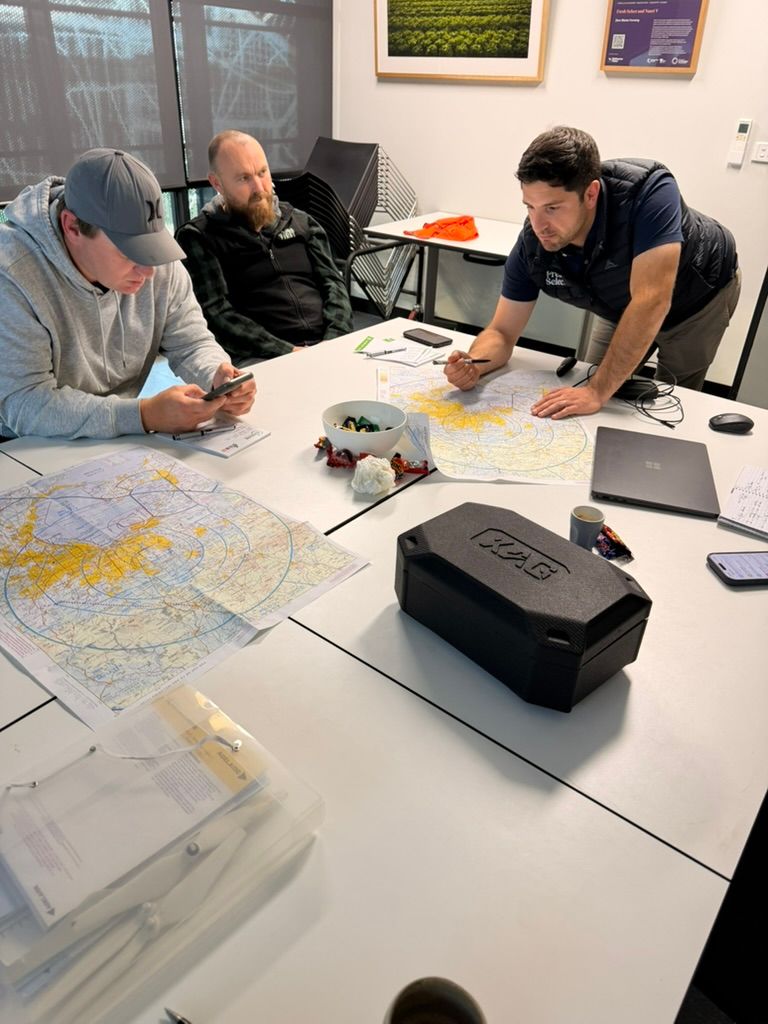
Check the site and airspace. Use current CASA-verified tools and aeronautical information. Confirm the airport’s status, distance, runway paths, airspace class and any heliport or local restrictions.
-
Identify the approval route. Check whether the operation falls into a CASA approval category. If it does, do not rely on a RePL, a clear-looking app map or an airport briefing as permission.
-
Confirm who can apply. For the formal flight-approval route, the ReOC holder’s Chief Remote Pilot generally submits the application. A pilot without an eligible operator should contact a ReOC operator or seek guidance from CASA.
-
Prepare complete supporting information. CASA may need the application form, flight geometry, proposed operating heights and times, aircraft details, risk assessment, relevant operational procedures and safety measures. Follow the current form instructions.
-
Submit and respond. Send the application through the current CASA process. Then answer requests for more information and allow time for review. Processing varies, so apply early and avoid booking a job around an unconfirmed approval.
-
Review the approval before flight. Check the approved site, dates, heights, aircraft and conditions. Brief everyone involved, coordinate with relevant parties and keep the approval available. If the operation no longer matches it, pause and seek advice.
An automated pathway may be available to eligible ReOC holders at participating locations. It has its own requirements, such as pilot, aircraft and operating conditions. Check CASA’s current list and instructions before using it.

Common Mistakes
-
Treating a RePL as airspace permission. It demonstrates pilot competence. It does not authorise a restricted flight.
-
Assuming all controlled airspace is treated alike. Class, height, aerodrome status and airport restrictions can change the answer.
-
Checking only the drone app. Apps support planning, but they do not replace CASA rules or a formal approval.
-
Confusing a NOTAM with permission. A NOTAM informs pilots about relevant conditions. It does not approve a drone operation.
-
Using the wrong map pin or flight boundary. A small location error can put the job inside a runway path or restricted area. Check the full flight geometry.
-
Applying with incomplete details. Missing coordinates, heights, times or safety measures can delay assessment or lead to a request for more information.
-
Assuming airport permission equals CASA approval. These are separate matters. Get each permission or coordination step that applies.
-
Flying outside the approval conditions. Changes to the site, time, height or aircraft can invalidate the plan. Pause and confirm before proceeding.
Examples: how the rules affect a planned job
A survey outside an airport restriction: A RePL holder plans a low-level survey in a location that is outside relevant airport restrictions and otherwise permitted by Part 101. The pilot still checks the exact site, airspace and operating limits. A RePL alone does not remove those checks.
A roof inspection near a controlled airport: A business needs imagery near an airport in Sydney. The operator checks the airport boundary, approach paths and current CASA guidance. If CASA approval is required, the ReOC holder’s Chief Remote Pilot applies and waits for a decision before confirming the flight.
A job near a heliport: A client requests work beside a heliport in Melbourne. The pilot checks whether the site is active, what airspace and local restrictions apply, and whether the operation needs coordination or approval. The pilot does not assume that the controlled-airport radius automatically applies.
These examples show why distance alone is not enough. The aircraft, location, height, path and current operating conditions all matter.
RePL training in major cities
Airport layouts and nearby airspace differ, but the need for careful planning does not. Ace Aviation offers city training pages for Melbourne, Brisbane, Sydney, Perth and Hobart. Training helps pilots understand operational planning; it does not grant airport access.
Drone Licence Australia Compliance: Controlled Airspace Rules Under CASA Regulations
Part 101 sets the rules for drone operations. Before each flight, confirm current CASA requirements and any conditions that apply to the location. See CASA’s drone guidance for the latest approval process and operational rules.
A CASA approval is not a substitute for other required permissions. For example, you may also need to follow airport or site procedures. Keep a record of planning, approvals and briefings, and make sure all crew understand the limits.
How a ReOC can help
A ReOC gives an organisation a structured pathway to manage commercial operations and seek flight approvals. The Chief Remote Pilot can prepare the application, document risks and ensure pilots understand the approval’s limits. This can help an operator handle complex work more consistently.
Ace Aviation holds operator certificate CASA.ReOC.1421. The academy has trained over 4,000 students and operates across Australia, Singapore, Dubai, Korea and Malaysia. Students can also access the Altitude+ benefits program through the Ace Aviation homepage. For career opportunities, Ace’s DroneWork job platform connects pilots with industry pathways.
A ReOC is not a guarantee that CASA will approve a request. The operation must still meet the relevant requirements, and the pilot must follow the approval conditions. Learn more about Ace’s courses and training approach in Why Ace.
Frequently Asked Questions
1. What counts as controlled airspace?
Controlled airspace is airspace where air traffic control services apply to relevant aircraft. Australia includes Classes C, D and E. Boundaries and conditions vary, so check the exact location and current guidance.
2. Can I fly near an airport with just a RePL?
Not automatically. A RePL qualifies you to pilot, but it does not provide airport access. Check airport restrictions and obtain any CASA approval required for the specific operation.
3. How do I check whether an area is controlled airspace?
Use current CASA-verified drone safety apps and check relevant aeronautical charts and information. Also review airport restrictions and the flight area. A map is a planning aid, not permission.
4. What does a controlled airspace authorisation involve?
It is formal CASA permission for an operation that requires approval. The application may include location, height, time, aircraft, risk controls and supporting procedures. The approval can set specific operating conditions.
5. Does a ReOC help with controlled-airspace work?
Yes. A ReOC holder’s Chief Remote Pilot generally manages formal flight-approval applications. However, a ReOC does not guarantee approval, and pilots must follow all approval conditions.
6. Do rules differ at Brisbane, Sydney, Melbourne, Perth and Hobart airports?
The same national rules apply, but local airspace, airport boundaries, runway paths and operating arrangements differ. Check the exact site and current CASA information for each airport.
7. What happens if I fly near an airport without permission?
CASA may investigate and take enforcement action. Outcomes can include warnings, infringement action, operating restrictions or court proceedings. Check current CASA guidance for applicable penalties.
8. Do I need an AROC or radio to fly in controlled airspace?
Radio requirements depend on the operation and its approval conditions. An AROC is a separate certificate for aeronautical radio use. Do not assume a radio call replaces a required CASA approval.
9. Do NOTAMs and ERSA entries give me permission to fly?
No. They provide aviation information, such as aerodrome details or temporary notices. They do not authorise a drone flight or replace a required CASA approval.
10. Is drone registration linked to controlled airspace approval?
Registration and approval are separate requirements. Where registration applies, keep it current. Some approval pathways may also require a registered aircraft, so check the current eligibility rules.
11. Can hobbyists ever get approval to fly near an airport?
Hobbyists must follow the same applicable flight restrictions. Formal approval applications generally go through a ReOC holder’s Chief Remote Pilot. A hobbyist should not fly in a restricted area without the required permission.
12. How long does a controlled-airspace approval take?
Processing varies with the operation and the quality of the application. Apply early, allow time for questions or changes, and do not fly until you have the required approval.
13. Does insurance cover a flight without approval?
Insurance terms vary by policy. Do not assume cover applies to a flight that breaks aviation rules or approval conditions. Check your policy and confirm the operation is compliant before flying.
14. How does Ace training prepare pilots for controlled-airspace operations?
Ace training develops practical knowledge of aviation procedures, charts, operational planning and compliance. Explore Ace’s courses or contact the team to discuss your pathway.
15. Can international visitors use Ace training for Australian operations?
Ace has a global footprint across Australia, Singapore, Dubai, Korea and Malaysia. However, training or licences from another country do not automatically authorise Australian operations. Check current CASA requirements for your circumstances.
16. Where can I get help with a planned flight?
Start with current CASA guidance and the relevant airport or site operator. For training questions, contact Ace Aviation. If you need a formal approval, confirm the eligible application route before planning the flight.
Summary
Flying near airports and in controlled airspace calls for careful checks, not guesswork. A RePL is a pilot qualification, while a CASA approval is separate permission for an operation that needs it. Check maps, airport restrictions and current rules, then apply early through the eligible operator when required.
Ace Aviation combines CASA-aligned training with operational experience, ReOC support and career pathways. The academy has trained more than 4,000 students, operates across five countries and offers Altitude+ benefits and access to DroneWork.
Ready to start? Book your training at aaa.edu.au or call 1300 336 366.
Meta description: Drone licence Australia guide to airport and controlled-airspace approvals. Learn the CASA steps, avoid mistakes and book training with Ace.
{“@graph”:[{“@type”:”Article”,”image”:”https://cdn.marblism.com/fW17lGYEZC7.jpg”,”author”:{“name”:”Ace Aviation Aerospace Academy”,”@type”:”Organization”},”headline”:”Drone Licence Australia 2026: Flying in Controlled Airspace — How to Get CASA Approval Near Airports and Cities”,”publisher”:{“url”:”https://aaa.edu.au”,”name”:”Ace Aviation Aerospace Academy”,”@type”:”Organization”},”description”:”A practical guide to CASA controlled-airspace approvals and drone flights near Australian airports.”,”dateModified”:”2026-10-26″,”datePublished”:”2026-10-26″,”mainEntityOfPage”:”https://aaa.edu.au”},{“url”:”https://aaa.edu.au”,”name”:”Ace Aviation Aerospace Academy”,”@type”:”Organization”,”telephone”:”1300 336 366″,”description”:”Ace Aviation Aerospace Academy provides CASA-aligned aviation and drone pilot training and holds operator certificate CASA.ReOC.1421.”},{“@type”:”FAQPage”,”mainEntity”:[{“name”:”What counts as controlled airspace?”,”@type”:”Question”,”acceptedAnswer”:{“text”:”Controlled airspace is airspace where air traffic control services apply to relevant aircraft. Australia includes Classes C, D and E. Boundaries and conditions vary, so check the exact location and current guidance.”,”@type”:”Answer”}},{“name”:”Can I fly near an airport with just a RePL?”,”@type”:”Question”,”acceptedAnswer”:{“text”:”Not automatically. A RePL qualifies you to pilot, but it does not provide airport access. Check airport restrictions and obtain any CASA approval required for the specific operation.”,”@type”:”Answer”}},{“name”:”How do I check whether an area is controlled airspace?”,”@type”:”Question”,”acceptedAnswer”:{“text”:”Use current CASA-verified drone safety apps and check relevant aeronautical charts and information. Also review airport restrictions and the flight area. A map is a planning aid, not permission.”,”@type”:”Answer”}},{“name”:”What does a controlled airspace authorisation involve?”,”@type”:”Question”,”acceptedAnswer”:{“text”:”It is formal CASA permission for an operation that requires approval. The application may include location, height, time, aircraft, risk controls and supporting procedures. The approval can set specific operating conditions.”,”@type”:”Answer”}},{“name”:”Does a ReOC help with controlled-airspace work?”,”@type”:”Question”,”acceptedAnswer”:{“text”:”Yes. A ReOC holder’s Chief Remote Pilot generally manages formal flight-approval applications. However, a ReOC does not guarantee approval, and pilots must follow all approval conditions.”,”@type”:”Answer”}},{“name”:”Do rules differ at Brisbane, Sydney, Melbourne, Perth and Hobart airports?”,”@type”:”Question”,”acceptedAnswer”:{“text”:”The same national rules apply, but local airspace, airport boundaries, runway paths and operating arrangements differ. Check the exact site and current CASA information for each airport.”,”@type”:”Answer”}},{“name”:”What happens if I fly near an airport without permission?”,”@type”:”Question”,”acceptedAnswer”:{“text”:”CASA may investigate and take enforcement action. Outcomes can include warnings, infringement action, operating restrictions or court proceedings. Check current CASA guidance for applicable penalties.”,”@type”:”Answer”}},{“name”:”Do I need an AROC or radio to fly in controlled airspace?”,”@type”:”Question”,”acceptedAnswer”:{“text”:”Radio requirements depend on the operation and its approval conditions. An AROC is a separate certificate for aeronautical radio use. Do not assume a radio call replaces a required CASA approval.”,”@type”:”Answer”}},{“name”:”Do NOTAMs and ERSA entries give me permission to fly?”,”@type”:”Question”,”acceptedAnswer”:{“text”:”No. They provide aviation information, such as aerodrome details or temporary notices. They do not authorise a drone flight or replace a required CASA approval.”,”@type”:”Answer”}},{“name”:”Is drone registration linked to controlled airspace approval?”,”@type”:”Question”,”acceptedAnswer”:{“text”:”Registration and approval are separate requirements. Where registration applies, keep it current. Some approval pathways may also require a registered aircraft, so check the current eligibility rules.”,”@type”:”Answer”}},{“name”:”Can hobbyists ever get approval to fly near an airport?”,”@type”:”Question”,”acceptedAnswer”:{“text”:”Hobbyists must follow the same applicable flight restrictions. Formal approval applications generally go through a ReOC holder’s Chief Remote Pilot. A hobbyist should not fly in a restricted area without the required permission.”,”@type”:”Answer”}},{“name”:”How long does a controlled-airspace approval take?”,”@type”:”Question”,”acceptedAnswer”:{“text”:”Processing varies with the operation and the quality of the application. Apply early, allow time for questions or changes, and do not fly until you have the required approval.”,”@type”:”Answer”}},{“name”:”Does insurance cover a flight without approval?”,”@type”:”Question”,”acceptedAnswer”:{“text”:”Insurance terms vary by policy. Do not assume cover applies to a flight that breaks aviation rules or approval conditions. Check your policy and confirm the operation is compliant before flying.”,”@type”:”Answer”}},{“name”:”How does Ace training prepare pilots for controlled-airspace operations?”,”@type”:”Question”,”acceptedAnswer”:{“text”:”Ace training develops practical knowledge of aviation procedures, charts, operational planning and compliance. Explore Ace’s courses or contact the team to discuss your pathway.”,”@type”:”Answer”}},{“name”:”Can international visitors use Ace training for Australian operations?”,”@type”:”Question”,”acceptedAnswer”:{“text”:”Ace has a global footprint across Australia, Singapore, Dubai, Korea and Malaysia. However, training or licences from another country do not automatically authorise Australian operations. Check current CASA requirements for your circumstances.”,”@type”:”Answer”}},{“name”:”Where can I get help with a planned flight?”,”@type”:”Question”,”acceptedAnswer”:{“text”:”Start with current CASA guidance and the relevant airport or site operator. For training questions, contact Ace Aviation. If you need a formal approval, confirm the eligible application route before planning the flight.”,”@type”:”Answer”}}]}],”@context”:”https://schema.org”}