Meta description: Get your drone licence Australia with Ace Aviation and see how career changers launch commercial pilot careers. Book today.
Short answer: Can a career changer earn a drone licence in Australia?
Yes. Career changers can earn a CASA Remote Pilot Licence (RePL) without aviation experience. With structured training, practical flight assessment and industry support, they can move towards commercial work in media, construction, mining, agriculture, inspection and surveying.
The stories below are anonymised composite examples. They represent common student pathways and are not guarantees of employment, income or contract work.
Why career changers are choosing a drone licence Australia pathway
A drone licence can add a new skill to an existing career. It can also open a door into a different industry.
Many new students already understand photography, machinery, farming, construction, logistics or business. They do not always need to start from zero. Instead, they learn how to apply their existing experience in a regulated aviation environment.
In Australia, the formal qualification is the Remote Pilot Licence, or RePL. A RePL is commonly called a drone licence, drone pilot licence or commercial drone licence.
For many professional operations, the licence is only the first step. Pilots may also need:
- An Aviation Reference Number (ARN)
- Aircraft registration
- Operator accreditation for limited excluded-category operations
- An Aeronautical Radio Operator Certificate (AROC)
- Access to a Remotely Piloted Aircraft Operator’s Certificate (ReOC)
- Additional training for night operations, agriculture, BVLOS or specialised aircraft
- Strong knowledge of risk management and aviation procedures
CASA rules depend on the aircraft, operation, location and purpose of the flight. Always check the latest requirements through CASA’s Remote Pilot Licence guidance.
Ace Aviation is a CASA-approved training provider operating under CASA.ReOC.1421. The academy has trained more than 4,000 students and supports pilots across Australia and internationally, including Singapore, Dubai, Korea and Malaysia.
Five career-change journeys into commercial drone work
The following case studies are representative composites. They combine common student goals, challenges and outcomes. They do not describe one identifiable person.
1. The photographer who wanted more than beautiful footage
A freelance photographer had spent years taking property, tourism and event images. She already understood composition, lighting and client communication.
However, she wanted to move beyond basic aerial footage. Her goal was to deliver professional content for builders, tourism operators and property developers.
Her first challenge was regulation. She knew how to create strong images, but she was less familiar with controlled airspace, aviation maps and operational risk.
The pathway looked like this:
- Complete online preparation and practice assessments.
- Attend live RePL theory training.
- Learn aviation law, weather, navigation and human factors.
- Complete supervised practical flight training.
- Pass the theory and practical assessments.
- Build a portfolio that showed safe and professional operations.
After training, she began offering aerial photography as part of a wider content service. The RePL did not replace her photography skills. Instead, it made those skills more useful to commercial clients.
Her biggest lesson was simple: clients value reliable delivery, not only attractive footage. A licensed pilot who can plan safely may stand out from an operator who only knows how to fly a drone.
2. The tradie who added aerial data to existing services
A qualified tradesperson had worked on roofs, commercial buildings and maintenance projects. He understood site access, workplace safety and the practical problems faced by contractors.
He wanted to use drones for roof inspections, progress photos and condition reports. At first, he assumed a drone licence would mainly involve learning to control the aircraft.
The course showed him that professional flying involves much more. He needed to understand:
- The limits of the aircraft
- Safe separation from people and property
- Site-specific hazards
- Weather and visibility
- Emergency procedures
- Pre-flight planning
- Evidence and reporting requirements
This background helped him understand the operational side of drone work. He already knew how to assess a worksite. RePL training helped him apply that judgement to aviation.
He started by adding aerial inspections to existing client conversations. This approach was lower risk than launching an entirely new business. It also allowed him to use his trade knowledge as a point of difference.
For career changers, this is an important pattern. A drone licence can support an existing profession. It does not always require abandoning the career you already have.

3. The FIFO worker who wanted a more flexible career
A FIFO mining worker had experience with remote sites, safety systems and strict work procedures. The roster provided a good income, but the lifestyle was becoming difficult.
He was interested in mine surveys, stockpile measurement and infrastructure monitoring. He wanted a skill that could connect with the resources sector while offering a different working pattern.
His main concern was whether he could study while working away from home. A blended pathway helped. He could complete preparation online, attend live theory sessions and schedule practical training around his roster.
The transition required more than holding a licence. Mining clients often expect pilots to understand site inductions, communications, exclusion zones and reporting standards.
He therefore focused on:
- Sub-25 kg RePL capability
- AROC training
- Site safety and risk controls
- Mapping and data collection workflows
- Professional reports
- Communication with supervisors and survey teams
Rather than presenting himself as “a drone pilot looking for any work”, he positioned himself as a resources professional with drone capability.
That distinction matters. Employers and contractors often value industry knowledge alongside flight skills.
4. The farmer who moved into agricultural drone operations
A regional farmer understood crop cycles, paddock access, weather changes and seasonal pressure. He became interested in crop monitoring and agricultural drone systems.
Agriculture can involve larger aircraft, specialist payloads and complex operating environments. Therefore, a basic recreational flying course would not have been enough for his plans.
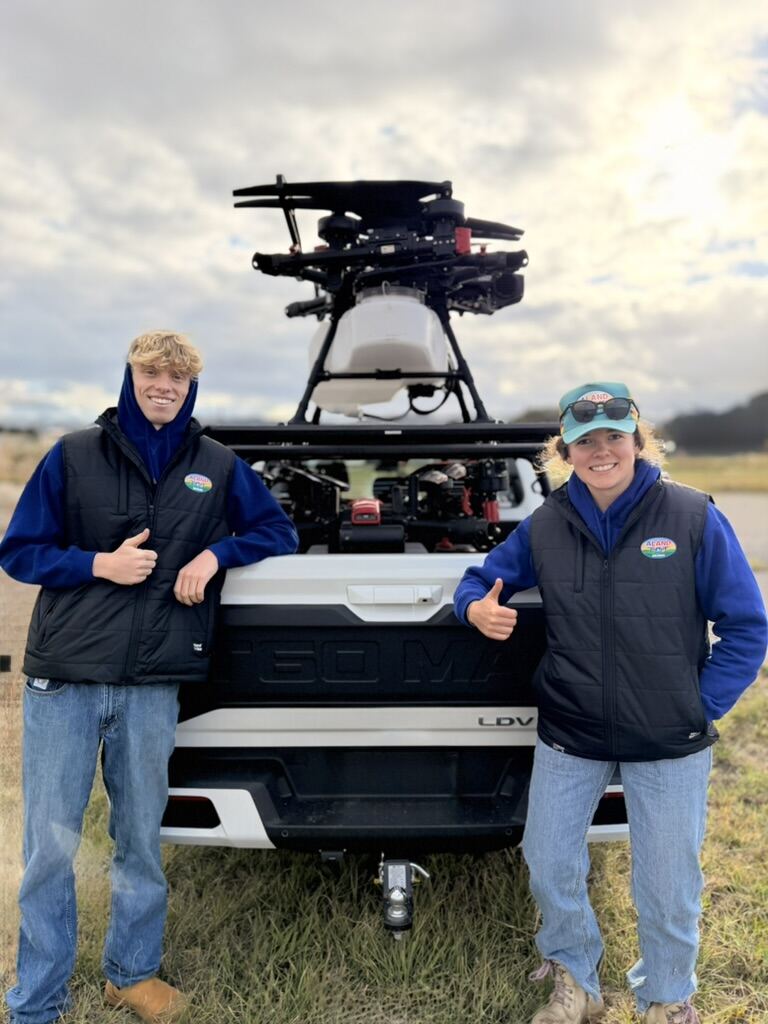
His pathway included a commercial RePL foundation and further exposure to agricultural operations. He learned that spraying, spreading and mapping require careful planning. They also involve responsibilities beyond simply controlling the aircraft.
Important areas included:
- Aircraft weight and category
- Payload management
- Battery and charging procedures
- Weather and wind assessment
- Chemical handling requirements
- Property boundaries
- Flight area controls
- Emergency response
- Maintenance and record keeping
Training on professional equipment gave him a clearer picture of the work. It also helped him decide whether agriculture was a genuine business opportunity or simply an interesting idea.
For students considering agriculture, the right licence category matters. A larger aircraft may require additional training, approvals and operational controls. Students should not assume that a small-drone licence covers every agricultural application.
5. The corporate employee who built a new technical specialty
A corporate employee worked in project coordination and business operations. She had no aviation background, but she was comfortable with documentation, deadlines and stakeholder communication.
Her interest began when her employer started exploring drones for asset inspection and site reporting. She decided to earn a personal qualification first.
The technical language initially felt unfamiliar. Terms such as airspace, NOTAMs, visual line of sight and operational risk were new.
However, her existing skills were valuable. She was organised, comfortable with process and willing to prepare carefully.
Her development plan focused on:
- Completing the core RePL qualification
- Understanding how businesses operate under a ReOC
- Learning how to write clear risk controls
- Building confidence with practical flight
- Exploring inspection and mapping applications
- Connecting with industry opportunities through DroneWork
This pathway shows that drone work is not limited to people who grew up flying aircraft. Commercial operations need planners, coordinators, data specialists and safety-focused professionals as well as pilots.
Key facts about getting a commercial drone licence in Australia
| Topic | What career changers should know |
|---|---|
| Official qualification | The CASA Remote Pilot Licence, commonly called a RePL |
| Prior aviation experience | Usually not required for entry-level RePL training |
| Typical starting point | RePL for the relevant aircraft weight category |
| Common supporting credential | AROC, or Aeronautical Radio Operator Certificate |
| Commercial environment | Pilots generally work under their own ReOC or an employer’s ReOC |
| Training format | Online preparation, live theory and practical flight assessment |
| Common industries | Agriculture, construction, mining, surveying, inspection, media and utilities |
| Licence cost | Depends on aircraft category, training package and added qualifications |
| Career support | May include refresher training, networking, job access and development support |
| Important warning | A licence does not guarantee employment or income |
| Regulatory source | CASA Remote Pilot Licence information |
The step-by-step pathway from career changer to commercial pilot
Step 1: Define the work you want to do
Start with the job, not the aircraft.
Ask:
- Do I want to work in media?
- Do I want to inspect buildings or infrastructure?
- Do I want to support mining or construction?
- Do I want to work in agriculture?
- Do I want to build a drone business?
- Do I want to add drone capability to my current career?
Your answer will influence the aircraft category, endorsements and practical skills you need.
The Ace Aviation Licence Finder can help you compare possible pathways.
Step 2: Choose the right training level
A very light drone may fit within a limited operating category. However, many employers prefer a RePL-qualified pilot.
The most common commercial pathway includes:
- Sub-7 kg RePL training
- Sub-25 kg RePL training
- AROC
- Night VLOS training
- Additional specialist training where required
Students planning larger agricultural or industrial work may need a more advanced pathway. The Ace Aviation course options show how packages can combine licences, radio training and career support.
Step 3: Complete theory preparation
Theory helps you understand the aviation system around the drone.
Topics commonly include:
- Aviation legislation
- Airspace
- Meteorology
- Navigation
- Human factors
- Aircraft systems
- Safety management
- Emergency procedures
- Operational planning
Good theory preparation reduces stress during practical training. It also helps career changers understand why safe commercial flying involves more than joystick control.
Step 4: Attend practical flight training
Practical training develops control, judgement and consistency.
Students usually practise:
- Pre-flight inspections
- Take-off and landing
- Hovering
- Directional flight
- Navigation
- Lost-link and emergency procedures
- Maintaining visual line of sight
- Safe use of the flight area
- Communication with the supervising instructor
The aim is not to perform dramatic manoeuvres. The aim is to operate predictably and safely.

Step 5: Complete assessments and licence processing
The course includes theory assessment and a practical flight assessment. Your training provider helps prepare the required documentation for the licensing process.
The exact process can depend on the licence category and CASA requirements in place at the time. Therefore, students should confirm current details with their provider and CASA.
Step 6: Build a work-ready portfolio
A licence proves that you met a required competency standard. It does not automatically prove that you can deliver every type of client project.
Build evidence of capability through:
- Safe flight planning examples
- Sample inspection reports
- Mapping outputs
- Agricultural workflow knowledge
- Photography or video portfolios
- Written risk assessments
- Clear client proposals
- Professional communication
Do not claim experience you do not have. Instead, explain what you can safely deliver and where you are still developing.
Step 7: Connect with opportunities
Once licensed, students need to find work, clients or internal opportunities.
Ace Aviation’s DroneWork job board connects qualified pilots with commercial tasks and employers across Australia. Opportunities can include agriculture, construction, inspection, media, mining, surveying and utilities.
Job access is not a promise of employment. However, it can reduce the gap between training and the first commercial conversation.
Where career changers can train across Australia
Ace Aviation supports students in several locations, with theory delivery available online and practical training scheduled at selected sites.
- Brisbane drone licence and RePL training
- Sydney drone licence and RePL training
- Melbourne drone licence and RePL training
- Perth drone licence and RePL training
- Hobart drone licence and RePL training
These locations suit different career goals. For example, a student in Perth may focus on resources and infrastructure. A student in Melbourne may explore media, construction or utilities. A student in Hobart may combine agricultural knowledge with regional inspection work.
Your location does not have to define your entire career. Commercial drone work can involve regional travel, remote operations and national clients.
Altitude+ and DroneWork: support beyond the licence
A career change involves more than passing an assessment. Students often need help with confidence, skills currency, business planning and industry connections.
Ace Aviation’s Altitude+ benefits are designed to support that longer journey. Depending on the selected package and current program inclusions, students may receive access to benefits such as:
- Refresher training
- Ongoing learning resources
- Industry events and networking
- Career development support
- Operational software access
- Guidance beyond the initial licence
- Connections to commercial opportunities
The wider Ace ecosystem links training, compliance and work pathways. UAMP supports operational planning and compliance, while DroneWork supports access to jobs and commercial connections.

This model differs from a course that ends when the certificate is issued. Ace Aviation operates under CASA.ReOC.1421, has trained more than 4,000 students, and maintains a global training footprint across Australia, Singapore, Dubai, Korea and Malaysia.
That combination gives career changers more than a classroom experience. It creates a clearer pathway from learning to practical application.
Common mistakes career changers should avoid
Choosing a course based only on price
The cheapest course may not provide the aircraft category, practical exposure or support you need.
Compare:
- Practical training time
- Aircraft categories
- AROC inclusion
- CASA fees
- Refresher access
- Job support
- Instructor experience
- Business and compliance guidance
Assuming the licence guarantees work
A RePL is an important credential. It is not a job offer.
Employment depends on experience, location, industry demand, communication skills, equipment and compliance capability.
Buying expensive equipment too early
You may not need to buy a professional aircraft before training. First understand the type of work you want to do.
Then compare equipment based on:
- Payload
- Camera or sensor requirements
- Flight time
- Maintenance
- Software
- Battery systems
- Insurance
- Client expectations
Ignoring the business and compliance side
Commercial clients may ask about insurance, risk assessments, operating procedures and approvals.
Flying well is only one part of professional drone work.
Treating every drone job as the same
A real estate photo, a mine survey and an agricultural spraying operation require different skills and controls.
Build your capability in stages. Do not accept work outside your training or approvals.
CASA considerations for new commercial drone pilots
CASA requirements can change. They may also differ based on aircraft weight, location, operation type and whether payment is involved.
Before accepting commercial work, confirm:
- Whether you need a RePL.
- Whether the aircraft must be registered.
- Whether operator accreditation applies.
- Whether you will work under an existing ReOC.
- Whether your employer has suitable operational procedures.
- Whether the site has controlled or restricted airspace.
- Whether additional approvals are required.
- Whether your insurance matches the operation.
- Whether the operation is within your competency.
- Whether local landowner or workplace permissions are needed.
For current information, review CASA’s official drone and Remote Pilot Licence guidance.
{
“@context”: “https://schema.org”,
“@type”: “Article”,
“description”: “Get your drone licence Australia with Ace Aviation and see how career changers launch commercial pilot careers. Book today.”
}
Frequently asked questions
1. Is a RePL the same as a drone licence in Australia?
Yes. RePL means Remote Pilot Licence. It is the formal CASA credential commonly called a drone licence or commercial drone licence.
2. Can I get a drone licence without aviation experience?
Usually, yes. RePL courses are designed for beginners as well as experienced operators. You still need to study, pass the required assessments and demonstrate safe practical flying.
3. How long does RePL training take?
The time varies by provider and student preparation. Ace Aviation uses online preparation, live theory training and practical assessment days. Ask about the current course schedule before enrolling.
4. What is the CASA RePL cost?
The cost depends on the aircraft category, location, delivery method and added training. AROC, night operations, larger aircraft and business support can affect the total. Check current course pricing before making a decision.
5. Do I need an AROC as well as a RePL?
An AROC may be required for operations involving aviation radio communications. Many commercial pilots choose to complete both qualifications to broaden their operating capability.
6. Do I need my own ReOC to work commercially?
Not always. You may work as a remote pilot for a business that holds a ReOC. If you want to operate your own approved commercial operation, you may need to pursue your own ReOC.
7. Can a photographer use a RePL for commercial work?
A RePL can support commercial aerial photography, subject to the operation, aircraft, location and applicable CASA rules. The pilot must still plan and conduct each flight safely.
8. Can tradies use drones for building inspections?
Yes, drones can support roof inspections, construction progress and asset documentation. However, the pilot must understand privacy, site safety, airspace and operational limitations.
9. Is drone work suitable for FIFO or mining workers?
It can be. Mining experience may transfer well into surveying, inspection, stockpile measurement and site monitoring. Additional site training and data skills may also be needed.
10. Can farmers use drones for agriculture?
Yes, but agricultural drone work can involve larger aircraft, payloads and specialist procedures. Spraying or spreading operations may involve extra training, approvals and chemical safety requirements.
11. Can I study while working full time?
Many students do. Online preparation and flexible theory scheduling can make training easier to manage. Practical assessment dates still need careful planning.
12. Do I need to buy a drone before starting?
No. Training providers commonly supply aircraft for practical sessions. It is often better to understand your target industry before investing in equipment.
13. Will a drone licence guarantee a job?
No. A licence demonstrates a required competency, but it does not guarantee employment, contracts or income. Experience, professionalism, compliance and networking also matter.
14. What is DroneWork?
DroneWork is an Ace Aviation jobs and opportunities platform. It connects qualified pilots with commercial tasks, employers and potential career pathways across Australia.
15. What is Altitude+?
Altitude+ is Ace Aviation’s student benefits program. Depending on the package, it may support ongoing learning, refresher access, networking and career development after initial training.
16. Where can I complete RePL training?
Ace Aviation supports training pathways linked to Brisbane, Sydney, Melbourne, Perth and Hobart, as well as other locations. Theory may be completed online, with practical training scheduled at selected sites.
17. Can I use my existing career skills after getting a RePL?
Yes. Photography, trade work, agriculture, mining, project management and business skills can all support a drone career. The strongest pathway often combines existing industry knowledge with safe aviation capability.
18. What should I do after completing my licence?
Choose a target industry, build a small portfolio, continue learning, connect with employers and review opportunities through DroneWork. Also confirm that every job fits your training and approvals.
Summary: a licence can be the start of your next career
Career changers bring valuable knowledge into the drone industry. A photographer understands visual storytelling. A tradie understands worksites. A FIFO worker understands safety and remote operations. A farmer understands crops and field conditions. A corporate employee understands planning and communication.
RePL training adds the aviation foundation.
The best pathway combines a CASA-approved qualification with practical skills, strong compliance habits and a clear industry goal. Ace Aviation supports that process through CASA.ReOC.1421, more than 4,000 trained students, global delivery, Altitude+ benefits and DroneWork opportunities.
These composite stories are examples, not promises. Your result will depend on your preparation, capability, location, market demand and professional approach.
Ready to start? Book your training at aaa.edu.au or call 1300 336 366.
{“@graph”:[{“@type”:”Article”,”image”:[“https://aaa.edu.au/assets/2E4B6D0C-F5F8-4D56-88ED-D35B95570C53_1_105_c_1783052866704.jpeg”,”https://cdn.marblism.com/UjAn-Mkw4uU.jpeg”,”https://cdn.marblism.com/M5DWP1PxXiT.jpeg”],”author”:{“url”:”https://aaa.edu.au/”,”name”:”Ace Aviation Aerospace Academy”,”@type”:”Organization”},”headline”:”Drone Licence Australia 2026: Student Success Stories — How Career Changers Became Commercial Drone Pilots”,”keywords”:[“drone licence australia”,”commercial drone licence australia”,”how to become a drone pilot australia”,”CASA RePL”,”drone pilot career change”],”publisher”:{“url”:”https://aaa.edu.au/”,”logo”:{“url”:”https://aaa.edu.au/assets/ace-logo-transparent.png”,”@type”:”ImageObject”},”name”:”Ace Aviation Aerospace Academy”,”@type”:”Organization”},”description”:”Explore anonymised career-change journeys into commercial drone work, including RePL training, CASA considerations, DroneWork and Altitude+ support.”,”dateModified”:”2026-09-10″,”datePublished”:”2026-09-10″,”mainEntityOfPage”:”https://aaa.edu.au/blog”},{“url”:”https://aaa.edu.au/”,”logo”:”https://aaa.edu.au/assets/ace-logo-transparent.png”,”name”:”Ace Aviation Aerospace Academy”,”@type”:”Organization”,”telephone”:”+61 1300 336 366″,”areaServed”:[“Australia”,”Singapore”,”Dubai”,”Korea”,”Malaysia”],”knowsAbout”:[“Remote Pilot Licence”,”Commercial drone operations”,”ReOC compliance”,”Agricultural drone operations”,”Drone pilot careers”],”description”:”CASA-approved drone pilot training provider delivering RePL, AROC, Certificate III in Aviation and specialist commercial drone training.”},{“@type”:”FAQPage”,”mainEntity”:[{“name”:”Is a RePL the same as a drone licence in Australia?”,”@type”:”Question”,”acceptedAnswer”:{“text”:”Yes. RePL means Remote Pilot Licence. It is the formal CASA credential commonly called a drone licence or commercial drone licence.”,”@type”:”Answer”}},{“name”:”Can I get a drone licence without aviation experience?”,”@type”:”Question”,”acceptedAnswer”:{“text”:”Usually, yes. RePL courses are designed for beginners as well as experienced operators. Students must study, pass assessments and demonstrate safe practical flying.”,”@type”:”Answer”}},{“name”:”How long does RePL training take?”,”@type”:”Question”,”acceptedAnswer”:{“text”:”Training time varies by provider and student preparation. Ace Aviation uses online preparation, live theory training and practical assessment days.”,”@type”:”Answer”}},{“name”:”What is the CASA RePL cost?”,”@type”:”Question”,”acceptedAnswer”:{“text”:”The cost depends on the aircraft category, location, delivery method and added training. AROC, night operations, larger aircraft and business support can affect the total.”,”@type”:”Answer”}},{“name”:”Do I need an AROC as well as a RePL?”,”@type”:”Question”,”acceptedAnswer”:{“text”:”An AROC may be required for operations involving aviation radio communications. Many commercial pilots complete both qualifications to broaden their operating capability.”,”@type”:”Answer”}},{“name”:”Do I need my own ReOC to work commercially?”,”@type”:”Question”,”acceptedAnswer”:{“text”:”Not always. You may work as a remote pilot for a business that holds a ReOC. Operating your own approved commercial operation may require your own ReOC.”,”@type”:”Answer”}},{“name”:”Can a photographer use a RePL for commercial work?”,”@type”:”Question”,”acceptedAnswer”:{“text”:”A RePL can support commercial aerial photography, subject to the operation, aircraft, location and applicable CASA rules.”,”@type”:”Answer”}},{“name”:”Can tradies use drones for building inspections?”,”@type”:”Question”,”acceptedAnswer”:{“text”:”Yes. Drones can support roof inspections, construction progress and asset documentation, subject to privacy, site safety, airspace and operational requirements.”,”@type”:”Answer”}},{“name”:”Is drone work suitable for FIFO or mining workers?”,”@type”:”Question”,”acceptedAnswer”:{“text”:”It can be. Mining experience may transfer well into surveying, inspection, stockpile measurement and site monitoring. Additional site training and data skills may also be needed.”,”@type”:”Answer”}},{“name”:”Can farmers use drones for agriculture?”,”@type”:”Question”,”acceptedAnswer”:{“text”:”Yes, but agricultural drone work can involve larger aircraft, payloads and specialist procedures. Spraying or spreading may require extra training and approvals.”,”@type”:”Answer”}},{“name”:”Can I study while working full time?”,”@type”:”Question”,”acceptedAnswer”:{“text”:”Many students do. Online preparation and flexible theory scheduling can help, although practical assessment dates still require planning.”,”@type”:”Answer”}},{“name”:”Do I need to buy a drone before starting?”,”@type”:”Question”,”acceptedAnswer”:{“text”:”No. Training providers commonly supply aircraft for practical sessions. It is often better to understand your target industry before investing in equipment.”,”@type”:”Answer”}},{“name”:”Will a drone licence guarantee a job?”,”@type”:”Question”,”acceptedAnswer”:{“text”:”No. A licence demonstrates a required competency, but it does not guarantee employment, contracts or income.”,”@type”:”Answer”}},{“name”:”What is DroneWork?”,”@type”:”Question”,”acceptedAnswer”:{“text”:”DroneWork is an Ace Aviation jobs and opportunities platform that connects qualified pilots with commercial tasks, employers and potential career pathways across Australia.”,”@type”:”Answer”}},{“name”:”What is Altitude+?”,”@type”:”Question”,”acceptedAnswer”:{“text”:”Altitude+ is Ace Aviation’s student benefits program. Depending on the package, it may support ongoing learning, refresher access, networking and career development.”,”@type”:”Answer”}},{“name”:”Where can I complete RePL training?”,”@type”:”Question”,”acceptedAnswer”:{“text”:”Ace Aviation supports training pathways linked to Brisbane, Sydney, Melbourne, Perth and Hobart, as well as other locations. Theory may be completed online, with practical training scheduled at selected sites.”,”@type”:”Answer”}},{“name”:”Can I use my existing career skills after getting a RePL?”,”@type”:”Question”,”acceptedAnswer”:{“text”:”Yes. Photography, trade work, agriculture, mining, project management and business skills can all support a drone career.”,”@type”:”Answer”}},{“name”:”What should I do after completing my licence?”,”@type”:”Question”,”acceptedAnswer”:{“text”:”Choose a target industry, build a small portfolio, continue learning, connect with employers and review opportunities through DroneWork. Confirm that every job fits your training and approvals.”,”@type”:”Answer”}}]}],”@context”:”https://schema.org”}